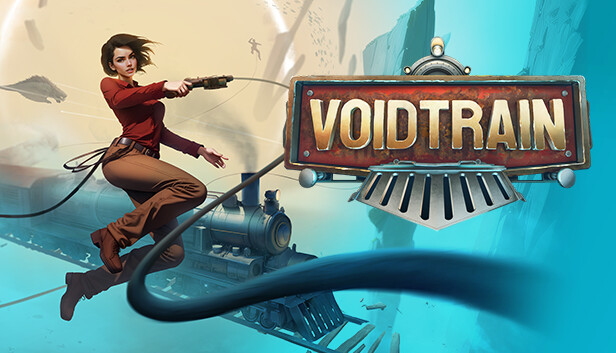
From the developers who brought us a chicken we’ll never forget, here comes a surreal mix of Raft, Breathedge, and Unrailed. Welcome to Void Train—where things float, space makes no sense, and your best friend might just be a gun-toting pet blob. This guide is designed as a play-along, giving you everything you need to get comfortable with the mechanics, avoid common missteps, and set yourself up for long-term success. Some content may shift with updates, so always double-check the latest changes or corrections.
Starting Out – Trolley Troubles and Early Game Priorities
You begin the game on a modest trolley floating through the void. Don’t worry about charging it yet—stops are frequent, and you’ll have time to gather everything. Use this phase to collect resources liberally. While everything has its use eventually, early on you’ll find that chemicals are the least critical. Still, don’t discard them—turn them into food to fuel your research pet.
Progression is tied directly to research, and while there are more unlocks than resources, it’s important to build every main facility eventually. Don’t waste time on decor or optional tiers this early. Space will be tight, but you can relocate structures later without demolition. If you do dismantle something, you’ll only get half the materials back. Thankfully, containers can be moved without losing contents.
Crafting, Containers, and Lifehacks
Container II costs a bolt—but you can sidestep this. Build Container I, then upgrade it to Container II. This lets you avoid crafting bolts and instead use metal bars directly. It’s a small hack that saves a lot of refining time.
Eventually you’ll unlock lootcatchers—floating blubberballs that collect materials for you in exchange for water. They do have a cooldown, so while they’re excellent helpers, you’ll still need to assist occasionally. Once floors are available, they can break, and you’ll need to replace them. But damage is minimal early on. A hammer repair restores 50% durability per swing, and a full floor costs just one wood to replace. Don’t panic when the repair alert shows—just keep hammering away.
Managing Health, Armor, and Enemies
You can heal using food and drink (which speeds up regen), or just respawn—if death penalties are off. Bandages are another reliable method. Armor plates can reduce incoming damage, but they’re consumable and require a leather suit. Their impact isn’t huge, so don’t over-prioritize them.
Combat ramps up as you explore more depots. While your train is safe when docked, you can choose to take on fights for loot. Use these moments to do all your building and maintenance safely. Once gate 4 unlocks, avoid multitasking while moving—save crafting and reorganization for depot stops.
Layout Logic and Inventory Zen
Build your layout with purpose. For example, reserve containers for specific types—iron on top, copper below, personal gear in separate boxes. Use the extra +2 slot upgrades to hold overflow items until you craft dedicated containers. Try to maintain clarity so you don’t lose track of your gear. That said, expect to move everything again once you install a steam engine.
Speaking of steam engines—coal lumps must be processed into chunks using a recycler. Then, use your workbench to convert those into steam batteries. Steam power isn’t game-breaking early on, but the engine can provide cover during combat.
Guns, Weapon Durability, and Modularity
You won’t be able to craft guns from raw resources; weapon parts must be found. Until then, you’re stuck with the revolver, which is fairly weak. There are only two quality tiers for it, and most revolver modules won’t drastically improve it. The best upgrades are ones that increase accuracy and range.
When better weapons become available, check their modules. Anything gray can be scrapped immediately. You can disassemble guns at the armory to harvest useful parts. Always repair your weapons—durability loss causes significant drop in damage. Don’t waste time fighting enemies with broken gear.
Rather than getting bogged down in optimizing stats, focus on comfort: find a gun you enjoy, and swap in higher-tier parts only if they don’t dramatically alter performance.
Amber, Rofleemos, and Automated Helpers
Once you encounter amber at depots, pick it up to unlock your first pet—rogleemos. These adorable companions can provide perks when assigned to workstations, such as research desks or turrets. But to unlock their full potential, you’ll need to keep them happy—feed them mushrooms and build decor near their sleeping areas.
Pets can also reload your weapons, assist in gathering, or man automated stations later in the game. After feeding one, you’ll unlock new research—like train walls—which gets quietly added to your research desk. These additions are subtle, so check previous research pages when new unlocks appear.
Depot Secrets, Zinc, and Special Unlocks
Some research bubbles are marked dark red (brown)—these items can only be crafted at depots. Don’t waste time searching for them in your standard crafting menus. As for zinc, feed it to your research desk when it appears—you’ll receive more than you’ll ever need.
When prompted with “Find a place to open the chest,” head to the anvil inside the enemy base at the depot. That’s the spot the game’s hint is referring to.
Full Speed Ahead and Endgame Prep
After a while, steam engines and lootcatchers allow you to move through the void at full speed while collecting everything automatically. Once you unlock the gatherer’s station, your rofleemo can assist too. At this point, you’re functionally self-sufficient.
Remember: weapon cores only appear in secret chests found on witch islands and in arena challenges. Always collect a new rofleemo from each depot—they’re key to automating your entire train ecosystem.
Final Thoughts
Void Train blends casual survival with modular base-building and light automation. Though the early game has its fair share of resource stress and cramped conditions, it quickly expands into a smoother experience. Use depot downtime wisely, plan your layouts efficiently, and don’t get too attached to any setup—it’s all temporary.
With the right approach and a bit of foresight, you’ll cruise through the void with ease. Keep your guns repaired, your rofleemos fed, and your containers labeled—and you’ll be well on your way to mastering Void Train.



 My Gaming Tutorials
Leave a comment