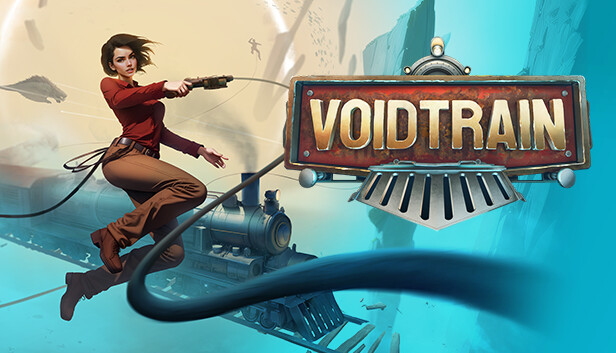
Welcome aboard the Void Train, a surreal and often chaotic ride through the void. Whether you’re just stepping onto your train for the first time or already a few phases deep, this guide will walk you through how to survive and thrive during your first 9–10 phases. These early hours can be deceptively calm, but there are many systems and mechanics to wrap your head around—so here are the obvious but essential tips you need to know.
1. Resource Prioritization – Wood and Scrap Iron First
Your initial gameplay loop will revolve heavily around collecting materials while floating endlessly. Wood and scrap iron are your core resources early on—used to build workbenches, refine components, and expand your train. Organics and chemicals show up later in crafting recipes, but don’t distract yourself hoarding them too early. Focus on gathering the bulk materials that actually fuel your progression.
Also, be mindful of how many resources you burn crafting early storage—chests are limited to holding three items and cost two scrap iron. Given how vital that metal is, don’t over-invest in early storage.
2. Don’t Sweat Food and Water (At First)
In the early game, survival mechanics like hunger and thirst are very forgiving. Death isn’t penalized harshly—you’ll just respawn on your platform. So, while you should eat or drink to stay topped off when food shows up, don’t panic or hoard ice and organics. Eventually, you’ll unlock a kitchen to cook and process these properly. Until then, use your limited space for more essential materials.
That said, it’s worth hoping the devs introduce a hardcore mode later where death matters more—because currently, survival feels optional.
3. The Fat Problem – Why You Should Hunt Wildlife
One of the most vital early materials is fat—used to create grease, which is critical for crafting bearings and upgrading your train. You can collect it from small leeches and, sometimes, the larger sharks or flying creatures. However, fat is a rare drop, and these creatures are fast and annoying to hit. Focus your shots when they’re close to your train so you can retrieve drops before they disappear.
Do not burn fat as fuel! While technically usable in your smelter, it’s far too valuable. Save it strictly for crafting grease.
4. Placement Penalties and Train Expansion
Your train won’t look like much for the first several phases. Early workbenches and crafting stations are placed directly on your one platform—but beware: dismantling them refunds only half the materials. Plan ahead, and unlock your second platform as soon as you can. Use the back platform for benches, freeing up the front for your future engine.
Train upgrades can only be done at Depots, and you’ll need significant resources to complete each expansion—wood, bearings (which need grease), bolts, springs, and ingots. Prepare those before reaching a Depot, or you’ll be stuck grinding for several more phases until you encounter another one.
5. Crafting Bench Priorities and Smelting Strategy
As you progress, you’ll unlock new crafting stations like the laboratory. But in the early game, focus on the workbench and smelter. Aim for a rough 4:1 ratio of iron to copper ingots—most recipes need more iron.
If you’re running out of storage, refine your raw resources into components like bolts, springs, or copper wire. That’ll save space and prep you for future upgrades.
Also note that research costs are steep and crafting those newly unlocked items requires gathering many of the same materials again. It’s a real grind—so plan ahead.
6. Inventory and Storage Tips
You can drop items directly on the platform, and they’ll stay there… until you pass through a Gate. Once that happens, anything not in storage will vanish. Storage crates don’t stack, and their small capacity makes early inventory management a pain. Again, refining and crafting materials is the best way to handle this until your train gets bigger.
7. Depots – More Than Just Pit Stops
Depots act as milestones—story progression, upgrade stations, and occasional loot sources. However, not all Depots are equal. Some offer terminals and guards, while others are sparse. Loot containers don’t always have items, so don’t rely on Depots alone for gear.
You’ll also find guards that are easy to defeat, especially with headshots doing 50 damage. They may drop vending machine tokens, which you can use for extra loot—but these machines aren’t always reliable.
Watch for prophecy stones—creepy fortune teller machines that give buffs, like making shark encounters more frequent for more fat farming. They’re rare but valuable.
8. The Reality of Movement and Islands
Eventually, you’ll unlock throwing rings, allowing you to traverse gaps and reach islands. But early on, don’t waste too many resources trying to land on them—most have no resources and are just there for visual flavor. Only once the story guides you to follow fireflies and reach TR islands do they become relevant.
If your ring is red, it’s out of range. Yellow means there’s nothing to grapple. Green is the only valid anchor signal. Always aim for green!
9. Pets – What They Do and How to Use Them
At some Depots, you’ll find pets trapped in cages. Once freed, they can live on your train’s perch and eventually start puking out random resources when fed mushrooms. You’ll find mushrooms in advanced Depots. Only one perch is allowed every couple of platforms, so plan your space if you want a train full of these helpful critters.
You can swap pets but can’t return to an old Depot after leaving, so say your goodbyes when it’s time to move on.
10. Final Thoughts and What’s Next
Void Train starts slow, and its core gameplay is a blend of relaxing exploration and annoying inventory Tetris. Up through phase 10, your focus should be collecting scrap and wood, unlocking new platforms, prepping upgrade materials, and taming the early tech tree. Once you hit phase 9 or 10, you’ll start accessing crop plots, labs, and better weapons. That’s when the real fun—and grind—ramps up.
Hopefully, these tips help you avoid common mistakes and make the most of your time chugging through the void. Stay tuned for an advanced tips guide once we cross the threshold into the midgame. And remember: don’t waste fat, plan your train layout, and always shoot creatures close enough to grab their loot.
See you in the void, engineers.



 My Gaming Tutorials
Leave a comment