Introduction
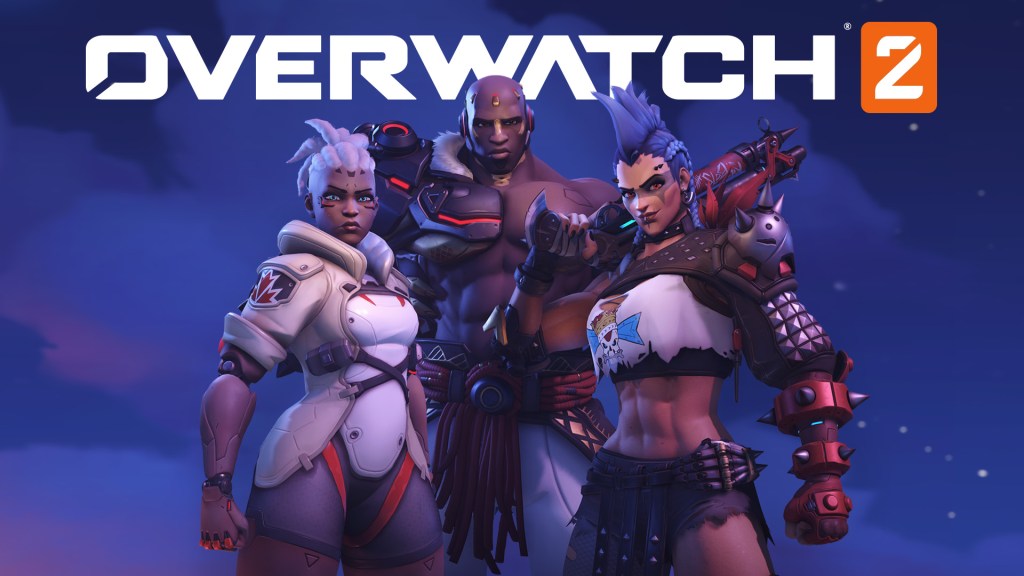
Welcome to Overwatch 2, Blizzard Entertainment’s fast-paced, team-based shooter. With new heroes, game modes, and a refreshed progression system, Overwatch 2 offers a dynamic experience for both newcomers and veterans of the original game. This guide covers the essentials to help you get started and thrive in your first matches.
Game Modes Explained
Overwatch 2 features several game modes, each offering unique ways to play:
1. Unranked and Competitive
- Core 5v5 team modes.
- In Unranked, you play casually; Competitive includes a ranking system.
- Choose a role (Tank, Damage, Support) or go Open Queue to play any hero.
2. Arcade Modes
- Fun, non-standard modes like Mystery Heroes, No Limits, and Free-for-All Deathmatch.
3. Custom Games & Training
- Create private matches or explore workshop-created game modes.
- Great for practicing, testing new heroes, or playing casually with friends.
4. Core Match Types
- Control: Capture and hold a central objective.
- Escort: Move a payload to the end of the map.
- Hybrid: Capture a point, then escort a payload.
- Push: Compete to escort a robot into enemy territory.
Training and Practice
1. Tutorial
- Learn basic controls, hero mechanics, and objectives.
2. Practice Range
- Try out different heroes and abilities in a safe environment.
3. AI Matches
- Face off against bots at various difficulties alongside human teammates.
- Ideal for warming up or learning the ropes.
Hero Selection and Switching
Overwatch 2 lets you change heroes mid-match—an essential part of the game’s strategy.
- Swap in the Spawn Room
- Adjust your pick to counter enemies or support your team.
- Using your ultimate will reset when you swap heroes.
- Role Restrictions
- In Role Queue, you can only switch between heroes within your assigned role.
Battle Pass and Challenges
Loot boxes are gone. In their place is a seasonal Battle Pass system.
Battle Pass Features
- 80 tiers of rewards: skins, emotes, sprays, weapon charms, nameplates, and more.
- Purchase with in-game currency or the Watchpoint Pack.
How to Level Up Faster
- Complete daily, weekly, seasonal, competitive, and lifetime challenges.
- Battle Pass owners receive a 20% XP boost.
Understanding Roles and Team Composition
Success in Overwatch 2 depends on synergy between these three roles:
1. Tank
- Frontline disruptors who create space and absorb damage.
- Examples: Reinhardt, D.Va, Ramattra.
2. Damage (DPS)
- Deal consistent damage and eliminate threats.
- Examples: Soldier: 76, Tracer, Genji.
3. Support
- Heal, boost, and protect teammates.
- Examples: Mercy, Lucio, Kiriko.
Competitive Play
Ready for a challenge? Competitive Mode unlocks after 50 Quick Play wins.
Ranks
- Tiers range from Bronze to Top 500, with five divisions per rank.
- You have separate ratings for each role: Tank, Damage, and Support.
Match Format
- Competitive games are longer, feature side-switching, and are more coordinated than Quick Play.
Beginner Tips for Success
- Stick With Your Team
- Don’t wander off—Overwatch is built on teamwork.
- Switch Heroes When Needed
- If something’s not working, adapt and swap.
- Time Your Ultimates
- Use ultimates to secure key kills or objectives—not just for flashy moments.
- Play Your Role
- Know your responsibilities: protect, eliminate, or heal.
- Experiment With Heroes
- Try a wide range to discover who fits your playstyle.
- Communicate
- Use voice or text chat to coordinate pushes and call out threats.
Conclusion
Overwatch 2 blends fast-paced action with deep strategy. Whether you’re escorting payloads or dominating Control points, the key to improving is teamwork, adaptability, and learning from each match. Don’t stress over losses—each game is a chance to grow.
Have fun, play smart, and see you on the battlefield. Want more tips? Check out guides from TheGamer.com or in-game hero tutorials to sharpen your edge!



 My Gaming Tutorials
Leave a comment