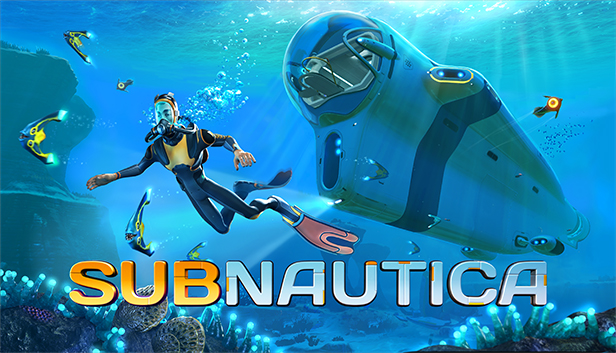
If you’re looking for a flexible alternative to a land-based habitat in Subnautica, the Cyclops can be transformed into a fully functional, mobile base. With the right setup, you can explore the ocean depths with all your essential survival tools on board. This guide covers everything you need to optimize your Cyclops for long-term use.
1. Maximize Storage Space
Storage is one of the Cyclops’ biggest limitations—but it’s easily fixable. The built-in lockers are limited, so installing additional Wall Lockers is essential.
- Aim for around 30–31 lockers for balanced capacity and space.
- If you’re constantly running out of space, reevaluate your resource hoarding—carrying only what you need keeps your mobile base efficient and adaptable.
2. Seamoth vs. Prawn Suit: Best Docking Vehicle
While the Cyclops supports both the Seamoth and the Prawn Suit, the Seamoth is generally the better fit for a mobile setup.
Why choose the Seamoth:
- It’s faster and more maneuverable, perfect for quick scouting or escape.
- If the Cyclops is attacked (e.g. by a Leviathan), escaping in a Seamoth is much easier and safer.
- The Seamoth allows you to navigate tight spaces the Cyclops can’t enter, offering better mobility overall.
3. Managing Power and Energy
Power management is crucial for sustained use of the Cyclops.
- Install Power Cell Chargers along the interior walls.
- Keep at least 6 spare power cells and cycle them regularly.
- Avoid excessive simultaneous power usage—e.g., Silent Running + sonar + fabricator—unless absolutely necessary.
Optional: Carry extra ion power cells later in the game for longer operation without recharging.
4. Core Base Amenities and Crafting Stations
Your Cyclops should function like a mini home and workshop. Recommended installations:
- Fabricator – For crafting essential tools, food, and supplies.
- Modification Station – Upgrade your gear on the go.
- Medical Kit Fabricators (ideally 3–5 units) – Since Creepvine is inaccessible for fiber mesh while mobile.
- Dedicated Locker for power cells, upgrades, and spare mods.
- Radio – Receive messages for story and exploration updates.
- Vending Machine & Trash Can – For convenience and waste control.
5. Food & Water Supply
Without access to a full farming base, self-sufficiency is vital.
- Indoor Planters with Marble Melons and Chinese Potatoes provide renewable food.
- A small Aquarium adds a decorative touch (avoid using for food—focus on aesthetics).
- Coffee Machine – Provides small hydration boosts and a cozy atmosphere.
Pro tip: Prioritize melons for their hydration and food balance.
6. Sleeping and Navigation Setup
Make the Cyclops feel like home:
- Add a bed to pass time and skip night cycles (helpful for traveling safely).
- Decorate with interior plants and posters for immersion.
- Use The Helm at the front to pilot your Cyclops while monitoring your surroundings via sonar and cameras.
7. Dealing with External Threats
The Cyclops is large and attracts attention—especially from hostile fauna like Reaper Leviathans or Ghost Leviathans.
Tips for dealing with danger:
- Use Silent Running mode to minimize detection.
- Power down unnecessary systems when hiding.
- Always be ready to evacuate with the Seamoth if things go south.
- Keep in mind that creatures sometimes attack nearby fish—not necessarily your vessel.
Final Thoughts
The Cyclops can be more than just a vehicle—it can be your floating home. With proper setup and smart planning, it serves as a highly efficient survival base that lets you explore freely without being tethered to a static location.
If you found this guide helpful, share it with fellow divers, and check out our other Subnautica tips for surviving the alien depths!



 My Gaming Tutorials
Leave a comment