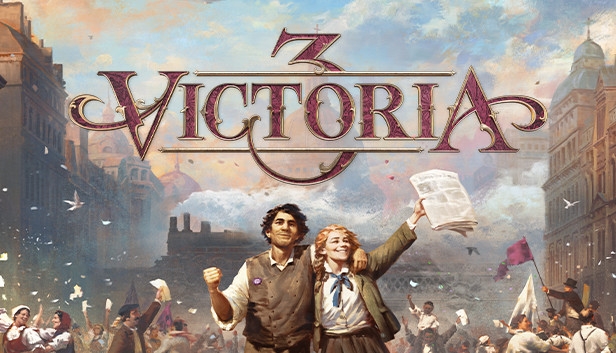
Victoria 3 is Paradox Interactive’s latest foray into grand strategy, offering an intricately detailed simulation of economics, politics, diplomacy, and warfare. Whether you’re completely new or looking to refine your approach, this guide will walk you through the fundamentals while offering insights and supplementary tips to help you master your campaign. Our aim is to provide a rich, multifaceted exploration of the game’s core systems while keeping the authentic voice of the original guide intact.
Getting Started: Launching Your Campaign
When you first boot up Victoria 3, the initial steps are straightforward but crucial:
- Starting a New Game:
Begin by clicking New Game. Before you dive in, take a moment to select the “Learn the Game” option. This built-in tutorial is an invaluable resource for familiarizing yourself with the game’s complex systems. - Choosing Your Game Mode:
Victoria 3 offers several game modes—Economic Dominance, Hegemony, Egalitarian Society, and Sandbox. Each mode provides unique journal entries and quests that guide you toward specific long-term goals. Although the underlying gameplay remains consistent across these choices, selecting a themed mode can enrich your narrative and challenge. - Picking Your Nation:
Once you’ve chosen your preferred mode, select a country to play. This decision sets the stage for your unique experience in the sprawling economic and political simulator that is Victoria 3.
Diving into the Market: The Heart of the Economy
One of the most critical components of Victoria 3 is its market system—a dynamic, interconnected network that mirrors real-world supply and demand:
- Market Overview:
Located in the left-hand menu, the market screen is where you’ll monitor and manage the flow of goods. Whether you’re dealing with a customs union, puppet state, or protectorate, all nations in your sphere of influence share in these trade networks. - Categories of Goods:
The market is divided into four key categories:- Staple Goods: Essential for survival (e.g., food, wood, clothing).
- Industrial Goods: Raw materials used for manufacturing more complex items.
- Luxury Goods: Non-essential items that enhance the quality of life (e.g., fine furniture, alcohol, premium meat).
- Military Goods: Necessary for equipping and maintaining your armed forces.
- Supply, Demand, and Trade Routes:
The game simulates a realistic economy: buy orders stem from industries, pop consumption, or foreign exports, while sell orders come from production centers and imports. Adjusting trade routes is a key strategy. For instance, establishing a new import route for groceries can lower their price by boosting buy orders, whereas setting up export routes for surplus goods can help raise prices and improve profits. - Managing Input Shortages:
Always be vigilant for shortages in key inputs. If an industry—say, munitions—doesn’t receive enough of its base good, production will decline, creating a ripple effect throughout your economy. This mechanism emphasizes the importance of balancing supply and demand across all sectors.
State Management and Industrial Development
Your nation in Victoria 3 is divided into states, each with its own set of resources and industries. Here’s how to get a handle on managing them:
Understanding State Access
- Market Integration:
Every state has an “access” percentage indicating its integration into the national market. A value below 100% can indicate infrastructural issues or even blockades on overseas trade routes. - Building Inspection:
The Buildings tab provides a deep dive into the industries within a state. For example, when examining a food industry facility, you’ll see data on productivity, wages, employment levels, and cash reserves. These figures are crucial for understanding the profitability and efficiency of your production centers.
Expanding Production
- Horizontal vs. Vertical Growth:
To boost production, you can either build more factories (horizontal expansion) or upgrade existing production methods (vertical improvement). Advanced production methods often require additional resources—such as higher technology levels or revised laws—but can lead to significant output increases. - Construction Dynamics:
Every new building requires construction points to be completed. These points are provided by your construction sectors and can be enhanced by using various in-game lenses to find the most efficient projects. Just be sure to factor in local employment; building without available workers may lead to underutilized facilities or negative ripple effects on other industries.
People, Politics, and Populations
At the core of your nation’s economy and society are the pops—each representing an individual with distinct roles and needs.
The Life of a Pop
- Economic Role:
Pops earn wages and, if they belong to the ownership class, receive dividends from profitable industries. Their income is balanced against expenses such as taxes (consumption, per capita, or income taxes), and the overall standard of living plays a vital role in determining their loyalty and political tendencies. - Social Strata:
Pops are organized into three main strata:- Lower Strata: Peasants, servicemen, and laborers.
- Middle Strata: Engineers, shopkeepers, bureaucrats, and academics.
- Upper Strata: Aristocrats and capitalists, who enjoy higher living standards and wield greater economic influence.
Navigating the Political Landscape
- Government and Interest Groups:
Use the Politics screen to gain an overview of your nation’s power structure. Reforming the government is a delicate balancing act—moving interest groups into power can alter legitimacy, change law enactment speeds, and shift the overall political balance. Legitimacy is key; if it drops too low, passing new laws becomes nearly impossible. - Laws and Institutions:
Laws are divided into categories such as power structure, economy, and human rights. Changing laws requires careful negotiation with interest groups, each with its own ideological leanings. Successful reforms can unlock new institutions and improve overall governance, but the process is gradual and requires strong diplomatic maneuvering.
Diplomacy, Warfare, and Global Influence
Beyond domestic management, Victoria 3 challenges you to extend your influence on the international stage.
Diplomatic Plays and Interests
- Declaring Interest:
To get involved in a region, you must first declare an interest. This process takes time to become active, after which you can engage in a variety of diplomatic actions. - Phases of Diplomacy:
Diplomatic plays unfold in three distinct phases:- Opening Moves: Initial declarations and minor maneuvers.
- Diplomatic Maneuvers: Here, you set your primary war goal, add additional objectives, and sway other nations by offering war goals or obligations.
- Conflict and Resolution: If neither side concedes, war becomes inevitable. It’s crucial to mobilize your generals and troops early—remember, quality often trumps quantity on the battlefield.
Warfare Strategies
- Preparing for Battle:
While you cannot control the minutiae of individual battles (these are resolved automatically based on the quality of your forces and strategic positioning), it’s essential to ensure that your military is well-trained and technologically advanced. - Post-War Diplomacy:
Once conflict is underway, your focus shifts to peace deals. Proposing combined peace deals can help end wars swiftly—especially if any nation’s war support plunges below critical thresholds.
Technology and Economic Growth
Advancement in Victoria 3 isn’t limited to diplomacy and warfare; technological progress is a driving force in enhancing your nation’s capabilities.
The Three Technology Trees
- Production: Improves the efficiency and output of your industrial buildings.
- Military: Advances the production methods for your armies and navies.
- Society: Influences the spectrum of laws you can enact and reforms you can implement.
Research and Innovation
- Active Research:
Choose a specific technological focus (like Field Works) and watch your weekly innovation rate increase as your universities and research centers contribute to progress. - Technology Spread:
A literate population enhances technology spread, ensuring that innovations from other nations seep into your own, broadening your technological portfolio even if you aren’t directly researching them.
Additional Tools and Metrics
Victoria 3 is as much about managing abstract metrics as it is about direct actions:
- Journal and Decisions Tabs:
The Journal is full of quests and events that can trigger bonuses and offer alternative strategies. Similarly, the Decisions tab lets you embark on expeditions, infrastructure projects like building the Panama Canal, or even surveying land for ambitious projects like skyscrapers. - Top-Bar Indicators:
Keep a close eye on key metrics:- Bureaucracy: Generated by government administration and states’ infrastructure.
- Authority and Influence: Affected by your laws, political strength, and overall power ranking.
- Financial Health: Taxes, tariffs, and diplomatic packs raise money, which is then allocated to government and military spending, or even construction projects.
- GDP and Literacy: Overall indicators of your nation’s economic and technological health, influencing everything from production output to technological spread.
Final Thoughts and Strategic Insights
Victoria 3 is a game of balance—a constant juggling act between economic prosperity, political stability, military might, and technological progress. Here are some parting tips to help you thrive:
- Balance Trade:
Exploit high prices abroad by exporting surplus goods, while importing to lower domestic prices when necessary. - Invest in Infrastructure:
Ensure every state maintains 100% market access by upgrading infrastructure and countering blockades. - Monitor Populations:
A healthy, well-managed populace is the backbone of your economy. Keep an eye on living standards, employment, and political leanings. - Diplomacy First:
Always prepare diplomatically before engaging in conflict. The right war goals and interest group management can mean the difference between a swift victory and a protracted war. - Embrace Technology:
Never fall behind on technological advancements—innovation not only boosts your industries but also ensures your military and society keep pace with global standards.
By combining strategic planning with an agile approach to the multifaceted systems of Victoria 3, you’ll be well on your way to establishing a dominant and thriving nation. Experiment, learn from your campaigns, and adjust your strategy as you gain a deeper understanding of the game’s inner workings.
Happy governing, and may your nation rise to greatness!



 My Gaming Tutorials
Leave a comment