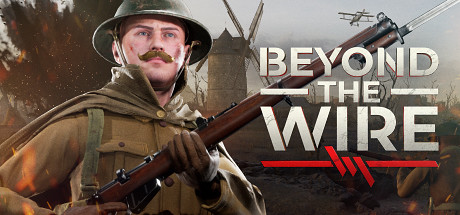
Welcome, soldier, to your comprehensive primer on Beyond the Wire! Whether you’re firing up the game for the first time or are a battle-hardened veteran looking for some fresh insights, this guide is designed to walk you through every essential aspect of gameplay. Although the game remains in early access—meaning that some details may change as development continues—these fundamentals and pro tips will set you on the right path to success on the Western Front.
Getting Started: Embracing the Battlefield
Congratulations on purchasing Beyond the Wire! As you boot up the game for the first time, you’re entering a world filled with potential—where tanks, planes, new maps, and diverse factions will redefine your battlefield experience. Even if you’re already familiar with first-person shooters, know that Beyond the Wire brings its own unique twist with intuitive controls and a tactical depth that rewards careful play.
Before you dive into the server browser, take a moment to familiarize yourself with the basics. If you’ve never used a dedicated shooting range before, now’s the perfect time to experiment. Choose your faction, hit “recruit,” and spawn into the training area. The learning curve is gentle enough for newcomers, and even seasoned players will find value in revisiting the fundamentals.
Mastering Movement and Navigation
One of the first things you need to get comfortable with is movement. The control scheme is designed with classic FPS mechanics in mind, yet Beyond the Wire offers a few nuances that demand your attention:
- Basic Movement: Use the W, A, S, D keys to navigate the battlefield. Look around with your mouse, and remember that every movement counts.
- Stance and Mobility:
- Prone: Press Z to go prone—ideal for taking cover.
- Crouch: Use Ctrl to crouch when you need to lower your profile.
- Jump/Vault: Hit Spacebar to jump or vault over obstacles. Note that vaulting isn’t instantaneous; you’re exposed while climbing, so time your moves carefully.
- Sprinting and Stamina: Holding Shift while moving forward lets you sprint, but keep an eye on your stamina bar. Sprinting depletes stamina quickly, and running out means increased weapon sway and vulnerability to enemy fire. A handy trick is that equipping your melee weapon lets you sprint faster—a tip that’s saved many a firefight on the front lines.
Modern pro guides also stress the importance of balancing mobility with caution. In today’s meta, quick decision-making and stamina management are crucial, especially when you’re exposed on open ground.
Shooting, Aiming, and Reloading: The Art of Engagement
Combat in Beyond the Wire isn’t an arcade run-and-gun affair; it demands precision, timing, and an understanding of your weapon’s mechanics:
- Firing Your Weapon: Left-click to shoot. For bolt-action rifles, remember that you must manually bolt after each shot. This extra step might seem cumbersome at first, but it rewards careful, deliberate play.
- Aiming Down Sights: Most engagements will require you to take time aiming. Right-click to zoom in, and use Shift to hold your breath—steadying your aim while slowly draining your stamina. Avoid holding your breath too long; once your stamina is exhausted, your weapon’s sway will increase dramatically.
- Reloading: When your ammo runs low, press R to reload. Familiarize yourself with each weapon’s reload timing, as staying caught in the open while reloading can cost you dearly.
- Practice Makes Perfect: Modern tutorials suggest a “crouch, shift, fire, release, bolt” rhythm to maintain accuracy. Spend time in the shooting range to experiment with different weapons and get a feel for each one’s unique handling characteristics.
By practicing these fundamentals, you’ll learn to adapt to the game’s realistic ballistics and weapon handling, a skill that separates a true soldier from a mere shooter.
Melee Combat: Direction, Blocking, and Bayonet Mastery
While firearms are your primary tool on the battlefield, melee combat plays a crucial role in close-quarters encounters. Beyond the Wire employs a directional melee system reminiscent of games like Chivalry and Mount & Blade, so here’s what you need to know:
- Directional Attacks: Your melee swings vary depending on your view direction. Swing left when you’re looking left, and swing upward when looking down. This intuitive system takes a bit of practice but becomes second nature once you get the hang of it.
- Blocking: Use the right mouse button to block incoming melee attacks. Keep in mind that blocking consumes stamina, so you can’t hold a block indefinitely. Certain weapons, like the French nail knife and the Harlem fighter’s bolo knife, are exceptions—they cannot block melee attacks.
- Bayonet Tactics: Many rifles can equip a bayonet, which gives you a significant reach advantage in melee fights. When charging, hold your left mouse button along with your sprint and forward keys. In bayonet clashes, timing is everything—a well-executed charge can win you the encounter before the enemy even gets close.
- Supplemental Tips: Practice is key. Spend time in controlled environments, such as the shooting range, to get comfortable with both offensive and defensive melee maneuvers. Don’t be afraid to experiment—even missteps are valuable lessons on the path to mastery.
Grenades and Special Equipment: Strategic Tools for Every Soldier
Beyond just shooting and charging, Beyond the Wire equips you with a variety of tools to control the battlefield. Here’s how to make the most of your throwable and special items:
- Grenade Types and Throws:
- Fragmentation Grenades: Ideal for clearing out clusters of enemies with shrapnel.
- Smoke Grenades: Perfect for covering advances or providing cover while reviving a teammate.
- Tear Gas Grenades: A newer addition, these cause vision blur and confusion, giving you a tactical edge.
- Throwing Mechanics:
- Overhand vs. Underhand: Use the left mouse button for an overhand throw (great for longer distances) and the right mouse button for an underhand throw (effective in close-range engagements).
- Aiming Tips: Surprisingly, you can actually aim your grenade throws—use your thumb for overhand throws and your pinky for underhand. Spend some time practicing on the range to get your accuracy dialed in.
- Special Equipment:
- Gas Masks: Essential when facing chlorine gas or tear gas attacks, equip your gas mask using the G key. Note that while it protects you, it disables the ability to aim down sights, so prepare accordingly.
- Other Tactical Gear: Depending on your role, you might have access to binoculars, medic packs, ammo bags, sandbags, duck boards, and more. These tools not only enhance your combat effectiveness but also contribute to your team’s overall success.
Modern players and competitive communities emphasize the importance of mastering these tools—using them effectively can turn the tide of battle in even the most challenging encounters.
Game Modes and Strategic Objectives
Beyond the Wire offers a variety of game modes, each with unique objectives and strategic nuances. Here’s a breakdown of the three primary modes:
- Front Lines:
- Objective: Capture points scattered across the map. The number of points depends on the server’s population.
- Victory Points: Once your team controls a majority of these points, you begin accumulating victory points. The rate increases with more capture points but caps at three points per second.
- Strategy: Focus on teamwork and coordinate with your section to secure and defend these points, as a single point can be the difference between victory and defeat.
- Assault:
- Objective: One team attacks while the other defends one or two key capture zones.
- Timings: Attackers have a set time (typically 15 minutes per point) to make their move, with a brief staging period in between. If they fall short, an extra five minutes of overtime may be granted.
- Key Tactics: Effective communication and coordinated assaults are paramount. Use cover and smart positioning to overcome the defenders.
- Firefight:
- Objective: A smaller scale, close-quarters battle where the entire match revolves around capturing three points.
- Approach: With a 20-minute timer, every second counts. Stay alert, rely on quick reflexes, and prioritize objectives over individual kills.
Across all modes, teamwork is the cornerstone of success. Modern guides urge players to focus on playing the objective rather than chasing kills—a philosophy that elevates your contribution to the team.
Sections and Squad Dynamics: The Power of Teamwork
In Beyond the Wire, you’re never truly alone on the battlefield. Success hinges on your ability to work cohesively with your section—a unit of players often composed of strangers united by a common goal. Here’s what you need to know:
- Joining a Section:
- Upon entering a match, you’ll be auto-assigned to a team. Once in the section screen, wait for an experienced section leader to create a section rather than starting your own if you’re a new player.
- Tip: If you’re struggling with a section lead who isn’t effectively setting up spawn points or guiding the team, don’t hesitate to switch sections. A good leader can make a world of difference.
- Spawn Points and Respawn Mechanics:
- Spawn Points: These are marked by large faction flags. A section lead will usually place these strategically to ensure you’re not too far from the action.
- Respawn: Every 30 seconds, all players respawn simultaneously. However, if you die far from your section lead, you may face a penalty—waiting up to 10 extra seconds before rejoining the fray. Stay close and communicate with your team to minimize downtime.
- Map Awareness and Communication:
- Compass and Map: Your on-screen compass (with 0° as north) and the M key for the map are vital tools. Use these to gauge the battlefield, track enemy movements, and plan your advances.
- Voice Chat: A good microphone is indispensable. Whether you’re using local (proximity) chat with the Vkey or section chat with the B key, effective communication can turn chaotic battles into coordinated victories.
- Callouts: Use clear directional and landmark-based callouts. For example, “Enemy at 240 near the two-story building” or “Fuel gun spotted on the hill.” This clarity helps your team respond quickly and efficiently.
Modern community standards in competitive shooters emphasize that “knowledge is power” on the battlefield. Never underestimate the value of clear, concise communication.
TL;DR: Essential Tips and Tricks
Before you charge into battle, here’s a quick-reference list of key points that every new player should keep in mind:
- Movement & Stamina:
- Sprint using Shift, but monitor your stamina.
- Vaulting exposes you—move with caution.
- Equipping your melee weapon can boost sprint speed.
- Combat Mechanics:
- Use left-click to shoot; manually bolt your rifles when needed.
- Hold Shift while aiming down sights to steady your aim, but be wary of draining your stamina.
- Practice the “crouch, shift, fire, release, bolt” technique for improved accuracy.
- Melee and Bayonet:
- Master the directional melee system.
- Block with right-click (except with specific melee weapons).
- Use bayonets in close combat for a reach advantage.
- Grenades & Special Equipment:
- Choose your grenade type based on the situation: fragmentation for spread, smoke for cover, and tear gas for disorienting enemies.
- Practice overhand and underhand throws to increase your accuracy.
- Always equip your gas mask when faced with chemical attacks.
- Team Dynamics:
- Stick with your section and communicate effectively.
- Use the map and compass for situational awareness.
- Follow your section leader’s callouts and spawn strategies.
- General Advice:
- Don’t be afraid to admit you’re new—most teammates are willing to help.
- Experiment on the shooting range and learn from every encounter.
- Focus on objectives over personal glory; the mission is what counts.
Final Thoughts
Beyond the Wire offers a rich, immersive experience that rewards patience, practice, and effective teamwork. From mastering the basic movement controls and weapon mechanics to coordinating with your section and communicating under fire, every aspect of the game demands your attention. Remember, every death is a lesson; use each encounter to improve your strategy and tactics.
This guide is a living document—a starting point on your journey through the evolving landscape of Beyond the Wire. Keep an eye on community updates, new strategies, and evolving game mechanics as the developers continue to refine the experience. Whether you’re reviving a downed teammate, charging with your bayonet, or setting up a perfect defensive position, every moment on the Western Front is an opportunity to prove your mettle.
Good luck out there, soldier—stay sharp, communicate clearly, and above all, have fun!



 My Gaming Tutorials
Leave a comment