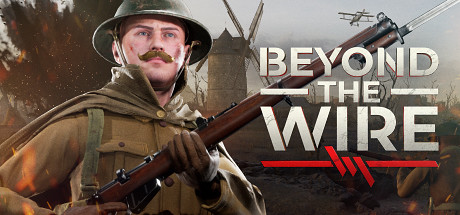
Hey everyone, Viper here. Today, we’re diving deep into the artillery section of Beyond the Wire—a role that’s all about delivering massive fire support and turning the tide of battle with explosive impact. Whether you’re a seasoned veteran or just starting out, this guide will equip you with the latest tips, tricks, and strategies to maximize your effectiveness and make those field guns count.
1. Understanding the Artillery Section
Artillery, also known as field guns, is a unique role on the battlefield. There can only be one artillery section per team, which means every decision you make is critical. This section is composed of one section leader and two gunners. While solo play is possible, teamwork elevates the role, allowing you to cover more ground and provide more robust fire support.
Before diving into deployment and tactics, make sure you’re familiar with the foundational concepts—if you haven’t already, check out the section leader guide for additional insights that complement this artillery overview.
2. Deploying Your Field Guns
The first step to effective artillery play is mastering the deployment mechanics. Here’s how you set up your field guns:
- Using the Radial Menu:
As the section leader, press and hold the T key to bring up your radial menu. Locate the central circle displaying your faction-specific gun name, then click to reveal the build option. A blue indicator means you’re clear to deploy; red means you’re not. Once you’ve found a suitable spot, press your interaction key to begin construction. Keep in mind that field guns take about 25 seconds to build, so plan your placement carefully—especially under enemy fire. - Building and Destroying Emplacements:
You have two field guns at your disposal, but placement isn’t permanent. Should your emplacement fall into a compromised position, you can destroy it by opening the radial menu and selecting “destroy oldest deployable.” Note that if you want to move a recent placement that’s in a bad spot, you may need to remove both field guns before redeploying. This flexible approach is key to adapting on the fly.
3. Strategic Placement and Positioning
Knowing where to deploy your field guns is paramount for staying effective and safe:
- Choosing the Right Location:
Artillery should be placed well away from the immediate combat zone. The longer range of field guns allows you to operate from a distance where enemy soldiers and most killer assets cannot reach you. Find locations with clear sight lines—areas where you can accurately target enemy movements without interference. - Terrain and Spread:
Avoid clustering both field guns together. While a compact setup might seem appealing, it makes you vulnerable to coordinated enemy attacks like artillery barrages, gas, or even counter-field guns. Instead, spread your guns out as much as the terrain allows. For example, positioning one gun at one end of your line and the other at the opposite end minimizes the risk of both being neutralized by a single salvo. - Adjusting Post-Deployment:
The battlefield is dynamic, and your initial placement might not always be optimal. If you notice a lack of enemy activity in your area or if your emplacement is being heavily targeted by snipers or enemy commanders, don’t hesitate to reposition. Flexibility and situational awareness are critical—always be ready to move if your current spot is compromised.
4. Firing Mechanics and Shell Drop Dynamics
Once your field guns are in place, it’s time to deliver some heavy fire:
- Shooting Fundamentals:
Fire your shells by left-clicking, and aim down your sight with the right mouse button. Reload with the R key. It might sound simple, but mastering the timing of your shots and reloads is essential. When firing, remember that if you’re looking through your sight and then fire, the interface will exit—so re-aim as necessary. - Understanding Shell Drop:
One critical aspect of artillery is the shell drop mechanic. This feature affects where your shells land relative to your target, which can be especially significant when firing near friendly units. Spend time in the shooting range to get a feel for the drop, so you can adjust your aim to minimize friendly fire incidents. And if a mishap does occur, a quick apology in the text chat goes a long way to keeping team morale high.
5. Communication and Team Coordination
Artillery is a small team effort that relies heavily on communication:
- Role of the Section Leader:
As the section leader, you have the responsibility to mark targets for your gunners. Use the order menu and directional callouts to guide your team effectively. - Gunner Coordination:
Gunners should always communicate what they see through their sights. Whether it’s enemy field guns, advancing infantry, or unexpected obstacles, sharing this information promptly can make all the difference. - Situational Awareness:
Always monitor where your gunners—and even you—are shooting. Keeping an eye on both enemy and friendly movements ensures that you can adjust fire support dynamically. This coordination is especially vital when enemy commanders attempt to disrupt your placement with binocular marks.
6. Advanced Tips and Adaptation
Staying ahead in Beyond the Wire means continuously refining your approach:
- Maximize Your Firepower:
Artillery can be a game-changer, capable of wiping out entire squads in one well-placed blast. To ensure you’re always ready, practice identifying high-value targets and learn to adjust your aim quickly. - Responding to Threats:
The most significant threats to your artillery section include enemy field guns, artillery barrages, gas, smoke, and snipers. Spread out your guns to mitigate these risks and be proactive about moving if the enemy gets too close. - Future Battlefield Dynamics:
With tanks on the horizon, the role of field guns is set to become even more critical. Anticipate these changes by mastering current artillery techniques—this foresight will keep your team one step ahead as new mechanics come into play.
Conclusion
Artillery in Beyond the Wire is more than just a support role—it’s a powerful asset that, when used correctly, can control the battlefield and dictate the flow of combat. By understanding the deployment mechanics, choosing strategic positions, mastering firing techniques, and coordinating effectively with your team, you’ll provide unparalleled fire support that can disrupt enemy formations and secure victory.
If you have any questions or additional tips for effective artillery play, feel free to share them in the comments. And don’t forget to check out my other Beyond the Wire tutorials and subscribe to stay updated with the latest strategies. Until next time, keep those field guns rolling and make every shot count!



 My Gaming Tutorials
Leave a comment