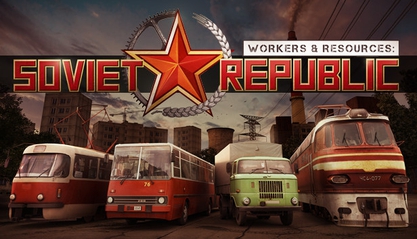
Welcome to your step-by-step guide designed specifically for newcomers diving into the challenging yet immensely rewarding Realistic Mode in Workers and Resources: Soviet Republic. This guide will walk you through everything you need to know—from adjusting your settings to planning rail networks and beyond—so you can transform virgin ground into a thriving, glorious Republic. Whether you’re just starting out or looking for some fresh pointers, these 15 steps are crafted to set you on the right path.
Step 0: Fine-Tuning Your Settings
Before you begin laying down the foundation of your Republic, take a moment to adjust your game settings. Realistic Mode is the game at its most challenging, and the default options can sometimes feel overwhelming. Here are a few suggestions:
- Difficulty and Finances:
- If you’re new, consider easing the challenge by increasing your starting money.
- You can also dial down frequent building fires, global events, and other simulations (research, water/waste management, maintenance) to reduce early-game stress.
Note: Disabling certain features early on might lock achievements later, so weigh your options based on your goals.
Step 1: Site Selection—Laying the Foundation
Begin your journey by selecting the ideal site for your future Republic. Here’s how:
- Pause and Survey:
- Pause the game to prevent time from ticking away as you strategize.
- Open your map (bottom right) and look for a Soviet customs house along the red border.
- Key Considerations:
- Power Connection: Ensure your site has an accessible power link.
- Resource Proximity: Look for stone, coal, iron, oil, or simply flat ground for fields and easier building.
- Future Prospects: Larger customs houses or those with rail connections might not be essential immediately but are valuable for later expansion.
Step 2: Building the Basic Infrastructure
A solid infrastructure is the backbone of any successful Republic. Start with:
- Roads:
- Lay down mud roads connected to your customs house.
- Plan for future upgrades by designing parallel roads; these can later be converted into faster, gravel roads.
- Fuel Station & Distribution Office:
- Place a free fuel station on your road network.
- Set up a distribution office to purchase an oil tanker. Once the tanker arrives, configure it to load fuel from the customs house and unload into your fuel station.
- Consider adding extra fuel stations if demand increases.
Step 3: Establishing Construction Offices and Purchasing Initial Vehicles
Your Republic’s construction phase is critical for preparing the land:
- Construction Offices:
- Set up free construction offices connected via mud roads to your customs house.
- Use the construction grouper menu to manage tasks efficiently.
- Vehicle Purchases:
- In separate construction offices, buy a bulldozer and an excavator.
- A tip: Set a low default number for construction workers (around 10) to ensure your population can still perform other tasks.
Step 4: Importing Your First Construction Goods
Smooth construction requires a steady supply of building materials:
- Storage Setup:
- Build free storages for key resources: an aggregate storage for gravel and a general storage for steel boards, prefab panels, and bricks.
- Ensure these storages are connected to your customs house for easy import.
- Distribution Logistics:
- Place additional distribution offices to feed your storages.
- Purchase a fleet of open hall trucks and dumpers, then assign them to load and unload resources efficiently.
- Unload different materials into separate storages to avoid logistical bottlenecks.
Step 5: Assembling Your Construction Fleet
With resources arriving, it’s time to mobilize your construction fleet:
- Fleet Composition:
- For road works: In a construction office with your bulldozer, buy two dumpers and an open hall truck.
- For ground works: In your excavator’s office, purchase a dumper, a mixer, and an open hall truck.
- For building structures: In an unoccupied construction office, acquire an open hull, a closed hull, a road crane, and a bus.
- Adjust on the Fly:
- If you find certain construction phases lagging, use vacant construction offices to buy extra vehicles and speed up the process.
Step 6: Setting Up Your Electrical Network
Power is essential for running industries and homes:
- High Voltage Connection:
- Connect from the border using a high voltage cable (around 15 MW) and build a high voltage switch.
- Branch off a lower wattage cable (approximately 8 MW) for local distribution.
- Local Network:
- Connect the branch to a power transformer, then use medium voltage lines to hook up to electric substations.
- Don’t forget to head to the border and import power—the trick is to use just enough to prevent outages while planning future expansions.
Step 7: Optimizing Foreign Worker Collection
Efficient worker collection reduces customs house congestion:
- Bus Station & Road Depot:
- Place a free bus station away from any walkable buildings and set up a road depot.
- Buy a passenger bus and, once refueled, configure a new road line to load workers from the customs house.
- Control Worker Flow:
- Add a stop to your bus station and adjust load settings to keep workers waiting there until needed by other lines. This minimizes customs house traffic and potential resource queues.
Step 8: Protecting Your Investments—The Fire Station
Shield your burgeoning Republic from unforeseen disasters:
- Fire Station Setup:
- Build the smallest available fire station.
- Purchase two small, fast fire engines and allocate them to your distribution office alongside an oil tanker for refueling.
- Worker Safety:
- Place a free bus stop between the fire station and the area where you plan to develop your first industry.
- Establish a mini bus line to transport workers to man your fire station effectively.
Step 9: Establishing a Technical Office for Water and Sewage
A functional technical office ensures smooth operations in your Republic:
- Infrastructure Needs:
- Construct a water substation and a sewage tank within range of your fire station.
- Set up a nearby free technical office and buy a water system and sewage system.
- Logistics:
- Configure these systems to collect and deliver water and sewage to your customs house, with additional support to nearby buildings.
Step 10: Upgrading Your Construction Area
Streamline your operations by upgrading your construction logistics:
- Storage Improvements:
- Build an aggregate storage connected to a truck loading station for gravel.
- Construct an open storage (or multiple storages) for boards, panels, bricks, and steel—ideally connected to a road loading station.
- Warehouse and Vehicle Housing:
- Create a warehouse for covered goods such as electrical and mechanical parts.
- Connect all storages to your electrical network.
- Consider upgrading to a larger, permanent construction office and adding an asphalt or concrete plant to cut down on imports from the customs house.
Step 11: Developing a Cost-Saving Industry
Lay the groundwork for long-term savings with a small construction industry:
- Key Industries:
- Build a small gravel pit and processing plant with an associated aggregate storage.
- If resources allow, construct a woodcutting facility (wood cutters, cutting post, sawmill) with an open storage for boards, and plant trees around it.
- Optionally, set up an aggregate storage linked to a brick factory to reduce reliance on expensive brick imports (import coal for the brick factory as needed).
Step 12: Implementing an Effective Waste Management System
Manage waste early to prevent production halts and pollution:
- Waste Collection:
- All buildings generate waste; too much buildup can stop production.
- Use free or built technical offices equipped with waste trucks to pull waste directly from buildings.
- Waste Stands & Transfer Stations:
- Place waste stands near buildings to collect waste efficiently.
- Build transfer stations to allow large waste trucks to quickly load waste, reducing congestion at your customs house.
- Adjust your technical office settings to either dump waste at the customs house or use a transfer station, based on your strategic preference.
Step 13: Planning Your First Town
It’s time to give life to your Republic by planning a town:
- Population and Amenities:
- Start small with around 1,000 people who can work in construction and basic industries.
- Provide essential amenities: food and meat outlets, clothing and electronics stores, venues for alcohol, sports, and culture.
- Supporting Infrastructure:
- Establish a small clinic for healthcare, along with kindergartens and schools.
- Set up a bus station near residential areas to facilitate worker transportation.
- Build a small heating plant (located at least 400 meters from housing) and connect it via underground pipes to small heat exchangers.
- Integrate water, sewage, and electrical substations to support your town’s growth.
Step 14: Developing Your Rail Infrastructure
As your Republic expands, a robust rail system becomes essential:
- Railway Setup:
- Construct a railway construction office near your first town.
- Connect this office to key storages: open storage for steel, bricks, panels, boards; aggregate storage for gravel; and a waste transfer station.
- If you’re using electric rails, add a small warehouse for electronic components.
- Advantages of Rail:
- Transitioning from road to rail increases transport capacity, overcomes delays caused by snow, and reduces customs house congestion.
- Ensure you have refueling points for diesel trains or proper electric connections, plus a train depot to import cargo or passenger wagons.
- Set up a train line linking the customs house, depot, and rail network for efficient resource movement.
Step 15: Exploring Further Money-Making Opportunities
Your Republic’s long-term success depends on diversifying income sources:
- Resource Exports:
- Oil: A high-volume resource that requires minimal workers.
- Clothes: Requires few workers but offers high returns; consider local fabric production.
- Crops and Livestock: Although crops require significant initial investment and land, pairing them with livestock can boost returns dramatically.
- Industrial and Research Investments:
- Coal or iron exports can be lucrative but demand a substantial workforce.
- Building research facilities to unlock advanced production methods (e.g., box sites, chemical or vehicle production) can open new revenue streams.
- Expansion:
- As your workforce grows, expand your town or develop new ones to sustain economic momentum.
Conclusion
Realistic Mode in Workers and Resources: Soviet Republic is not for the faint of heart—but it is one of the most rewarding ways to play. Each step of this 15-step guide is designed to help you build a solid foundation, streamline your operations, and ultimately create a thriving, self-sustaining Republic. Embrace each challenge as a learning opportunity, and don’t be afraid of mistakes; every misstep is a step toward mastery.
We hope this guide serves as a valuable resource on your journey. If you have any questions, additional tips, or suggestions for future guides, please leave a comment. Happy building, and may your Republic flourish!



 My Gaming Tutorials
Leave a comment