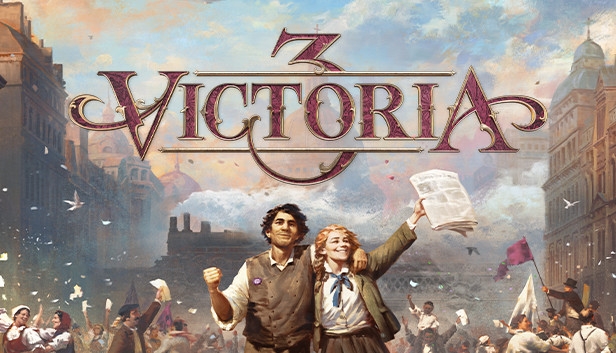
Hello, folks—welcome to a wild ride through the chaotic world of American industry in Victoria 3! Today, we’re taking a no-holds-barred look at how the United States can transform itself from a modest power into the unrivaled, weapon-producing juggernaut of the world. Forget supply and demand, taxes and bureaucracy—sometimes, you just need to crank out a mountain of guns and let the chaos fuel your rise to supremacy. If you’re ready to laugh in the face of economic theory and embrace the absurdity of it all, then buckle up!
1. The American Dream: Guns Over Everything
In our version of history, the U.S. starts as a country where the number of guns outnumbers the people—a fitting premise for a nation determined to control the world by monopolizing weapon production. Our journey begins in 1836 with a humble GDP and a pressing problem: a lackluster output of small arms. But why settle for mediocrity when you can build an empire of arms?
- Initial Condition: Despite being recognized as a great power on paper, our starting production of small arms is a disgrace (only 91 units!). Clearly, the American dream demands better.
- Immediate Focus: With migration (or at least, a vaguely understood update on it) on the horizon, we need to catch up quickly by constructing as many weapon-producing buildings as possible. The idea is simple: control the supply of guns, and you control the world.
2. Strategic Investments: From Iron Mines to Gun Factories
Once you decide that arms production is your new raison d’être, every decision must serve that singular goal. Here’s the plan:
A. Infrastructure and Industrial Expansion
- Iron Mines: Cheap, abundant iron is the lifeblood of our gun factories. Invest heavily in mining infrastructure to drive down production costs and fuel your burgeoning arms industry.
- Railroads and Supply Chains: As you expand, make sure your supply chains are as ruthless as your ambitions. Vanderbilt’s railroads—think of him as the 19th-century Jeff Bezos—connect every mine, mill, and factory, ensuring that raw materials move swiftly to production centers.
B. Consumer Demand and Domestic Markets
- Consumption Taxes: While most leisure goods get hit with high taxes, guns are exempt—stimulating domestic demand for weapons. After all, nothing says “freedom” like a population that enjoys a bit of target practice for fun.
- Export Strategy: With a booming domestic industry, you’ll soon be exporting guns to global powers. The British, for instance, become eager trade partners, snapping up your surplus in bulk orders. Global domination through arms sales? Check!
3. The Dark Side of Progress: Labor, Migration, and Controversial Policies
No revolutionary economic strategy comes without its moral quandaries. In our hyperbolic tale of American industry, we confront the brutal realities of the time with a sardonic wink:
A. Population Issues and Forced Labor
- Migration Mayhem: Population growth—or the desperate need for it—drives the narrative. When numbers are low, desperate measures (and questionable policies) come into play.
- Free Labor & Slave Trade Debates: A controversial (and edgy) proposal even makes it to a public vote. The idea? Import free labor to kickstart the population. Though plans can quickly go haywire—resulting in political and social chaos—the underlying lesson is that industrial might often comes at a steep human cost.
B. Civil War, Rebellion, and the Unintended Consequences
- The Great Divide: As tensions rise, the nation teeters on the brink of civil war. Rival factions, ideologies, and the ever-looming threat of slave revolts remind you that every economic strategy has its pitfalls.
- Unexpected Outcomes: In true chaotic fashion, the dynamics of rebellion, forced labor, and rapid industrial expansion lead to absurd scenarios—like the possibility of a nation being overrun by its own slave population. It’s a reminder that even the best-laid plans can spiral into the most surreal outcomes.
4. The Triumph of the Gun Empire
Despite—or perhaps because of—the absurdity, by the mid-1840s the U.S. has transformed into the world’s leading arms producer. Key takeaways for your own campaign include:
- Monopolize Production: Focus every resource on reducing production costs and boosting output. When your factories run at full steam, nothing can stop your ascent.
- Exploit Global Markets: Use your economic might to undercut competitors globally. As your cheap, high-quality guns flood international markets, watch as rival nations scramble to keep up.
- Control and Domination: The ultimate goal is clear: a nation so powerful in arms production that it reshapes global power dynamics. Even if the methods are controversial, the sheer might of a gun empire leaves little room for opposition.
5. Final Reflections: Embracing the Absurdity
This guide is not for the faint of heart. It’s a celebration of the outrageous, a nod to the absurdity that makes Victoria 3 such a fascinating sandbox for strategic experimentation. Whether you’re laughing at the chaos or marveling at the sheer audacity of it all, remember: sometimes the road to global domination is paved with irony, controversy, and more guns than anyone ever thought possible.
So, fire up those factories, manage your supply chains ruthlessly, and let the arms race begin. After all, in this alternate American dream, the power of the gun is the ultimate key to ruling the world.



 My Gaming Tutorials
Leave a comment