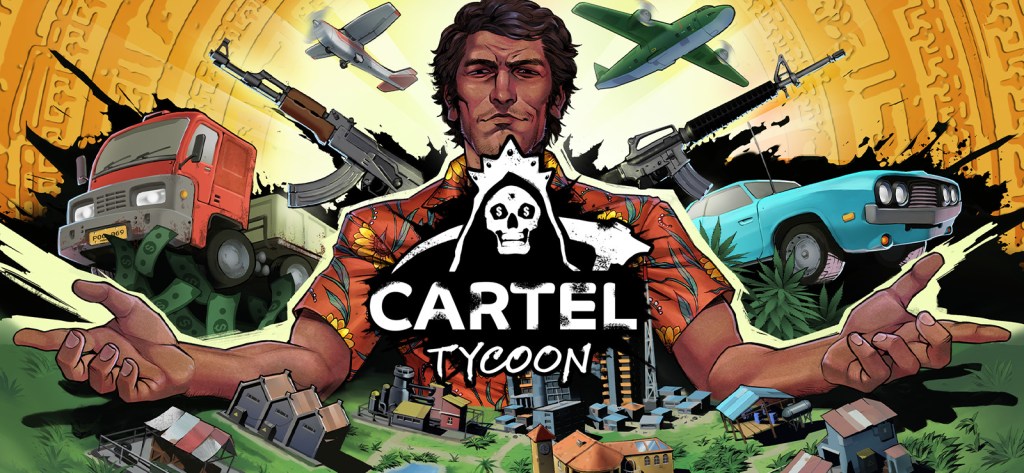
In the world of Cartel Tycoon, ambition fuels success, but success carries a price. The path to power isn’t just paved with crops and clean deals—it’s a labyrinth of tough choices, economic dilemmas, and questionable morality. This guide will take you through an unconventional yet highly effective strategy for building an empire, managing resources, and keeping your business afloat in a world where loyalty is fragile, and ambition is everything.
The Grand Vision: A Healthier Future (With a Few Caveats)
Every great empire starts with a vision. Ours? Selling vegetables to the world in an effort to combat unhealthy eating habits. It’s a noble goal, one that just so happens to require a highly efficient logistics network and a few less-than-legal shortcuts. The game’s new research update introduces an intricate web of knowledge, and managing relationships with lieutenants is more crucial than ever—some of them will prove to be assets, while others will be ticking time bombs.
The journey began in an unnamed country south of the border, on December 31st, 1989. With nothing but a plan, a dream, and a hundred thousand dollars, the foundation of our empire was laid. Eight vegetable farms sprouted into existence, and a swarm of truck drivers emerged from the void, ready to transport goods and execute orders with unflinching loyalty. But as any entrepreneur knows, economic survival requires adaptability. Vegetables alone wouldn’t sustain an empire.
Scaling the Operation: From Crops to Controversy
At first, the goal was simple: grow vegetables, create jobs, and spread health and wellness. But reality set in quickly. Health and wealth aren’t cheap, and soon, the realization dawned that funding an empire on wholesome vegetables alone was financial suicide. Enter the aerodrome—a vital export point that would fund the “greater good” through more profitable ventures.
Some call it a moral gray area, but the truth is, business is about survival. John Stuart Mill’s utilitarianism posits that actions are justified if they maximize overall happiness. If that means exporting some high-value “candy” to support a thriving vegetable industry, so be it.
Soon, our farms expanded beyond just vegetables—onions became our specialty. Highly addictive onions, in fact. The demand was insatiable. Meanwhile, lieutenants, fiercely loyal yet terrifyingly dependent, kept the machine running.
Navigating Growth and Its Pitfalls
1. Expansion and Infrastructure
By April, the operation was booming. The candy farms had become so large that hiding them behind the vegetable fields was no longer an option. Workers remained unpaid, yet their loyalty never wavered. They feared how much they loved me. Taxi Rapido, a new fleet of vehicles, helped transport goods faster than ever, but the system had cracks—unpaid workers might have loyalty, but they didn’t have patience.
2. The Hidden Cost of Success
June rolled in with new problems. Money was disappearing, and it wasn’t hard to find out why. Farmers, in their infinite wisdom, had started burying cash in the fields, treating it like some twisted savings plan. Money was no longer flowing to the aerodrome, and retrieving it involved digging up literal wads of cash before deliveries could be made. A logistical nightmare.
Lieutenants, meanwhile, began questioning my leadership. Their demands for raises became incessant, with one particular menace, Tony Quintero, leading the charge. To maintain order, I made difficult decisions—those who quit simply “vanished.” Back to Narnia, from whence they came.
The Great Reset: Learning From Mistakes
With the empire teetering on collapse, a new plan was necessary. In a moment of divine intervention (or sheer desperation), time reset to January 1st, 1990. This time, there were no careless mistakes.
1. A New Start, A Smarter Strategy
This time around, the empire was structured with precision. Farms were carefully planned, warehouses placed at optimal distances, and most importantly, employees were paid actual money. No more promises of friendship—just cold, hard cash.
The first major shift was hiring more reliable lieutenants. Instead of incompetent lackeys, I selected individuals who understood business, not just mindless loyalty.
2. Managing the Financial Ecosystem
Every day, charts dictated my decisions. Revenue, expenses, and Tony Quintero’s never-ending requests for raiseshaunted my dreams. He had wormed his way into the core of my business, demanding $315 per day. The empire was losing money, and desperate times called for desperate measures.
In an act of “necessary evil,” I “invited” Tony to dinner—where he never made it to dessert. Macaroni was his last meal.
Final Takeaways: The Business of Crime and Vegetables
1. The Fine Line Between Legitimacy and Survival
No matter how noble the intentions, crime and capitalism walk a thin line. Selling vegetables? Great idea. Hiding a lucrative operation behind them? Even better. Balancing the logistics of expansion, money laundering, and workforce management is what separates the successful cartels from the ones that crumble.
2. Research, Expansion, and Scaling Smarter
The recent research update adds more depth to empire-building. Investing in scientific advancements allows for faster growth and efficiency, but also comes with greater risks. Proper planning ensures that the operation doesn’t collapse under its own weight.
3. The People You Trust Will Eventually Turn on You
Lieutenants, no matter how loyal, will eventually ask for more. Some can be reasoned with, others must be dealt with. Knowing who to keep, who to pay off, and who to remove is crucial.
Closing Thoughts: The Legacy of a Tycoon
Despite the betrayals, logistical nightmares, and buried cash, the dream lived on. But the world is cruel to those who try to do good. Some refuse to eat nutritious vegetables, and when faced with failure, the only choice left is to embrace the darkness.
Goodbye, Tony Quintero. Goodbye, Fuscani. The empire moves elsewhere, to a land where ambition is respected, and the price of loyalty is understood.
For those looking to build their own vegetable empire, remember: the world isn’t fair, but with the right strategy, you can still win.
For the latest updates on Cartel Tycoon, check out the major research update and explore the evolving narrative system.



 My Gaming Tutorials
Leave a comment