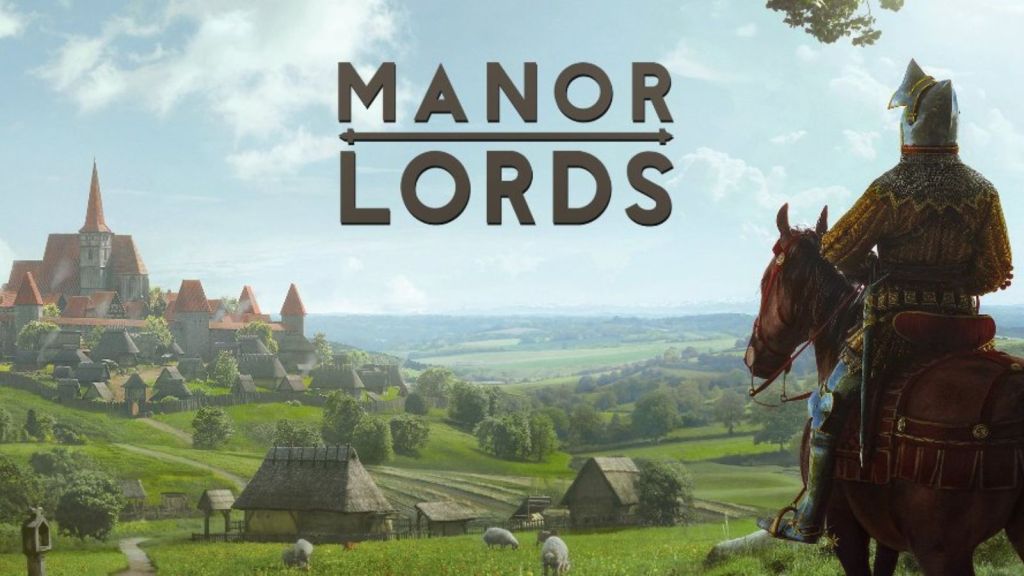
Managing food production in Manor Lords is one of the key aspects of running a successful and thriving settlement. In this guide, we’ll explore two optimized food production layouts that can sustain your town all the way to the maximum settlement level and beyond. These layouts require only one or two development points, making them accessible and efficient for long-term growth. Whether you have access to rich berry deposits or prime fishing spots, this guide will help you establish a stable and scalable food supply for hundreds of residents. Let’s dive in!
The Importance of a Sustainable Food Strategy
A successful food production system in Manor Lords is about more than just feeding your people—it also contributes to:
- Meeting food variety requirements to keep your citizens happy.
- Scaling up housing and settlement levels.
- Ensuring efficiency and low-maintenance operation.
The two layouts covered in this guide will provide a reliable food supply while minimizing complexity. Both are designed to work with a single common regional food deposit, meaning they can be used in most game scenarios.
Layout 1: The Berry Easy Setup
As the name suggests, this layout is simple, low-maintenance, and highly efficient. It requires only one development point and relies on three food sources:
- Vegetables
- Apples
- A Rich Berry Deposit
Step 1: Identifying the Berry Deposit
The key to this setup is locating a rich berry deposit in your region. Once you’ve found it:
- Do not remove nearby trees as this can destroy the berry bushes permanently.
- Build around the deposit, ensuring that it remains intact.
Step 2: Constructing the Core Food Hub
Next, create a centralized area for food storage and distribution:
- Forager Hut (next to the berry deposit)
- Granary (beside the forager hut)
- Marketplace (near the granary)
- Water Well (for easy access)
This localized setup keeps food storage and distribution highly efficient, reducing travel time for workers and ensuring a steady supply to your town.
Step 3: Residential Layout and Backyard Farms
Now, establish four housing plots near your central food hub. These houses should have large backyard extensions(between 1-2 Morgans in size). Organize them as follows:
- Two houses dedicated to vegetable gardens.
- Two houses dedicated to apple orchards.
Optimizing the Layout
- Use roads to shape the borders of the residential plots, allowing for double housing areas.
- Check backyard extension sizes using the crop field placement tool.
- Aim for approximately 1.5 Morgans per backyard for best efficiency.
This layout ensures that each family living in these houses will be responsible for all food production needed for your town.
Step 4: Managing the Production Workflow
Once built, this system will provide an abundant food supply while requiring minimal micromanagement. Here’s how to optimize it:
Berry Harvesting Strategy
- Assign extra workers to the Forager Hut in spring when berries regenerate quickly.
- Reduce the number of foragers after spring, keeping just one or two workers for final harvesting before winter.
- Use orchard families for foraging since they only work in September (apple harvest season).
Vegetable Farming Strategy
- Assign vegetable families to the church or corpse pits to keep them from being reassigned to other jobs.
- This ensures they only focus on their year-round vegetable production.
- As your town grows, prioritize upgrading vegetable and orchard houses first to accommodate additional workers.
Scaling Up
- By Year 3, this setup should provide all three food types at a sufficient level.
- By Year 5, it can support a large settlement with hundreds of residents.
- Consider adding a second granary to increase storage capacity.
Layout 2: The Pescatarian Setup
This second setup is almost identical to the Berry Easy layout but is optimized for rich fishing deposits instead of berries. The key differences:
- Relies on fish instead of berries.
- Requires two development points (instead of one).
Step 1: Setting Up the Central Hub
- Locate a rich fishing deposit and place the core structures nearby:
- Fishing Hut (for fish supply)
- Granary (for storage)
- Marketplace (for distribution)
- Water Well (for convenience)
Step 2: Establishing Residential and Farming Areas
- Same four backyard houses layout as the Berry Easy setup.
- Two houses for vegetables, two houses for apple orchards.
Step 3: Development Points and Fishing Efficiency
- First development point: Orchards (same as the first layout).
- Second development point: Advanced Pond Keeping (improves fish harvests by 75-80%).
- Assign extra families to fishing huts during spring when fish supplies regenerate.
Long-Term Scaling
- A fully optimized fishing setup can yield higher food production than berries.
- Provides a more scalable food source at the cost of an additional development point.
- Works exceptionally well in coastal or river-based regions.
Final Notes: Why These Layouts Work
- Minimal Micromanagement: Families assigned to food production automatically manage most of the work.
- High Efficiency: The granary and marketplace are positioned at the heart of production, reducing delays.
- Scalability: Supports hundreds of residents even without additional food sources.
- No Farming Dependency: Unlike traditional wheat-based farming, these setups require less maintenance.
Why Not Use Farming?
- Farming requires more workers and management.
- Recent patches in 2025 adjusted ale and tavern mechanics, making large barley farms unnecessary.
- Importing small amounts of barley is more efficient than maintaining large farms.
Alternative Food Production Methods
- Hunting: Effective but requires a separate infrastructure.
- Trade-Based Food Economy: Some players prefer importing food while focusing on crafting goods for export.
- Advanced Layouts: Future updates may introduce new food production strategies.
Conclusion: The Best Way to Feed Your Town
By following these optimized food production layouts, you can easily sustain a growing settlement without excessive micromanagement. Whether you use the Berry Easy setup or the Pescatarian layout, your town will thrive with a stable, varied, and scalable food supply.
Now, go forth and build your medieval empire with confidence!



 My Gaming Tutorials
Leave a comment