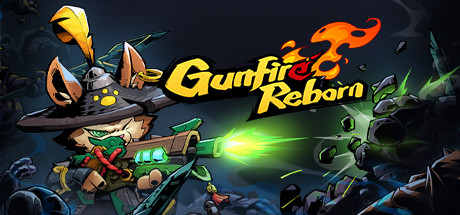
If you’re struggling to secure wins in Gunfire Reborn, mastering a few crucial mechanics can transform your experience. Here are five fundamental steps to help you dominate the game, maximize your damage potential, and handle enemies with ease.
1. Understanding and Utilizing Elemental Combinations
Gunfire Reborn features three elemental damage types—Fire, Lightning, and Corrosion. Each of these has distinct effects that can make or break your run:
- Fire inflicts Burning, dealing damage over time equal to the initial burn over 5 seconds. It’s highly effective against health but struggles against shields and armor.
- Lightning causes Shock, increasing the damage an enemy takes per hit. It excels against shields but is weak against health and armor.
- Corrosion applies Decay, slowing enemy movement. It performs best against armor but is weaker against health and shields.
While these elements are useful on their own, they become exponentially more powerful when combined:
- Burning + Shock = Manipulation
- Normal enemies inflicted with this effect will attack each other for 5 seconds, effectively neutralizing them. However, it doesn’t work on elites or bosses, limiting its impact.
- Burning + Decay = Combustion
- Causes an explosion that deals heavy damage and staggers surrounding enemies. For optimal damage, apply the weaker element first, followed by the stronger one.
- Shock + Decay = Miasma
- Deals true damage over time based on a percentage of the enemy’s health. The effect persists on elites and bosses, making it a game-changer against high-health enemies.
Mixing and matching these effects can greatly amplify your combat potential, making even the toughest fights significantly easier.
2. Weapon Damage vs. Skill Damage: Knowing What Scales What
A common source of confusion is the distinction between weapon damage and skill damage. Generally:
- Weapons deal weapon damage
- Abilities, skills, and active scrolls deal skill damage
However, there’s a major exception: explosive weapons scale with skill damage. This means that weapons like the Tiger Cannon will do more damage if you have scrolls increasing skill damage, such as Spirit Bible. However, they won’t benefit from skill-specific bonuses like Surprise Bonus.
Most runs tend to focus heavily on either weapon damage or skill damage, rather than a hybrid approach. Understanding which category your build falls into is key to optimizing your damage output.
3. Lucky Shots vs. Critical Hits: How They Work
Critical hits and lucky shots may seem similar, but they function in fundamentally different ways:
- Critical Hits occur when you strike an enemy’s weak spot (typically the head, though some enemies have different critical locations). The damage multiplier is determined by the CritX value of your weapon.
- Example: If your weapon has a 2.0x CritX, a critical hit will deal double damage.
- Exceptions: Most explosive and melee weapons cannot land critical hits.
- Lucky Shots are chance-based and affect weapon damage. A 50% lucky shot means you have a 50% chance to deal double damage. At 100%, every shot does double damage, and exceeding 100% allows for triple, quadruple, or even higher multipliers.
- Damage Colors:
- Orange: Double damage
- Purple: Triple damage
- Red: Quadruple damage or higher
- Damage Colors:
Lucky shot multipliers can skyrocket your damage output, making them a critical stat to build on high-damage weapons.
4. Movement is Key: Keep Dodging
Staying mobile is one of the simplest yet most effective ways to survive. Enemy tracking is poor at lower difficulties, meaning even basic strafing can avoid most attacks. However, at higher difficulties, enemies become more accurate, requiring you to zigzag and make full use of your environment.
- Dash Often – Many scrolls boost dash-based mechanics, so use your dash strategically.
- Keep Distance – This is crucial against melee enemies.
- Use Cover – Avoid running headfirst into enemy fire.
- Movement Speed Scrolls – Acquiring at least one movement speed-related scroll can be a lifesaver, particularly during boss fights where quick escapes are necessary.
5. Not All Scrolls Are Beneficial: Choose Wisely
Unlike some games where you grab every item you see, Gunfire Reborn requires careful consideration when picking up scrolls. Some scrolls provide powerful benefits but come with severe drawbacks that can ruin your run.
Here are a few potential pitfalls:
- Ostrich Rider – Grants a speed boost but drastically increases dash cooldown. You’ll need to conserve dashes for crucial moments.
- Elemental Enthusiast Scrolls – Grants bonuses but also inflicts you with the element, potentially causing constant burning, shocking, or decay damage.
- Paranormality – Sets health to 1 but doubles shields. Great if you have shield-boosting scrolls but makes healing items useless.
- Flesh and Bones – Converts shields to health. Can be devastating if you’ve picked up HP-reducing scrolls like Devil’s Covenant.
- Deflection Shield – Nearly doubles damage taken if playing a close-range build, making it a death trap for melee or short-range characters.
If you accidentally pick up a harmful scroll, you can drop most scrolls by opening your inventory and holding the release button.
Conclusion: Putting It All Together
Mastering Gunfire Reborn requires understanding elemental synergies, knowing the difference between weapon and skill damage, optimizing critical and lucky shots, staying mobile, and carefully selecting scrolls. By implementing these strategies, you’ll significantly improve your runs and start crushing even the hardest challenges in the game.
If you want to see top-tier gameplay in action, join the community discussions on Discord or Twitter, where experienced players showcase high-level play and share valuable insights. Until next time, keep moving, keep shooting, and keep stacking those lucky shots!


 My Gaming Tutorials
Leave a comment