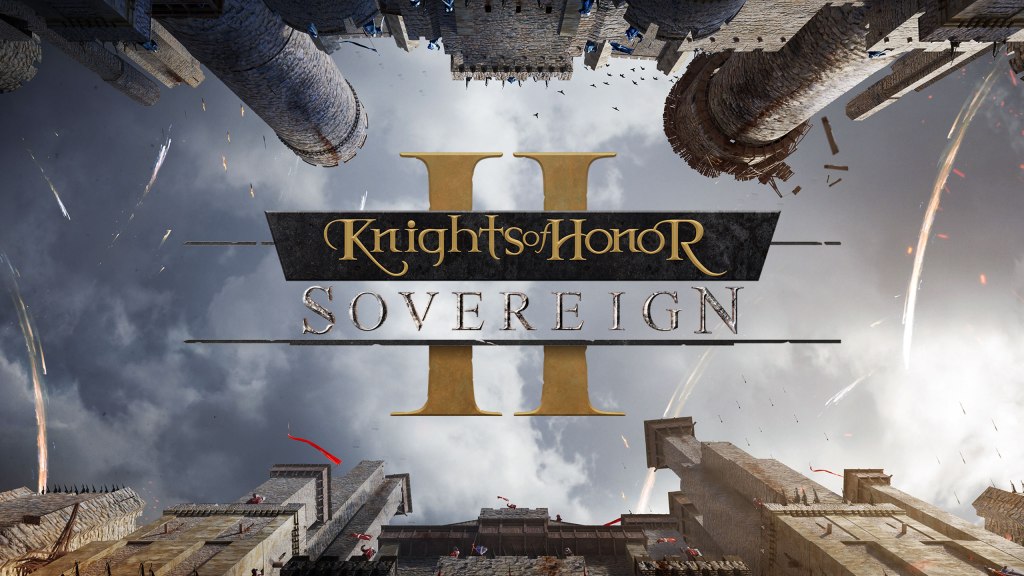
Welcome back, commanders! Today we dive into a crucial part of military planning in Knights of Honor II: Sovereign—the structure of your army roster and how to access unique units. Whether you’re aiming to forge a nation from scratch or expand a mighty empire, knowing how units are categorized and acquired is vital for long-term strategic dominance.
The Three Layers of the Unit System
Unlike many other strategy games where faction rosters are rigid and siloed, Knights of Honor II takes a more layered and dynamic approach. Your total access to unit types is built from three core components:
1. The Basic Unit Set (Roster Type)
Every faction in the game belongs to a specific unit set that forms its basic military foundation. These unit sets define your standard infantry and cavalry—units that are universally accessible throughout your kingdom.
There are roughly 20 different unit sets, such as:
- Western Unit Set
- European Unit Set
- Teutonic Unit Set
- Spanish Unit Set, etc.
For example, England uses the Western unit set, granting access to typical western-style infantry and cavalry. These include units like White Sword Infantry or Heavy Swordsmen—solid all-purpose troops for a range of combat roles. The basic roster is the bread and butter of your military.
2. Faction-Specific Kingdom Units
On top of your basic unit set, each kingdom typically has one or more unique faction-specific units that reflect historical or cultural traditions. These are available to you anywhere in your realm—no matter which province they originate from.
Continuing with the England example: they have the Longbowman as a Kingdom-specific unit. So regardless of what land you control, you can always recruit Longbowmen as England.
Other kingdoms using the Western unit set may instead have different unique additions, providing some variation and flavor even among factions with similar base rosters.
3. Province-Specific Units
Here’s where things get interesting: many of the most powerful or exotic units in the game are locked to specific provinces. These Province Units can only be recruited from the territory in which they historically originated.
Let’s say you’re playing as England and you’re eyeing the fearsome Templar Knights. Since they’re not part of England’s basic roster or a unique Kingdom unit, your only option is to conquer a province where Templar Knights are native, such as Acre (Akka). Once under your control, the barracks in that province will unlock the ability to train Templar Knights.
This system creates organic strategic incentives. Want elite units? You’ll have to fight for the territory that breeds them.
What Makes a Unit “Unique”?
One important distinction to make is that not all “unique” units are exclusive. Some units appear in multiple unit sets or are available both as part of a faction’s basic roster and as province units for others.
For instance:
- Teutonic Knights are standard units for the Teutonic Order, thanks to their unique unit set.
- But for other factions like England, Teutonic Knights are not part of their basic roster or unique Kingdom units.
- That means England would need to conquer a province where Teutonic Knights originate to gain access to them.
This crossover creates a rich landscape where certain provinces become high-value military assets based on the elite troops they unlock.
What This Means for You Strategically
Understanding this unit structure is more than trivia—it’s tactical.
- Are you playing a heavy infantry-focused faction? Then prioritize expanding toward provinces that offer elite cavalry.
- Are you limited in archers? Seek out provinces that host specialized bow units or siege troops.
- Want to build the ultimate roster? You’ll need a patchwork empire drawn from multiple regions.
The dynamic roster system means your military strength isn’t just determined by your starting faction—it evolves through your conquests. Smart expansion equals better units.
Final Note: Campaign Start Dates and Availability
In the next segment (referenced in the original video), all unique units will be listed along with the provinces you can find them in. Do note:
- An (E), (M), or (L) next to a province name refers to the Early, Mid, or Late start date of the campaign.
- Some units may only be available in certain eras, adding another layer of strategic planning based on your chosen timeline.
Wrapping Up
In Knights of Honor II, the army you build is directly tied to the lands you control. Every conquest is a potential roster expansion. Understanding how the basic unit sets, Kingdom-specific units, and Province-specific units work will help you customize your military might to suit your goals.
Be on the lookout for the full breakdown of each unique unit and where to find them. Until then, start planning your expansion path—not just for territory, but for troops.
Good luck out there, generals!

 My Gaming Tutorials
Leave a comment