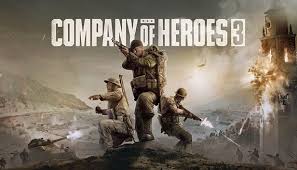
Company of Heroes 3 introduces new mechanics and refinements to the classic tactical gameplay that has long defined the franchise. Whether you’re a seasoned veteran or a newcomer, understanding the depth of the game’s cover system, environmental destruction, vehicle mechanics, and tactical unit coordination will elevate your command on the battlefield. This guide delves into essential tips to maximize your effectiveness in combat.
Environmental Destruction, Cover, and Flanking
In Company of Heroes 3, the battlefield is as much a weapon as the units at your disposal. Cover mechanics play a pivotal role, dictating survival and efficiency in engagements. Units can take cover behind buildings, debris, sandbags, and even vehicles, with their cover status indicated by color-coded pips: gray for no cover, yellow for light cover, and green for heavy cover. Using cover effectively minimizes damage and increases your squad’s survivability.
Flanking is the key to overcoming dug-in enemies. Engaging an opponent head-on often leads to prolonged firefights with minimal gains. Instead, sending units to attack from an exposed angle while another force keeps them engaged ensures a tactical advantage. This is especially critical against heavy machine gun teams, which suppress units approaching head-on. By drawing their fire with one squad while maneuvering another to their side, you can dismantle these threats efficiently.
It is crucial to recognize that cover isn’t absolute protection. Troops huddled behind barricades are vulnerable to grenades, flamethrowers, and artillery, which can obliterate entire squads in seconds. Flamethrowers completely negate cover bonuses, making them ideal against entrenched enemies. Meanwhile, snipers can pick off soldiers in cover with near impunity, making situational awareness and timely retreats imperative.
Vehicles also interact with cover, both as protection and as a tool of destruction. Tanks and heavy vehicles will crush walls, sandbags, and debris, potentially eliminating safe zones for your infantry. Use this to your advantage by deliberately destroying enemy cover while preserving your own.
Clearing and Holding Buildings
Buildings serve as strategic strongholds, providing heavy cover, height advantages, and line-of-sight benefits. Garrisoning troops in structures can offer substantial defensive advantages, but it comes with limitations. While inside, units lose access to certain abilities like grenades but can still utilize weapons such as machine guns, bazookas, and snipers. Buildings with flat rooftops allow more units to fire from advantageous positions.
However, structures are not invincible. Artillery bombardments, tank fire, and flamethrowers can quickly destroy buildings, killing all units inside. To counter enemy-occupied structures, preemptively damaging or demolishing them ensures they cannot be used as defensive positions. If you intend to capture a building instead of destroying it, flamethrowers and grenades effectively weaken enemy occupants. Alternatively, the breach mechanic allows specific infantry units to storm a structure, dealing heavy damage to its occupants and forcing survivors into the open, where supporting troops can finish them off.
Defending a building requires awareness of its durability. A damaged structure can collapse unexpectedly, wiping out garrisoned troops. If under heavy bombardment, evacuating the unit before the building crumbles is essential for preserving your forces.
Vehicle Tactics: Positioning, Recovery, and Utility
Vehicles play a crucial role in Company of Heroes 3, acting as both powerful weapons and essential support tools. Tanks, armored personnel carriers, and recovery vehicles all bring unique strengths to the battlefield, but proper positioning and awareness of armor mechanics are crucial to their survival.
Tanks have different armor ratings on their front, sides, and rear. The front armor is the strongest, while the rear is the most vulnerable. Always keep enemy fire directed at your tank’s front armor by using the reverse order instead of simply retreating. This ensures that your most resilient side faces enemy fire at all times.
Similarly, flanking tactics apply to vehicle engagements. Hitting an enemy tank from the rear or even the side is significantly more effective than engaging it head-on. Using two anti-armor squads to attack from different directions prevents the enemy from adjusting their facing and increases your chances of a quick takedown. Anti-tank grenades and satchel charges are excellent tools for disrupting enemy armor.
Beyond their firepower, vehicles provide logistical advantages. Troop transports expedite movement across the battlefield, while half-tracks and tanks can be used as mobile cover for advancing infantry. Additionally, vehicles can recover wreckage, allowing you to either deny resources to the enemy or refurbish damaged armor for your own use at a fraction of the cost.
Survivability: Retreating, Reinforcement, and Tactical Positioning
Maintaining unit integrity is vital to long-term success. It is always preferable to retreat a unit rather than allow it to be wiped out. Veteran units with accumulated experience and upgrades are invaluable assets, and losing them needlessly is a waste of resources. Using the dedicated retreat command grants a movement speed boost and cancels suppression effects, drastically improving a unit’s chance of escape.
Infantry and vehicles can be replenished and repaired at designated bases or through specific support vehicles. However, healing and replenishment are separate mechanics—healing restores the health of individual squad members, while replenishment replaces fallen members as long as there is sufficient population cap available. Keeping units topped up and strategically withdrawing them from combat ensures they are ready for the next engagement.
Additionally, avoid clustering units together. A well-placed artillery strike, grenade, or flamethrower attack can instantly decimate tightly packed squads. Spacing out your units mitigates the risk of total annihilation.
Coordinated Team Tactics and Squad Synergy
Success in Company of Heroes 3 hinges on teamwork and synergy between different unit types. Treat each squad as part of a larger force rather than individual assets. For example, pairing rifle squads with heavy machine gun teams ensures the latter is protected from flanking maneuvers. Similarly, snipers and mortar teams should always have a defensive unit nearby to protect them from close-range threats.
Weapon emplacements and defensive structures can be formidable obstacles, but their effectiveness depends on positioning and support. Heavy machine guns, for example, are lethal from the front but vulnerable to flanking attacks. Always accompany them with supplementary forces to cover their blind spots.
Using reconnaissance tools like flares and scout planes to gather intelligence before pushing into unknown areas prevents unnecessary losses. Smoke grenades are an excellent counter to enemy gun emplacements, allowing troops to advance safely through what would otherwise be kill zones.
Final Thoughts
Mastering Company of Heroes 3 requires a blend of tactical positioning, smart use of cover, and efficient resource management. By understanding environmental interactions, utilizing buildings effectively, optimizing vehicle use, and coordinating squad tactics, you can establish dominance on the battlefield. Whether defending strategic positions or launching aggressive offensives, maintaining adaptability and situational awareness will be the key to victory.
Refine your strategies, anticipate your enemy’s moves, and above all, ensure the survival of your troops—because in Company of Heroes 3, every unit counts.



 My Gaming Tutorials
Leave a comment