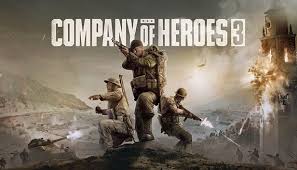
Company of Heroes 3 is a deep and rewarding tactical RTS, but for new players, it can also be overwhelming. If you’re just starting out, this guide will help you develop the essential skills to progress and enjoy the game at a higher level. Winning isn’t just about eliminating the enemy—it’s about smart positioning, resource management, and adapting to battlefield conditions. Whether you’re drawn to infantry skirmishes, armored assaults, or a combined arms approach, these foundational tips will get you on the right track.
Finding Your Playstyle
Before diving into technical mechanics, the most important thing is to find something fun. Company of Heroes 3 offers a variety of factions and strategies, so play in a way that keeps you engaged. Some players enjoy aggressive infantry rushes, while others prefer methodical tank-based warfare or air power. Whatever your preference, the key is to experiment and develop a playstyle that feels enjoyable.
Winning isn’t the only goal—how you fight matters just as much. Even in losses, the game offers exciting tactical moments, from well-executed flanks to last-minute defenses. Competitive play thrives on these moments, making every battle an engaging experience regardless of the outcome.
Mastering the Tactical Map
One of the quickest ways to improve is to utilize the Tactical Map. By default, it’s mapped to ‘M’, but moving it closer to your camera controls (whether WASD or arrow keys) will make a huge difference in your efficiency. The Tactical Map provides a top-down overview of the battlefield, allowing you to issue commands, monitor units, and quickly respond to threats.
Use the map to retreat weakened squads, issue movement orders, and locate idle units that could be capturing points or engaging the enemy. A well-utilized Tactical Map ensures better awareness and control over your forces at all times.
Building Your Army and Capturing Territory
At the start of a match, you need to get squads onto the field as quickly as possible. Every second counts. As soon as you have the manpower for a new squad, start training it immediately—delays slow down territory capture and reduce your early-game presence.
A good rule of thumb is to have four mainline infantry squads supported by two additional specialized squads, such as machine gunners, snipers, or engineers. Avoid floating excess manpower—resources should always be spent on new units or upgrades.
To maximize efficiency, queue multiple movement commands at the start of the game using Shift + Right Click. This allows your squads to move from point to point without requiring constant micromanagement, ensuring they capture key positions efficiently.
Understanding Cover and Positioning
Cover is one of the most crucial mechanics in Company of Heroes 3. Units can take cover behind various objects, categorized into:
- Green Cover (Heavy Cover): Provides the most protection.
- Yellow Cover (Light Cover): Offers some protection, but less effective.
- Red Cover (Negative Cover): Makes units more vulnerable.
- No Cover: Units are fully exposed to enemy fire.
In direct firefights, positioning is often more important than firepower. Two squads in heavy cover can trade shots for minutes, but if one unit is caught in the open, it will take significantly more damage. Use Right Click + Drag to position your squad properly behind cover, ensuring they face the correct direction.
Buildings also provide heavy cover and prevent suppression, making them valuable defensive positions. However, they are vulnerable to flamethrowers, explosives, and sustained fire. Understanding when to hold a building and when to retreat is vital for survival.
Flanking and Dynamic Engagements
Positioning doesn’t just apply to defense—it’s crucial for offense as well. If two squads are shooting at each other from equal cover, the battle could last indefinitely. Instead of engaging head-on, maneuver another squad to the enemy’s side, exposing them to fire while maintaining your own cover. This is known as flanking and is one of the most powerful tactics in the game.
Additionally, avoid clustering your units together. Grouped-up squads are vulnerable to machine gun suppression, artillery, and explosive attacks. Spread your infantry out to reduce casualties and maintain battlefield control.
Using the Retreat Mechanic
Preserving veteran units is far more valuable than letting them fight to the last man. If a squad is heavily damaged, use the Retreat Command to send them back to base, where they will automatically replenish their numbers. Unlike manually moving them back, the retreat function grants a speed boost and removes suppression effects, increasing their chances of survival.
Once they are fully reinforced, redeploy them immediately. Avoid leaving idle troops at your headquarters—every unit should have an active role on the battlefield at all times.
Pairing Support Teams with Infantry
Snipers, machine guns, and mortars can be challenging to manage, but they are much more effective when paired with standard infantry squads. Rather than thinking of them as separate units, treat them as part of a combined force:
- Snipers: Work best when covered by a squad to prevent ambushes.
- Machine Guns: Need infantry support to prevent flanking.
- Mortars: Excel at softening enemy positions but are defenseless on their own.
By keeping support teams integrated with infantry, you improve their survivability and make them easier to manage in combat.
Dealing with Vehicles: The Rule of Twos
Tanks and armored vehicles can dominate the battlefield, but they are not invincible. A simple rule for beginners is to always use at least two sources of anti-armor damage when engaging enemy vehicles. This could be:
- An anti-tank rifle and a grenade squad.
- A light tank and a bazooka-equipped infantry unit.
- Two dedicated anti-tank units attacking from different angles.
Even if you don’t destroy the tank, forcing it to retreat is a win. Keep in mind that vehicles do not have a dedicated retreat function but can reverse (bound to the same key as retreat for infantry) to keep their frontal armor facing the enemy.
Additionally, stationary tanks can serve as heavy cover for infantry. Positioning infantry alongside tanks can protect them from small-arms fire while providing fire support.
The Power of Mines
A classic saying in Company of Heroes: “Mines win games.” Strategic placement of mines in choke points, near resource nodes, or in areas where vehicles are likely to pass can significantly disrupt enemy movements. Mines force opponents to slow down, use engineers for clearing, or risk losing squads and vehicles unexpectedly.
Final Thoughts
Company of Heroes 3 rewards strategic thinking, adaptability, and unit preservation. As a new player, focus on:
- Finding a playstyle that keeps you engaged.
- Utilizing the Tactical Map for better awareness.
- Maintaining aggressive map control without floating resources.
- Prioritizing cover, flanking, and smart positioning.
- Keeping squads alive with the retreat mechanic.
- Pairing support teams with infantry for better efficiency.
- Using the “Rule of Twos” to counter enemy armor.
- Deploying mines to control key areas of the battlefield.
Following these foundational principles will ensure steady improvement and a more enjoyable experience. Whether you’re playing casually or aiming to climb the ranks, the key is to have fun and learn from every battle. Now get out there and lead your troops to victory!



 My Gaming Tutorials
Leave a comment