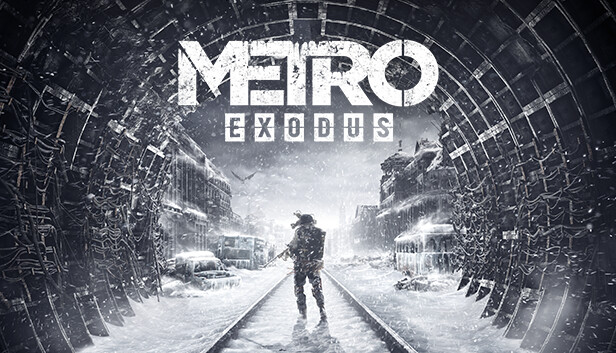
Metro Exodus isn’t just a post-apocalyptic shooter with amazing atmosphere and storytelling—it’s also packed full of hidden mechanics, clever NPC behavior, dynamic systems, and developer Easter eggs. Whether it’s fire physics, wildlife interactions, or small morality moments that echo into the bigger narrative, the game is full of details that reward the curious and observant.
Here’s a breakdown of 12 lesser-known secrets and features that showcase just how intricate Metro Exodus truly is.
1. Fire Behaves Like Real Fire
In Metro Exodus, fire isn’t just pretty—it spreads naturally. In the Caspian region, you can light tumbleweeds on fire with Molotovs, and they’ll ignite nearby tumbleweeds as they roll. Throw a Molotov into the oil fields, and geysers will erupt in flames, torching anything caught nearby. You can even set light to torches and bonfires using your cigarette lighter, not just cobwebs. It’s a small touch, but it adds a new layer of immersion and tactical play.
2. The Lighter Is More Useful Than You Think
That lighter you carry isn’t just for spider webs. You can hold it up to torches or bonfire wood to ignite your surroundings. Need a light source in a dark room? Spark up a torch. Just remember to extinguish it afterward or risk exposing your position. Fire is both friend and foe.
3. Wildlife Interacts With Itself
The mutant ecosystem doesn’t revolve around you. Watch long enough, and you’ll see creatures attack one another. In the Caspian, giant bat-like mutants can be seen swooping down to grab Humanimals. While it’s not quite on the level of Far Cry’s dynamic ecosystems, there’s a real sense that life exists whether you’re watching or not.
4. Your Train Is Full of Interactions
The Aurora, your mobile home and transport, offers more than just travel scenes. You can:
- Tune the radio for signals.
- Read crew member files.
- Step outside to smoke with your allies.
- Shovel coal into the engine.
- Or simply blast the train horn while others try to talk (because it’s funny).
The train adapts throughout the game and offers a surprising level of interactivity.
5. The Dynamic Menu Screen Changes With Progress
Your train is more than just part of the story—it’s also your main menu screen, and it updates based on your story progress. When you’re in warmer regions, Anna will be dressed accordingly, and you’ll see refreshing drinks and vibrant scenery. In darker story beats, the outside becomes grim, foggy, and reflects the crew’s emotional tone. Even the mile counter ticks forward.
6. Meta Book Easter Eggs
You can find in-world copies of Metro 2033, Metro: Last Light, and Metro 2035, the real-life novels by Dmitry Glukhovsky that inspired the games. The idea that these books exist in-universe is hilariously meta—especially since they reflect the very events you’re living through.
7. NPC Dialogue Adapts to Your Choices
Because Exodus allows open-ended exploration, NPCs will actually comment differently depending on when you meet them. For example, the man living in a crane in the Volga will recognize you if you explore the region before visiting him. This kind of contextual reactivity is subtle but adds realism to the world.
8. Enemies Have Dynamic Voice Lines
Human enemies don’t just shout generic warnings—they adapt their dialogue based on your position. Hide behind a fence? They’ll call it out. Fire from a house? They’ll shout your location to others. This real-time situational awareness creates a sense that your opponents are more than just cannon fodder.
9. Morality Rewards Exist—Even in Small Moments
You’re not always rewarded with massive story changes for being good, but sometimes the game recognizes your kindness. In the Taiga level, saving a man from a wolf attack leads to him later appearing by a lake, where he gives you some crafting resources. He’s drunk and barely helpful—but it’s a subtle, meaningful nod to your compassion.
10. The Taiga Is Packed With Morality Flexibility
In one of the game’s most morality-sensitive areas, the forest tribe will surrender if you play it cool. Lower your weapon and approach calmly—they’ll lay down their arms, and you can knock them out peacefully. Aggression will lock you into the bad ending path. Even approaching Riemann without your weapon drawn prevents a fight entirely.
11. Extreme Graphics Mode Exists—For the Future
Above Ultra settings, there’s an Extreme mode in the graphics options. Designed for hardware that doesn’t even exist yet (or just barely does), Extreme mode pushes Metro into near-photo-realism at 4K+. Your GPU may cry, but in a few years, this will be the benchmark to test it on. And yes—this is your new “but can it run Crysis?” test.
12. There’s a Hidden Benchmark Tool
Metro Exodus ships with an official benchmarking executable, but you won’t find it in the in-game settings. It’s tucked away in the game’s install folder. Locate the executable, and you’ll be able to run formal benchmarks to see how well the game performs on your rig. A strange omission from the menus, but useful if you want to dial in perfect settings.
Bonus Detail: You Can Shoot a Statue’s Head Off
Because… why not? It doesn’t impact gameplay, but it’s a fun little nod to the developers’ sense of humor.
Final Thoughts
Metro Exodus is a masterclass in environmental storytelling and layered gameplay design. Whether it’s meaningful moral choices, context-sensitive enemy chatter, or absurdly realistic fire behavior, this is a game that constantly rewards exploration. If you’re paying attention, the game world feels alive, reactive, and weirdly beautiful—even in nuclear ruin.
So light that torch, save that stranger, and maybe honk your train horn one more time. You never know who might be listening.


 My Gaming Tutorials
Leave a comment