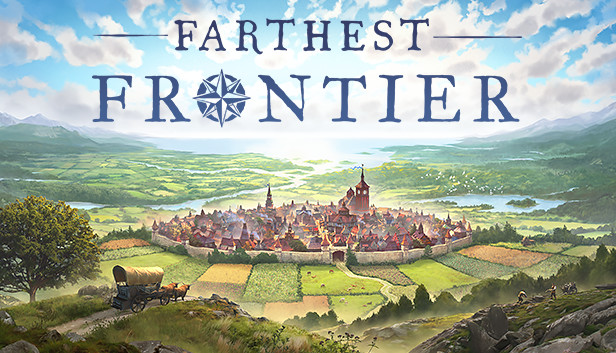
Modern city-building games are known for their layered complexity, and Farthest Frontier is no exception. From the moment I launched into my first game, I quickly realized how unforgiving this frontier survival simulator can be. After several restarts and painful lessons, I began to uncover the rhythms and systems that make a town thrive—or collapse. Below are the essential tips I wish I knew from the start. Applying these early can save you hours of frustration and set you up for long-term success.
1. Keep a Healthy Reserve of Laborers
Laborers are the lifeblood of your town—think of them as the arteries moving vital resources to every corner of your settlement. Without enough of them, your infrastructure breaks down. It’s tempting to allocate everyone to flashy jobs like farming or blacksmithing, but doing so can cripple your economy. Aim to keep about 15% to 20% of your total population assigned as laborers. This ensures wood, stone, and other resources are consistently gathered and distributed, and it helps prevent bottlenecks when it comes to construction or hauling.
2. Preserve Your Food Before It Spoils
One of the most punishing early-game realities is food spoilage. I learned this the hard way by overstocking food storage without realizing it decays quickly—sometimes in just a few months. You must invest in preservation methods as soon as possible. The Smokehouse is your first major upgrade, transforming meat into smoked goods with a longer shelf life. Likewise, prioritize planting crops like legumes and grain early so you can bake bread, which also keeps longer than fresh food. Focus on building a sustainable food chain early on or risk losing everything to rot.
3. Settle Near Herbs and Roots for Health and Progression
While not immediately obvious, proximity to herbs and roots can significantly impact both your villagers’ health and your town’s progression. Herbs are essential for healing and upgrading your residential buildings, while roots provide a helpful health buffer in the early game. Settling near these natural resources isn’t mandatory, but doing so greatly improves your survivability and growth rate, especially before your town can support full-blown medical infrastructure.
4. Protect Your Storages and Vaults From Raiders
In my first few playthroughs, I naively assumed raiders would randomly attack buildings. In reality, they head straight for your most valuable assets—storages, vaults, and weapon caches. These structures should be well-defended or, better yet, walled off. Place them near lookout towers or garrisoned buildings, and keep them out of isolated areas. If these buildings fall, your town’s economic backbone collapses. Forethought here can mean the difference between surviving a raid or rebuilding from scratch.
5. Don’t Judge a Map by Its Starting Area
A trap I fell into early was rerolling maps repeatedly when I didn’t see the exact resources I wanted. Farthest Frontieronly reveals a portion of the full map at the start. What appears to be a barren location might just be hiding vital resources beyond the fog of war. Instead of discarding promising seeds too quickly, spend some time exploring and expanding your scouting radius before deciding to abandon the map. Chances are, what you’re looking for is out there—you just haven’t uncovered it yet.
6. Builders Maintain, Not Just Build
Many players, myself included, mistakenly believe Builders are only useful during construction. In truth, they also perform crucial building maintenance. As your town expands, neglected buildings begin to decay and can become unusable. This is especially true if you lack building materials like planks. To avoid infrastructure collapse, maintain a dedicated group of Builders—around 10% of your town’s population is a good starting point—and ensure a steady supply of repair materials.
7. Build on Flat Land Whenever Possible
Building on slopes is not only inefficient but also time-consuming. While you can level land to make room for construction, doing so eats up labor hours and requires a significant number of idle laborers. When choosing your initial settlement location, favor flat terrain to streamline your early development. You can always expand into the hills later, once your infrastructure can support it.
8. Leave Space for Decorative Buildings
This is a tip that may seem minor at first but becomes essential for upgrading residential buildings. In Farthest Frontier, you need to improve the desirability of a neighborhood to unlock higher-tier housing. Decorative buildings are key to this, but they require physical space. If you jam homes together without leaving room for gardens, plazas, or statues, you’ll find it incredibly difficult to meet the desirability thresholds—especially the 85 desirability needed for top-tier homes. Plan your layouts with intentional gaps between residences to future-proof your upgrades.
These lessons stem from hard-earned experience and repeated failures. Farthest Frontier doesn’t hold your hand, but that’s exactly what makes mastering it so rewarding. By focusing on labor allocation, food preservation, smart town placement, and future-proof planning, you can turn a fledgling village into a flourishing frontier city. Happy building—and may your vaults stay raider-free.



 My Gaming Tutorials
Leave a comment