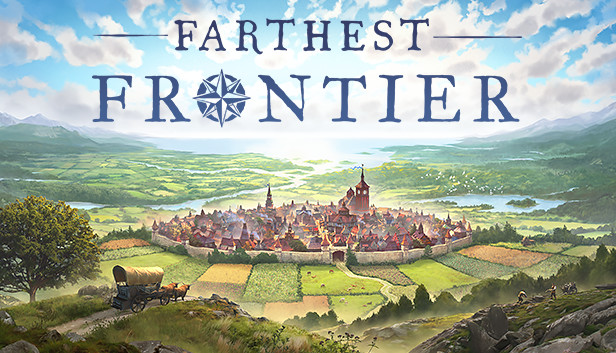
Farthest Frontier demands more than just casual city planning. It’s a layered and nuanced survival experience where one misstep can spiral into disaster. If you’re just getting started, these 10 essential tips will give you the strong foundation you need to avoid common pitfalls, preserve your people, and evolve your humble town into a thriving settlement. From overlooked mechanics to strategic placement, here’s everything I wish I had known when I first launched into the frontier.
1. Start Close to Herbs and Roots
At first glance, herbs and roots might seem like minor resource nodes scattered across the map. In truth, they’re vital. Herbs keep your citizens healthy and are also required for upgrading houses. Roots are not essential, but they do help boost villager wellness in the early game when medicine is scarce. When placing your town center, scout out areas near herb patches. It’s a subtle but powerful step toward a healthier and more prosperous population.
2. Wild Boars Must Be Hunted Manually
Here’s a mechanic that’s easy to miss: hunters will not automatically hunt wild boars, even if their cabin is placed right next to a boar spawn point. You need to manually select the hunter and assign them to hunt boars. Deer, on the other hand, are hunted automatically. If you’re relying on boars for meat or hides, take manual control—otherwise, your hunter will ignore them completely.
3. Separate Residential and Industrial Zones
Farthest Frontier penalizes you for poor city planning. Specifically, industrial buildings like workshops, tanneries, and forges reduce the desirability of nearby homes. This lowers your chances of upgrading houses and can even slow immigration and reduce tax income. The solution? Zone your city smartly—group residential buildings together in high-desirability areas and keep smokier, noisier buildings far from them. Doing so creates a clean layout and paves the way for efficient upgrades.
4. Always Leave Space for Decorations and Amenities
In early city-building games, it’s easy to jam houses together for efficiency. But in Farthest Frontier, this can cripple your town’s growth. Many amenities and decorative buildings unlock as your town center levels up, and they require space near houses to function effectively. Decorations are necessary to increase the desirability of homes, which in turn allows them to level up. Be intentional with your spacing—leave gaps for gardens, wells, plazas, and statues to ensure future upgrades don’t get blocked.
5. Prioritize Smokehouses, Preservers, and Cheesemakers
Unlike most city builders that reward food hoarding, Farthest Frontier introduces spoilage as a core mechanic. Food preservation isn’t optional—it’s mandatory. Start by building a Smokehouse as soon as possible. Later, add preservers like Cheesemakers and Crucifists (curing facilities). These extend the shelf life of food and prevent waste. Wasting food early on can cause starvation and halt your momentum. Remember: preserved food is the foundation of a stable economy.
6. Defend Valuable Structures with Walls and Towers
When bandits attack, they don’t randomly target buildings—they go straight for your most valuable assets: storages, vaults, and even decorative or amenity-rich locations. Defending these critical buildings is non-negotiable. Surround them with walls, place lookout towers or barracks nearby, and plan your defense layout thoughtfully. Losing a vault to raiders can cost you resources, morale, and precious time.
7. Maintain a Strong Food Variety
Food variety doesn’t just improve happiness—it prevents chronic illness and death. A diverse diet also contributes to housing upgrades and overall village well-being. Balance hunting, gathering, farming, and fishing to ensure your people aren’t eating the same few items. Introducing crops like legumes, grain, and fruit early ensures long-term nutritional health, and ultimately allows your citizens to flourish.
8. Produce Tools Early or Trade for Them
Tools are the silent workhorses of your town’s upkeep. They’re required to maintain and repair buildings, and if you don’t have them in stock, structures will begin to deteriorate. Start producing tools as early as your tech allows. If that’s not viable, prioritize trading for them. Keep a reserve in storage, and avoid the downward spiral of structural decay due to a missing supply of basic gear.
9. Stockpile Non-Perishables for Trade
Trading is unpredictable in Farthest Frontier—you never know when merchants will arrive. That’s why non-perishable goods make excellent trading commodities. They don’t expire, so you can stockpile them in your trade post without fear. When traders show up, you’re ready to sell instantly and profit quickly. Focus on items like pottery, tools, textiles, and furniture. Building a surplus means you’ll never miss an opportunity to boost your economy.
10. Upgrade Roads to Cobblestone ASAP
While cobblestone roads may not affect desirability, their real value lies in movement speed. Faster citizens mean more efficient productivity, quicker construction, and swifter delivery of goods. Once unlocked, prioritize converting dirt paths to stone in high-traffic areas—particularly around storage centers, industrial hubs, and markets. The visual upgrade is a bonus, but the performance gains are where cobblestone roads really shine.



 My Gaming Tutorials
Leave a comment