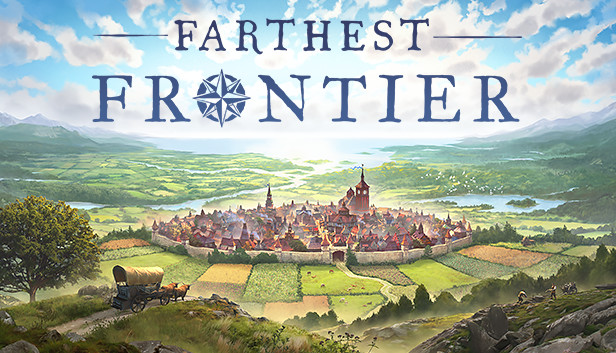
Once you’ve made it past the basics in Farthest Frontier, new challenges arise—managing advanced logistics, maximizing production chains, preserving ecosystems, and maintaining growth without collapsing under your own expansion. This advanced tips guide dives deep into overlooked mechanics, practical optimizations, and subtle strategies that make the difference between a functioning village and a thriving, self-sustaining city.
Use F4 for Node Visibility
Pressing F4 cycles through visibility modes for resource nodes—extremely useful for clay pits and mining zones. The first mode shows node locations, the second shows resource quantities, and the third disables visibility altogether. Use this to optimize placement and monitor resource depletion.
Move Blueberry Bushes to Form a Berry Farm
Scattered blueberries are a hidden goldmine. You can manually relocate them to form dense berry farms near your gatherers. They’re typically found near lakes and bogs. Use the move tool, then harvest them using a gatherer’s hut. This passive food source is perfect for supplementing early food production.
Don’t Reduce Farmers – You Can’t Add Them Back
This might be a bug, but currently, if you remove farmers from the labor pool, you won’t be able to increase the number later. Always keep your farmer count at or above the default limit. Farmers are essential not just for crops, but also for managing bee apiaries and harvesting honey.
Decoration Stacking Doesn’t Work
It’s tempting to spam decorative buildings like medium gardens to increase desirability—but it doesn’t stack. Instead, vary your decorations. Use statues, plazas, and other unique items. Placing two identical decorations next to a house won’t double the desirability effect. Use your space wisely.
Upgrade Walls in Bulk
Upgrading or rebuilding walls one segment at a time is tedious. You can speed this up by using the wall highlight tool (or press X) to select multiple wall segments at once. This lets you bulk-upgrade, salvage, or rebuild walls quickly after raids or expansions.
Furniture Workshops: High Profit, High Cost
Furniture is one of the most profitable goods in the game. For just six wood (via planks), you can produce furniture that sells for around 65 gold. However, be cautious. Furniture workshops consume massive amounts of wood—if you’re not careful, you’ll deplete your firewood reserves and risk freezing your population. Monitor your wood levels and firewood production carefully, and only run furniture workshops when you have excess supply.
Buy Resources from Traders Early and Often
Once local forests and stone deposits are depleted, it becomes painfully slow to gather them manually. Always buy stone and wood from traders early in the game to stockpile for later. You should also mass-produce and sell profitable trade goods like:
- Candles
- Shirts
- Beer
- Furniture
Never sell essential resources like bricks, tools, or soap unless you have major surpluses.
Watch for Multiple Traders
Two traders can be present at your trading post at the same time. Always check the trader tabs (e.g., Trader 1, Trader 2) to ensure you’re not missing out on deals. It’s easy to overlook one if you’re not paying close attention.
Graveyards Are Permanent – Plan Accordingly
Once placed, graveyards cannot be moved. Think carefully about their placement, keeping them away from valuable real estate or high-traffic areas. Plan a quiet corner or decorative zone specifically for long-term burial grounds.
Compost Yards – Build Many
Compost is essential for maintaining crop fertility, and waste attracts rats if left unmanaged. Build multiple compost yards, especially once your city grows. Each yard can only serve one field at a time, so if you only build one giant field, your yards won’t be able to serve efficiently. Consider splitting fields and assigning compost accordingly.
Apiaries Depend on Farmers
Honey production comes from apiaries, but it’s your farmers who harvest it. If your fields are understaffed or overwhelmed, honey collection will suffer. This ties back to keeping your farmer count high. They’re multitaskers handling fields, apiaries, and other vital work.
Forested Zones Boost Deer Spawning
Deer thrive in dense vegetation. Rather than assigning one hunter per deer spawn, you can stack multiple hunters in a forested zone to farm one deer node more efficiently. Trees provide cover, and deer won’t flee as easily. Set up advanced hunter lodges and take advantage of overlapping zones.
Fishing: Focus on Shape, Not Fish Icons
Fish icons only provide a +50% yield bonus. You don’t need to fish only near those icons. Instead, look for large water bows and coastal curves where you can get a high surface area within the work radius. These spots often outperform the “fish-marked” areas in actual yield.
Housing and Birthrate Mechanics
Even if your town says there are “200 spaces” left, birthrates may still stall. Why? Most of those are partially occupied houses. For a family to move in and reproduce, there must be a completely empty home available. Always build excess housing to encourage birthrate growth.
Create Artificial Forests to Replenish Wood
Eventually, you’ll run out of natural forests. When this happens, plant your own forests near town for controlled harvesting. It costs gold but reduces transport time and keeps deer nearby. Forests serve double duty as a wood source and a wildlife hub.
Final Word: Sustainability is the Key to Scaling
These advanced strategies elevate your city-building from reactive to proactive. From optimizing farmers and furniture to planning graveyards and managing trade, every small decision compounds as your city grows. Prioritize sustainability, respect the limits of your natural resources, and always think several seasons ahead. Whether you’re managing deer spawn, planting artificial forests, or micromanaging compost distribution—Farthest Frontier rewards careful, systemic thinking.
Happy building, and never stop optimizing!



 My Gaming Tutorials
Leave a comment