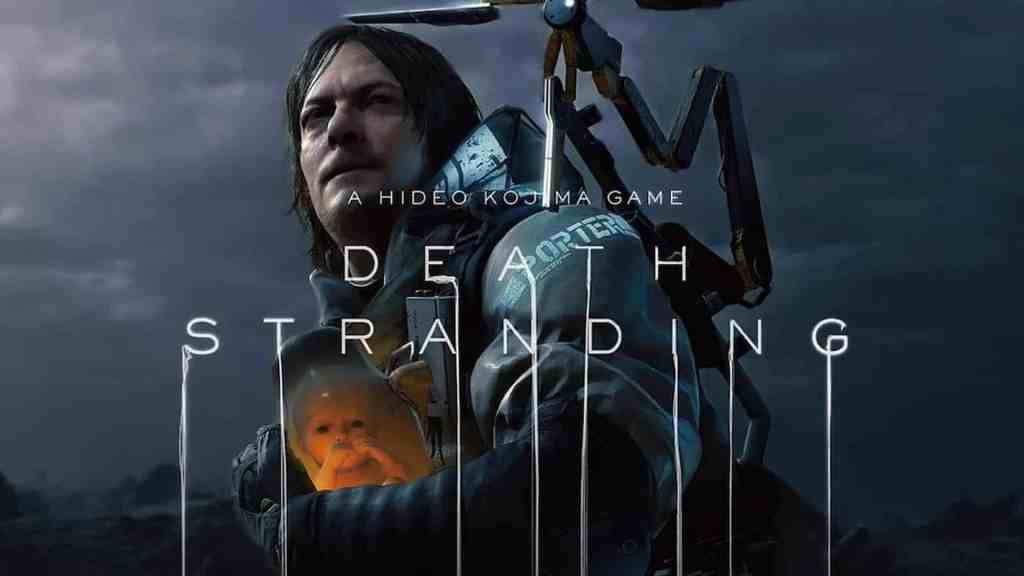
Death Stranding and its Director’s Cut edition present a wealth of mechanics that, while unique, can be overwhelming for newcomers and even veteran players. From managing cargo and navigating treacherous terrain to engaging with Beached Things (BTs) and optimizing vehicle use, this guide compiles invaluable insights, including overlooked mechanics and new strategies introduced in the Director’s Cut. Whether you’re just starting your journey or looking to refine your skills, these tips will help you master the art of delivery.
Understanding Beached Things (BTs) and Survival Tactics
Your first encounters with BTs will be intense, but mastering their mechanics is key to navigating this post-apocalyptic landscape. Your Odradek scanner and BB will help detect BTs, and if you remain still, you can even make them visible. When approaching too closely, the Odradek’s clicks will accelerate before spinning wildly—an immediate warning to back off.
A lesser-known fact about BTs is their umbilical cords. These cords tether them to their original position, meaning BTs can only roam a limited distance before being pulled back. If you outrun one, it will eventually retreat to its initial position. Getting caught isn’t the end—doing so will trigger a boss fight against a Catcher. If you manage to defeat it, you’ll be rewarded with a large number of Chiral Crystals, and both timefall and BTs will disappear from the area temporarily. If you aren’t prepared for the fight, escaping through the tar-covered arena’s edge will allow you to disengage safely.
Mastering Cargo Management and Movement Efficiency
From your very first delivery, you’ll be loaded down with cargo and introduced to grip mechanics for maintaining balance. Holding both grip buttons reduces speed slightly but provides guaranteed stability—an excellent choice for rough terrain. Alternatively, you can dynamically balance by gripping only when Sam starts to tilt in one direction, ensuring maximum travel speed.
One of the best-kept secrets for carrying heavy cargo is the crouch button. If Sam starts to stagger, immediately crouching will stabilize him, though at the cost of mobility. The first-person compass mode is another tool to help align yourself for precision movement, whether it’s making tight turns, crossing narrow pathways, or safely navigating tricky inclines.
Your Odradek scanner also provides vital information about water depth. Blue and yellow indicators mean it’s safe to cross, while red means the current is too strong and will sweep away both you and any loose cargo. If you must cross a river, gripping will reduce endurance drain, and stopping in place will allow you to regain stamina before proceeding.
Always auto-arrange your cargo for optimal weight distribution, but be mindful of special deliveries—such as pizza missions, where cargo needs to stay flat. In such cases, manual arrangement or using a truck is your best bet.
Combat and Stealth Strategies for Mules and Other Threats
Mules are aggressive scavengers who will ambush you for your cargo. If you leave your cargo outside their sensor perimeter, you can bypass their detection entirely. Mule camps are excellent locations for gathering resources, with some specializing in materials like metals or ceramics, which are crucial for building roads.
When forced into combat, your Strand tool is always available for stealth takedowns, but if you’re facing multiple enemies, melee combat options can help.
- Standard Punching Combos: Effective, but can be blocked by enemies.
- Dodging: Holding both grip buttons and jumping lets you evade attacks, leaving foes vulnerable.
- Tackling: Holding both grip buttons and attacking knocks enemies off balance.
- Cargo Combat: If you grab an enemy’s cargo during a takedown, you can use it as a blunt-force weapon.
The Director’s Cut introduces new melee moves like body slams, knee strikes, and dropkicks, further enhancing your combat repertoire.
Non-lethal ranged weapons also play a major role. The Bola Gun instantly incapacitates enemies if shot above the neck. A new addition in the Director’s Cut is the Mazer, an early-game electric weapon that provides an alternative non-lethal option with effective headshot knockouts.
Building Connections and Maximizing Equipment Efficiency
Building relationships with delivery points increases your connection rating (indicated by five stars), unlocking more tools and upgrades like vehicles, skeletons, backpack mods, and more. Active Skeletons, in particular, should be upgraded whenever possible, as they provide enhanced mobility throughout the game.
Premium Deliveries, available after Order 24, offer bonus rewards but come with stricter requirements like timers or cargo damage limits. Completing them successfully increases Legend Rank, granting more likes and faster progress toward five-star connections.
The terrain itself evolves based on how often you and other players travel across it. Frequently used paths smooth out over time, making repeated trips easier. This effect is amplified in areas connected to the Chiral Network, allowing other players to contribute to trail development.
Resource Management and Vehicle Optimization
Chiral Crystals are the ultimate maintenance resource, weighing nothing and serving as fuel for floating carriers, construction, and repairs. Clusters of crystals respawn over time, making them a renewable resource for long-term sustainability.
Used blood bags and other depleted items still take up inventory space—be sure to discard or recycle them regularly. Resting in safe houses replenishes endurance and provides a temporary 25% stamina boost if Sam drinks up to three energy drinks (please don’t try this in real life!).
For long deliveries, private lockers are essential. Items left behind disappear if you travel more than 800 meters away, so stashing excess cargo in lockers prevents unnecessary losses. Vehicles, when stored in garages, automatically repair and transfer their cargo to private lockers.
Advanced Vehicle and Structure Tactics
Early-game travel is rough, but reverse trikes offer a balance of speed and cargo capacity. To navigate bumpy terrain, hold back on the control stick to perform a wheelie, reducing resistance. Vehicles have a jump function, but this consumes battery life, so use it sparingly.
Vehicles can be repaired in garages, but a hidden trick is that changing the color scheme of a Bridges vehicle automatically restores its durability. Once available, floating carriers should always be brought along for additional cargo support. They can even be ridden downhill, allowing for quick traversal across large distances.
Mule trucks, while inferior to Bridges trucks in terms of repairability, provide an early-game method for transporting bulk materials for road construction. Speaking of roads, auto-pavers require significant resources, but they create the best routes for large deliveries. Player-built structures do decay over time, so maintaining roads and upgrading frequently used facilities is crucial.
Zip lines are another game-changing traversal method. Upgrading them increases their range to 350 meters, and in the Director’s Cut, floating carriers can be taken along for the ride, allowing seamless cargo transport over rugged terrain.
Conclusion: Keep on Keeping On
Death Stranding is all about connecting people, and its asynchronous multiplayer nature ensures that every structure, donation, and contribution enhances the experience for others. Whether you’re smoothing out paths, upgrading zip lines, or donating excess cargo, your actions leave a lasting impact on the game world.
By mastering terrain navigation, optimizing inventory management, and leveraging the game’s cooperative elements, you can transform your delivery experience into something efficient, rewarding, and even relaxing. And remember—roads may take effort to build, but they make every future journey smoother.
For even more Death Stranding insights, be sure to check back for updates and new strategies. And as always, keep on keeping on.



 My Gaming Tutorials
Leave a comment