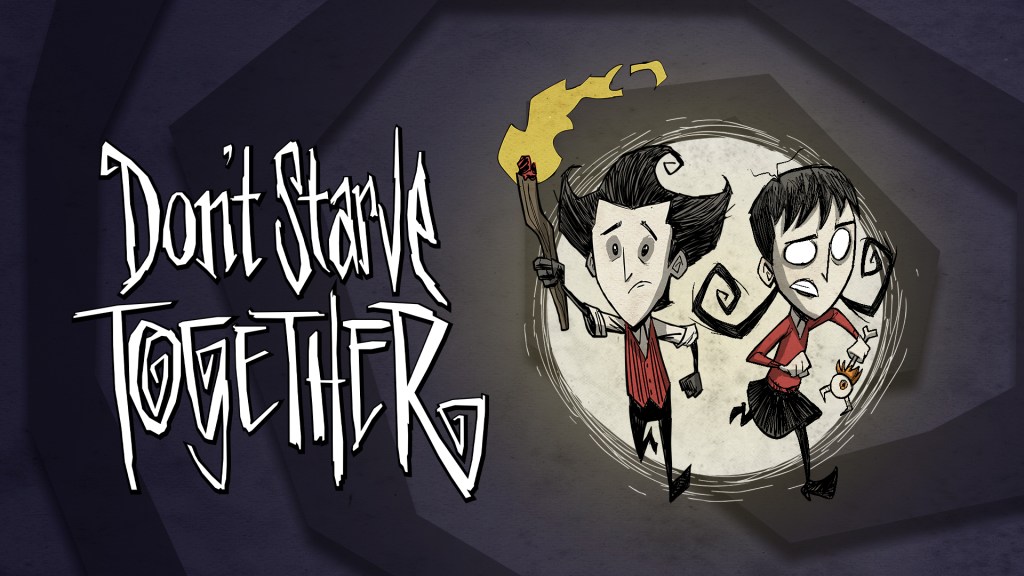
Don’t Starve Together is a game that can be daunting for new players, with its steep learning curve and punishing survival mechanics. However, by learning from early mistakes and adopting a few essential strategies, beginners can quickly get the hang of it. In this guide, we’ll break down some crucial survival tips to help you establish a strong foothold in the game, covering everything from early exploration to combat tactics.
Don’t Rush to Build a Base
One of the biggest mistakes new players make is feeling pressured to establish a base too soon. Unlike many survival games, there’s no immediate need to build a fire pit or even a campfire on the first night. The night cycle on day one is incredibly short—only about 60 seconds—so crafting a torch is a far more efficient use of resources. A torch allows you to stay mobile, avoid unnecessary deforestation for logs, and still provide enough light to ward off darkness.
Moreover, early base-building can limit your exploration. The world of Don’t Starve Together is vast, and a large part of surviving long-term is knowing where essential resources and landmarks are. Instead of tethering yourself to one spot too early, use your first several days to scout the world. Locate key areas such as the Pig King, Oasis, MacTusk Camps, Beefalo herds, and sinkholes. Winter doesn’t arrive until after day 20, so there’s no rush to hunker down.
Managing Hunger and Sanity Efficiently
New players often panic about food scarcity when, in reality, you can go at least a full day without eating anything. Most characters begin with twice the amount of hunger they need for one day, and even consuming just six raw carrots or roasted berries is enough to sustain you. Instead of frantically hunting for food, use your first days to explore and gather essential survival materials like grass, twigs, flint, and gold.
Similarly, sanity is not something to overly stress about early on. You’ll naturally lose about 20 sanity per day unless you engage in activities like digging graves, but sanity can easily be restored through prototyping new items. Many new players waste time crafting Garlands, thinking they’re a necessity for sanity management, but they’re essentially useless. Instead, embrace the occasional insanity—learning how to fight shadow creatures is a valuable skill, and nightmare fuel is an essential resource for late-game crafting.
Stay Mobile, Even in Darkness
Sitting by a fire pit all night is a common mistake that leads to wasted time. Some nights, especially in winter, can last for more than a third of the day, and simply waiting it out is inefficient. Instead, use torches or craft a miner’s hat to remain active during the night. If you’re worried about safety, wearing a log suit provides additional protection. A hot thermal stone can also serve as an emergency light source, emitting just enough glow to prevent Charlie from attacking you.
On the topic of visibility, rotate your screen often. If you’re always walking toward the screen, you limit your field of vision, missing key objects hidden behind trees and rocks. Adjusting your perspective regularly helps you spot valuable resources and potential threats more effectively.
Mastering Inventory Management and Quick Controls
Efficient inventory management is crucial for long-term survival. Organizing your inventory so that weapons, armor, and light sources are in the first few slots allows for quick switching via hotkeys, making combat and multitasking much easier. Using shift-clicking can also help streamline transferring items between storage containers, like chests, iceboxes, and crock pots.
Another invaluable trick is control-clicking, which allows you to quickly pick up or deposit individual items from a stack. This feature is incredibly useful when you only need a single item from a pile instead of carrying the entire stack.
Resource Gathering: Grass, Twigs, Flint, and Tumbleweeds
Some resources, like grass, twigs, and flint, are essential throughout the entire game, so it’s important to collect them constantly. Tumbleweeds, found in the desert biome, provide an efficient way to stockpile resources quickly. Not only do they contain useful materials like grass and twigs, but they also have a chance of yielding rare items such as gears, silk, blueprints, and gems.
When you do decide to establish a base, consider digging up and replanting grass tufts and twig saplings to ensure a steady supply of these critical materials. To make your base look organized and structured, using the Geometric Placement Mod is highly recommended—it makes base-building significantly easier and more visually appealing.
Farms vs. Berry Bushes: What’s the Better Investment?
New players often think that farms are a great food source, but in reality, they’re inefficient. Even basic farms require valuable resources to build, and their slow yield makes them a poor choice compared to other food sources. Instead, prioritize collecting and replanting berry bushes, which provide a more consistent supply of food. Not only do berry bushes give you an ample source of berries, but they also attract gobblers, which can be killed for drumsticks—an easy source of meat.
Dealing with Hound Attacks
Hound attacks are one of the first major threats new players will face, but they’re manageable if approached correctly. By around day 8, you should craft a basic weapon, such as a spear, and be prepared for the first hound wave. The first attack will only spawn a couple of hounds, which arrive one at a time, making it an excellent opportunity to practice kiting techniques. Generally, hitting twice and then dodging is an effective combat strategy.
As hound waves increase in difficulty, alternative strategies become necessary. Using Beefalo herds to fight them off or setting up tooth traps are great long-term solutions, but you don’t need to worry about these in the early game.
Final Thoughts
Surviving your first days in Don’t Starve Together is all about balancing exploration, resource gathering, and smart decision-making. Avoid the common pitfalls of rushing base-building, panicking over hunger, or wasting time sitting by a fire. Keep moving, take advantage of key mechanics like hotkeys and inventory shortcuts, and don’t be afraid to fight shadow creatures or hounds when necessary. With time and experience, these survival skills will become second nature, setting you up for long-term success in the game.
If you’re still struggling with specific aspects of the game, feel free to drop a comment on what’s giving you the most trouble. The world of Don’t Starve Together is vast, and every player’s journey is different. Stay resourceful, keep learning, and happy surviving!



 My Gaming Tutorials
Leave a comment