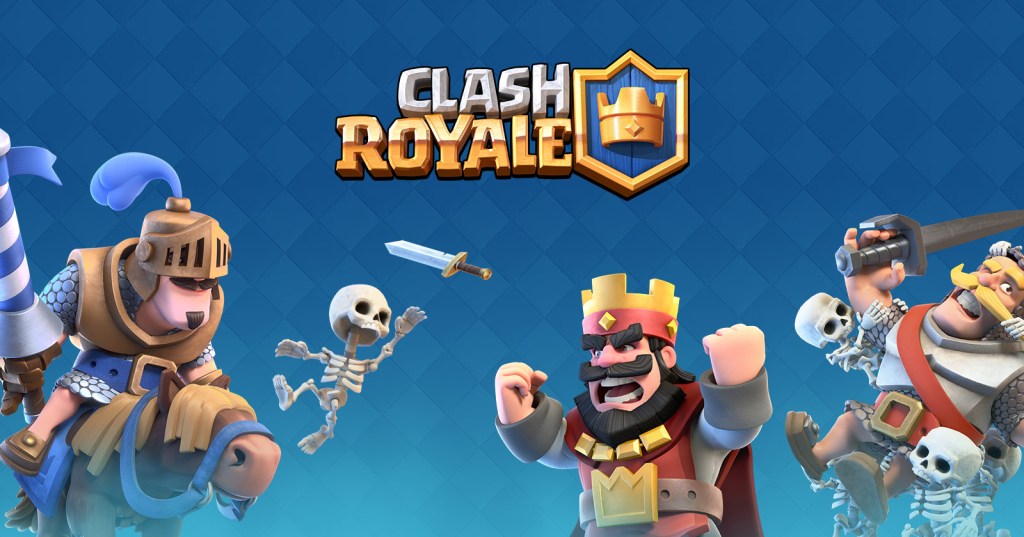
Mid-ladder in Clash Royale is a completely different experience from top-tier gameplay. Instead of skill dictating the outcome, card levels reign supreme. Overleveled cards, brute-force strategies, and a lack of proper game mechanics define this chaotic battleground. But what actually makes a mid-ladder card? And why do mid-ladder players play the way they do? Let’s break it down!
1. What Defines a Mid-Ladder Card?
Not all overleveled cards thrive in mid-ladder. Some scale disproportionately with levels, making them significantly stronger than their counterparts. The key traits of a mid-ladder card include:
A. Splash Damage
Splash damage is the king of mid-ladder. Why? Because overleveling makes single-target cards ineffective against swarms.
- A level 15 P.E.K.K.A might still die to a lower-level Skeleton Army, making its overleveling pointless.
- A level 15 Mega Knight, on the other hand, can crush a lower-level Mini P.E.K.K.A in one jump, making its overleveling impactful.
This explains why Wizard is everywhere in mid-ladder. His splash damage, when overleveled, functions almost like high DPS, making him seem better than he really is. Meanwhile, Musketeer—despite being great in high ladder—doesn’t scale well when overleveled since her single-target damage doesn’t bypass swarms.
B. High HP and Tankiness
Survivability is key in mid-ladder, where interactions are rarely optimal.
- Upgrading an Electro Giant adds 500 extra HP, meaning he can survive multiple additional hits.
- Upgrading Skeletons only gives +11 HP, which does nothing if they die in one shot anyway.
- This is why tanks like Electro Giant and Mega Knight dominate mid-ladder: they make up for poor defense with raw stats.
C. Speed & Catching Opponents Off Guard
Fast cards work well in mid-ladder because most players react slowly.
- If an opponent plays Three Musketeers in one lane, an Elite Barbarians bridge spam is more likely to reach the Tower before they can counter it.
- Slower cards like P.E.K.K.A take too long, giving the opponent time to react and build Elixir.
- Fast cards capitalize on mid-ladder’s lack of defense skills—most players simply can’t react in time.
2. Mid-Ladder Players and Their Aversion to Buildings
Mid-ladder players hate buildings, and they almost never use them. Why?
A. Poor Placement Skills
Defensive buildings need proper placement to counter different win conditions:
- Hog Rider requires one pulling position.
- Giant requires a different pull.
- Balloon has yet another unique placement.
With all these variations, mid-ladder players just ignore buildings altogether. They’d rather pick Inferno Dragoninstead of Inferno Tower because it’s easier to use on offense.
B. All-Out Offense Mentality
Most mid-ladder decks run multiple win conditions (sometimes three or more!).
- Hog Rider, Royal Giant, and Balloon in the same deck? Perfectly normal in mid-ladder.
- Why defend when you can just spam attacks?
To mid-ladder players, buildings seem like a waste of a card slot since they don’t help them apply pressure. Defense is secondary—getting three crowns is the priority.
3. The Mid-Ladder Approach to Defense
Since they don’t use buildings, mid-ladder players rely on brute-force defense:
- Overleveled Mega Knight to tank everything.
- Wizard + Arrows to wipe out swarms.
- Inferno Dragon instead of Inferno Tower for “defense.”
Instead of optimizing defenses with precise timing, they just drop high-cost units and hope for the best.
- They don’t wait for enemy units to cross the bridge before defending, so their Tower doesn’t help.
- Kiting and troop management? Never heard of it.
- Cheap defensive interactions (like Ice Spirit for Musketeer)? Too boring.
This results in high-cost, inefficient defenses that often don’t work but are much easier to execute.
4. How Mid-Ladder Players Choose Their Cards
Mid-ladder players pick cards based on looks, not strategy.
- Lava Hound sucks because it doesn’t do damage by itself.
- Mega Knight is great because he jumps and does big damage.
- Elite Barbarians are “unstoppable” because they destroy Towers in seconds.
They don’t think about synergies—just individual card strength. This is why mid-ladder decks often feature 8 overleveled cards with no synergy.
5. Spells in Mid-Ladder: The Only 3 That Matter
Mid-ladder players avoid spells because they’re hard to aim. But there are three exceptions:
A. Arrows
- Why it’s used: Giant radius makes it hard to miss.
- Purpose: Firecracker and Minion Horde make mid-ladder players rage, so they always run Arrows.
B. Zap
- Why it’s used: Resets Inferno Tower and Inferno Dragon.
- Purpose: Prevents Mega Knight from getting melted by Inferno damage.
C. Log
- Why it’s used: Prediction skeleton army counter for Elite Barbarians first-play bridge spam.
- Purpose: Used exclusively for offense, not defense.
Other spells require precise timing (like Fireball or Rocket), so they’re often ignored.
6. What Actually Makes a Mid-Ladder Deck?
Just having Mega Knight doesn’t make a deck mid-ladder—it’s about how the deck is built.
- Mid-ladder players don’t think about synergies.
- They focus on individual card strength.
- Their decks lack structure or a clear win condition.
If you ever see a deck with Mega Knight, Elite Barbarians, Wizard, and Balloon, it’s almost guaranteed to be a mid-ladder deck.
Final Thoughts: The Mid-Ladder Mindset
Mid-ladder is pure chaos—where levels matter more than skill. Understanding how these players think gives you a massive edge.
- Expect little defense—focus on punishing their misplays.
- Use buildings and control decks—they won’t know how to counter them.
- Exploit their lack of defensive mechanics—force them to overspend on inefficient defenses.
By understanding the psychology of mid-ladder, you can outplay and counter them every time. Now go climb the ladder and escape mid-ladder hell! 🚀

 My Gaming Tutorials
Leave a comment