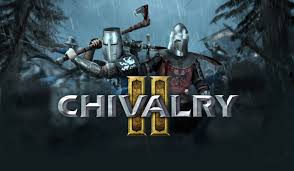
When blades clash in Chivalry 2, the raw chaos of war fades away, leaving behind something more refined—a duel. A space where timing, mind games, and mechanical finesse meet in a tight, elegant dance. Whether you’re battling in a 1v1 arena or isolating an opponent on the battlefield, mastering the mechanics of dueling will raise your game like nothing else.
This guide breaks down key strategies, moves, and mental approaches to help you outplay and outlast your opponents in head-to-head combat.
Understanding the Fundamentals: Four Attacks and Initiative
At its core, Chivalry 2 gives you four main types of attacks:
- Slash
- Stab
- Overhead
- Special
Each has its role and purpose in a duel. What truly separates high-level players from casuals, however, is their grasp of initiative—your control over the rhythm of the fight.
You can gain initiative in several ways:
- Landing the first hit
- Using a jab or kick effectively
- Successfully blocking and retaliating
Starting a duel with aggression—charging in and swinging first—can secure immediate momentum. But it’s a gamble. If you’re late or misread the distance, your opponent can punish you easily. The more consistent method? Let them strike first, block, then counter.
Blocking Without Panic: Timing is Everything
While blocking is essential, overusing it will get you into trouble. There are two common traps:
- Turtling: Holding block too long, exposing you to kicks.
- Panic blocking: Tapping block when no threat is incoming, draining your stamina or setting yourself up for feints.
Instead, be calm. Use your block reactively—not preemptively—and always have a plan ready after a block. Are they likely to dodge, swing again, or hold? Anticipate.
Ripostes vs. Counters: Know the Difference
- A Riposte is triggered by attacking immediately after a successful block. It’s fast and aggressive, but predictable. Experienced players will block or even counter it.
- A Counter must be started before the enemy attack lands, by mirroring their attack type. If you succeed, it refunds stamina and provides longer active parry duration—making it ideal for longer engagements or 1vX fights.
Counters require sharper timing and better reads, but the payoff is massive. Learn to distinguish when a counter is viable versus when a riposte is safer.
Jabs, Kicks, and the Mind Game
Defensive tools like jabs and kicks are critical:
- Jabs interrupt enemy attacks—great for shutting down windups.
- Kicks break blocks—ideal against turtlers or panic blockers.
Combine these with faints for devastating results. For example:
- Slash → Overhead (Right Trigger + Left Bumper)
- Slash → Stab (Right Trigger + Right Bumper)
- Slash → Kick (Right Trigger + B)
Timing faints after a block or dodge is especially effective. You’re capitalizing on the brief hesitation or misread your opponent makes in response.
Advanced Combos and Reactions
One standout combo is:
- Slash → Kick Feint → Stab
This opens with aggression, feints into misdirection, and finishes with a punish. But remember, your combos should never be static. Adjust based on what your opponent does, not what you planned.
If they tend to dodge backward, bait them with a missed swing and follow up with a chase-down stab. If they always parry your ripostes, switch to counters or faint-heavy sequences. Keep them guessing.
When to Throw (Literally)
Weapon or shield throws are situational but lethal tools:
- Best used after knocking an opponent down or when they’re low on health.
- Works well at medium to close range.
Miss, and you risk disarming yourself. But land it, and you might finish a duel before they even stand back up.
Chess, Not Chaos: Staying a Step Ahead
Dueling in Chivalry 2 isn’t just about mechanics—it’s mental warfare. Learn your opponent’s patterns. Are they aggressive on wake-up? Do they faint every second swing? Do they turtle when pressured?
Adapt. Predict. Punish. Like chess, every move invites a counter—until one of you runs out of answers.
Why 1v1 Duels Make You Better
The 1v1 Arena is the perfect place to refine your craft. It strips the chaos and forces you to focus on fundamentals: timing, spacing, reaction, and adaptation. The skills you gain here translate directly into team modes, especially when isolated or flanked.
Final Thoughts
Dueling in Chivalry 2 is its own art form. It rewards precision, patience, and adaptability. Every strike is a question. Every block is a conversation. And every victory is earned through a blend of aggression, intelligence, and restraint.
Master the duel, and you’ll master the battlefield.
See you in the arena.

 My Gaming Tutorials
Leave a comment