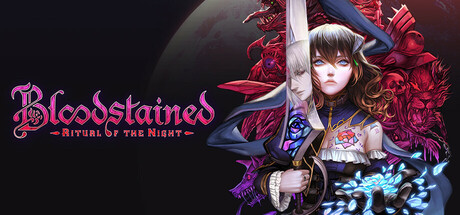
Within the hauntingly beautiful world of Bloodstained: Ritual of the Night, not all moments are battles and loot. Some of the most compelling parts are quieter—centered around character interaction, growth, and trust. This section of the game, focusing on the train event, the mysterious OD, and the evolving bond between Miriam and her allies, presents one such moment. Here’s a breakdown of this segment and its narrative weight within the broader game.
A Gifted Reader, A Lending Librarian
The enigmatic Orlok Dracule (OD), Bloodstained’s vampire librarian, exudes mystery and aristocratic charm. Early in your interactions with him, OD limits the number of tomes you can borrow. But as your relationship deepens—through key story progression and completing character moments—he begins to offer more privileges:
“You’re quite the avid reader. I suppose it’s only fair I’d let you borrow more books at once.”
These lines reflect not just a game mechanic upgrade, but also a subtle nod to trust being earned. OD may be aloof, but he respects strength and commitment. Once you’ve proven yourself trustworthy—most notably after completing the photograph sequence—he rewards you with access to additional buffs in the form of borrowed tomes.
His parting line is always the same:
“Be certain to return what you borrow. This is a library, not a bookshop.”
It’s humor, but it underscores his sense of order, decorum, and values—even in a crumbling world.
The Photograph and Credentials
One of the game’s more understated yet meaningful quests involves creating a photograph of Miriam to gain train access. This sequence features surprisingly personal dialogue. Dominique’s role here shifts briefly from shopkeeper to makeshift photographer, complete with the awkward realism of trying to smile on command:
“Relax. You look too serious. It’s not easy to smile on command, you know.”
Despite the light tone, this scene reveals much. Miriam’s stoicism cracks for a moment. When she sees the photograph:
“It looks exactly like me. How strange.”
A subtle yet poignant moment—it hints at a loss of self, perhaps, or a realization of how far she’s come. And it’s this photograph that earns her the credentials needed to board the train. OD accepts the image, crafts the proper paperwork, and finally says:
“You’ve proven yourself trustworthy. Feel free to take out more books at once if you like.”
It’s a completion of a cycle—trust earned, recognition gained.
The Train Event: Tension, Truce, and Partnership
Perhaps the most cinematic and dynamic mid-game event, the train ride injects adrenaline into the story. Miriam finds herself needing access to a powerful transport vehicle, and Zangetsu is already there. But instead of sparks flying, there’s an unexpected truce:
“Wait—I didn’t come here to fight.”
“Then you should not have come at all… but our clash may have to wait.”
What follows is an agreement: mutual goals require cooperation. Zangetsu cannot bypass the magical barriers due to sorcery, but Miriam can. The two team up—not by choice, but by necessity.
This moment shows Zangetsu’s grudging respect for Miriam’s abilities, even if he’s not ready to voice it outright. As they board the train together, there’s a fleeting alliance—both understanding that the stakes are bigger than their differences.
And when the dust settles:
“You have my thanks.”
“Save your thanks. I didn’t do it for you.”
“Fine. But I owe you all the same.”
It’s classic character chemistry. Rough, raw, and real. Zangetsu acknowledges Miriam’s strength, and in doing so, offers her something he rarely gives: respect.
Closing Thoughts
This segment of Bloodstained is so much more than a means to access a new area or earn buffs. It’s layered with meaning—small acts of recognition, earned trust, and emotional honesty between characters. Whether it’s the carefully composed photograph, the stern but respectful OD, or the uneasy truce with Zangetsu, the sequence is a highlight of the game’s narrative design.
It doesn’t shout at the player. Instead, it quietly says: These people matter.
And in a castle full of demons, sometimes that’s the most powerful thing of all.

 My Gaming Tutorials
Leave a comment