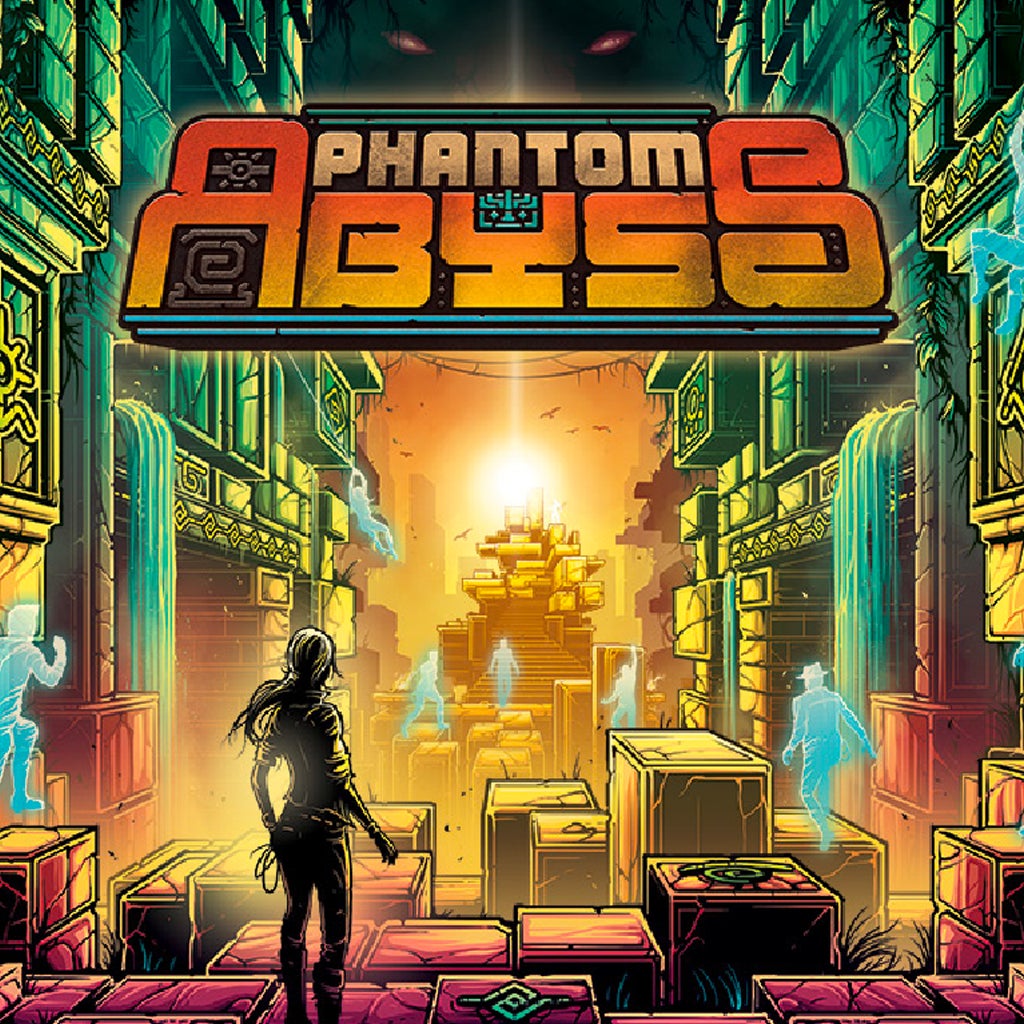
Welcome back to Phantom Abyss 101, your go-to series for everything from pro speedrunning tips to hidden details and lore deep-dives. Today’s guide dives into something you’ve probably noticed but might not have fully understood: the colors throughout the game and what they mean. Whether you’re chasing relics or deciphering the deeper world of the Abyss, this visual language matters more than you’d think. Let’s break it down.
The Three Guardians and Their Colors
At the core of Phantom Abyss are its Guardians—those relentless, ancient enemies that pursue you through temples. Currently, there are three, each associated with a specific color and difficulty tier:
- The Masked Defiler (Green) – The projectile-shooting menace that players often encounter early on. Linked to Tier 1 (Ruins), this guardian represents the easiest tier, both in challenge and structure.
- The Eye of Agony (Blue) – A zapping eyeball tied to Tier 2 (Caverns), this Guardian brings a medium difficulty and faster challenge pacing.
- Devouring Rage (Red) – The infamous “huggy boy,” representing Tier 3 (Inferno), where the heat, the traps, and the pressure all ramp up. Widely considered the most dangerous—at least in terms of intensity.
It’s no coincidence that these colors are tied to the tiers. The developers designed this system to give players visual cues that reflect their environment, threat level, and progression.
How the Colors Affect the World Around You
Now here’s where things get especially interesting. Once you know your Guardian’s color, you’ll start to notice how that color is echoed throughout your run:
- Fires Change Color – This is the most immediately noticeable. Green fire means you’re facing the Defiler. Blue flames? That’s the Eye. Red infernos? You’ve got Devouring Rage on your heels.
- Trap Tinting – The vast majority of traps (falling blocks, spike traps, spinning blades, rolling death traps—aka “Beyblades”) also shift their appearance based on the Guardian’s color. Spinning fans and hammers are the exception.
- Guardian Face on the Door – At the end of each floor, when you’re given the option to go deeper or move on to the next tier, the doors display the face of the Guardian currently pursuing you. It’s not functionally essential—but it’s thematically awesome.
Together, these subtle environmental changes keep each run feeling fresh, even when room layouts repeat. The color themes help reinforce the lore, danger level, and immersive identity of each tier.
Why It Matters (Even If You Think It Doesn’t)
Sure, none of this directly affects gameplay mechanics—you won’t jump higher in a blue room or get bonus gold in a green one. But understanding these visual cues has indirect benefits:
- Immediate Threat Recognition – Forgot which Guardian you’re up against? The traps will remind you.
- Immersion & Worldbuilding – The consistency in color theming adds to the mystical, layered feeling of the temples.
- Evolving Aesthetic – It’s just cool. And cool matters. Aesthetics fuel your engagement, and your awareness of these changes can enhance your appreciation for the design work.
For players who are colorblind (like the creator of this video), these cues may be subtle, but they still exist in form and lighting shifts. It’s an extra bit of polish that shows the devs’ care.
The Bigger Picture: Hidden Lore and Language
But the color coding is just the surface layer. Let’s peel it back.
Phantom Abyss is rich with lore—and one of the most tantalizing threads right now is the hieroglyph language scattered across the temples. These symbols aren’t just decorative. They’re a fully constructed written language. One designed by the dev team with intent, meaning, and mystery.
Current theories (based on ongoing community decoding efforts) suggest the glyphs revolve around themes like:
- Creation theory and divine hierarchy
- A rise-and-fall cycle of ancient godlike beings
- Ritual sacrifice and its obsessional importance
And yes, there are whispers of a fourth Guardian—a new tier, or perhaps a hidden lore character referenced only through these cryptic markings. We don’t have the full picture yet, but each glyph adds to the growing understanding.
Expect a dedicated video soon unpacking all of this. For now, just know that the world of Phantom Abyss runs far deeper than spikes and treasure. There’s narrative DNA woven into every statue, symbol, and scorch mark.
Final Thoughts: A Colorful World with Meaning
The color system in Phantom Abyss might seem like a small touch, but it speaks volumes. It’s a visual storytelling device, a mechanical cue, and a nod to the game’s ever-growing mythology. When combined with the lore-rich glyphs and symbolic guardians, it hints at a world full of purpose and mystery.
If you learned something new today, or if you’re seeing the game with new eyes (and flames), make sure to check out the full Phantom Abyss 101 playlist. There’s a ton more content waiting—speedrunning strategies, hidden tricks, future features, and yes, even the secrets of the hieroglyphs.
Stay safe in the Abyss, stay hydrated, and remember: if the flames are red, it’s not just the atmosphere getting hotter—it’s the Guardian, and he’s coming for you.

 My Gaming Tutorials
Leave a comment