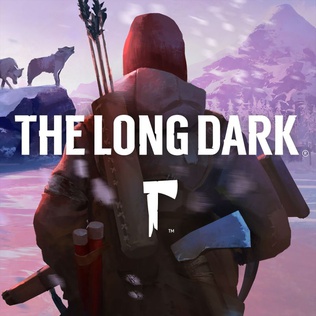
The Long Dark is a deeply atmospheric survival experience that places you in the frozen wilderness with one goal: stay alive. But before you make your first fire or spot your first wolf, the most important decision you’ll make is choosing the right game mode and difficulty. Each mode offers a unique approach to survival — from narrative-driven exploration to intense resource scarcity and punishing weather.
This guide will walk you through the available game modes and difficulty levels so you can find the perfect starting point for your journey into the quiet apocalypse.
STORY MODE: Wintermute
If you love narrative, characters, and a guided experience, Wintermute is the place to begin.
In this episodic story mode, you’ll follow Will Mackenzie and Astrid Greenwood as they navigate a post-disaster world shaped by a mysterious geomagnetic storm. This mode blends survival mechanics with a compelling narrative, easing you into the game’s systems while delivering story-rich content.
- Best For: New players, lore-lovers, and anyone wanting to learn mechanics in a more forgiving, structured environment.
- Highlights:
- Frequent autosaves and checkpoints.
- Guided objectives.
- Easier survival pace with narrative integration.
If you want survival with a side of emotional storytelling and world-building, Wintermute is your entry point.
SURVIVAL MODE: The Core Sandbox Experience
This is The Long Dark at its purest — a true sandbox where you set your own goals, create your own story, and try to last as long as you can.
- No narrative guidance — just you against the elements.
- Dynamic conditions including weather, wildlife, and loot variation.
- Permadeath mechanic after three saves (on default): once you die beyond that, your save is deleted.
Every decision matters. Whether you push into a storm to reach shelter or burn your last match to cook a rabbit, your fate is yours to shape.
- Best For: Players seeking replayability, challenge, and creative survival scenarios.
Now let’s break down the different difficulty levels in Survival Mode:
PILGRIM: Gentle Exploration
Perfect for total beginners or those seeking calm, Pilgrim mode removes most threats.
- Wildlife is passive unless provoked.
- Weather is mild.
- Loot is plentiful.
- All tools, weapons, and clothing are available.
This is an ideal way to:
- Learn how to navigate.
- Understand survival mechanics.
- Get comfortable with regions before diving into harder modes.
If you’re new to The Long Dark and want a low-stress introduction, start with Pilgrim.
VOYAGER: Balanced Survival
Voyager steps things up with a healthy mix of exploration and danger.
- Wolves and bears are present and dangerous.
- Resources are less abundant.
- Weather can turn against you.
You’ll still find guns and all items, but surviving now requires better awareness and planning.
Choose Voyager if:
- You’ve outgrown Pilgrim.
- You want to experience the tension of survival with a safety net.
STALKER: The Real Test Begins
Welcome to Stalker, where things get serious.
- Wildlife is aggressive and numerous.
- Resources are notably scarcer.
- Every move must be calculated.
You still have access to all major tools, clothing, and weapons, but now you must earn your survival.
Choose Stalker if:
- You want intense wildlife encounters.
- You’re ready to feel the pressure of each decision.
INTERLOPER: Brutal Realism
Interloper is where veteran players go to suffer — and grow.
- No guns. You must craft all weapons.
- Resources are at their scarcest.
- Weather is relentless.
- You start with nearly nothing.
This mode is a true test of mastery. You’ll need to:
- Learn crafting and hunting with the bow.
- Prioritize route planning.
- Know which structures have the highest loot value.
Choose Interloper if:
- You’ve mastered the maps and mechanics.
- You crave unforgiving challenge.
MISERY MODE: The Ultimate Gauntlet
The most punishing official difficulty. Misery Mode takes Interloper and layers on permanent ailments that debuff your character over time.
- You face random, timed conditions that lower your stats.
- Even fewer resources.
- No room for error.
Choose Misery if:
- You’ve conquered Interloper.
- You want to test your mental resilience and creativity.
CUSTOM MODE: Make It Yours
Want to blend aspects of two difficulties? Customize your own.
Custom mode lets you:
- Adjust loot, weather, wildlife aggression, fire duration, and more.
- Bridge the gap between difficulties.
- Create relaxed or hardcore experiences.
There’s also a community of shared custom codes that let you jump into creative and challenging setups inspired by other survivors.
Use custom mode to:
- Experiment.
- Gradually increase your difficulty.
- Create personal challenges and roleplay scenarios.
CHALLENGES: Survival With a Twist
The Long Dark also includes official timed/objective-driven challenges:
- The Hunted: Survive while being stalked by a bear.
- Whiteout: Gather supplies before a storm hits.
- And more.
These challenges are great for sharpening specific survival skills and trying curated, high-stakes scenarios.
Final Advice: Start With Pilgrim, Build From There
If you’re still unsure, start with Pilgrim to get a grip on the mechanics and maps. From there, step up to Voyager or experiment with Custom Mode. You’ll know when you’re ready to move on.
Survival in The Long Dark is a personal journey. There’s no “right” way to play — only the way that keeps you learning and immersed.
So whether you’re storytelling in Wintermute, eking out life in Interloper, or tweaking sliders in Custom Mode — just remember: stay warm, stay aware, and keep surviving.



 My Gaming Tutorials
Leave a comment