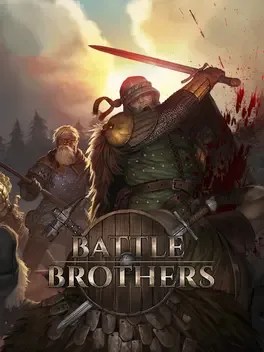
Welcome back to the second part of this tactical mini-series on Battle Brothers. In the previous video, we broke down battlefield types and how to approach them like a strategist. Today, it’s all about the long game—building a roster that gets you through the early mud, survives the mid-game grind, and thrives in the brutal late game.
Let’s be clear: this isn’t about the successful roster—it’s about building your roster for success. There’s no one meta that rules them all, but there are tried-and-true principles that can carry you deep into a campaign. Let’s go phase by phase.
Early Game: Survive and Scout Potential
Your goal in the first 10–30 days is simple: don’t die and start identifying your future stars. At this point, your access to gear and strong backgrounds is limited. A typical early game layout looks like:
- Frontline-heavy ratio: 4:1 or even 5:1 front to back. You simply don’t have enough reliable ranged or polearm options.
- Spears and swords dominate due to their +accuracy. A 50-skill recruit swinging a fancy weapon won’t hit anything. Use spears, swords, or flails (which ignore shield bonuses) to offset poor stats.
- Backliners: Usually polearms or placeholder ranged bros with low skill who later transition to melee or support roles.
Roster Tips:
- Double Grip > Shields for most bros. You get 25% more damage—like a permanent Killing Frenzy. Only use shields on tanks or expendables.
- Cleavers vs. Undead: Even tier-1 cleavers can decapitate zombies, stopping necromancer revives.
- Daggers for Everyone: Everyone should carry one for puncturing armorless enemies and preserving loot.
- Identify Value: Start assigning nicknames like “early front,” “whip,” “don’t die,” to track growth potential.
- Protect Your Best Bros: Hide the ones with good stars or traits (Iron Lungs, Gifted, etc.) behind tankier fodder.
Mid Game: Stabilize and Specialize
By day 60–100, you’re entering fights against tougher enemies: orc warriors, unholds, goblins. Your roster needs to evolve.
Typical Formation:
- 6–7 frontliners, 4–5 backliners.
- Backline includes leveling future frontliners, polearms, and hybrids.
Key Priorities:
- Begin defining roles: Build toward tanks, duelists, two-handers, or support roles.
- Tank Investment: 2–3 high-melee defense bros with Indomitable or Nimble to anchor flanks.
- Adopt Nimble: Raider gear is lightweight, Nimble is now a huge value pick. Most frontliners benefit from Nimble unless they’re geared for Battle Forged.
- Weapon Upgrades:
- Double Grip Arming Swords / Maces / Axes / Flails
- Polearms: Upgrade from pikes to billhooks (better armor damage)
- Battle Standards and utility gear now become worth considering
Advanced Roster Management:
- Keep bringing cleavers to undead fights.
- Stockpile kite shields for goblin and marksman-heavy battles.
- Have build plans in mind—don’t waste levels on someone without long-term use.
- Start recruiting aggressively—rotate out low-potential bros.
- Escort caravans, raid camps, and seek famed items to boost power.
Mid game is about taking shape. You’re still limited by gear, but your perks and stat growth start unlocking real synergy.
Late Game: Execute the Vision
You’ve made it. By now you’re pushing day 150+ and the map is opening up. Your roster should be solidified, with most brothers fully built.
Typical Layout:
- 8 front / 4 back or 9 front / 3 back, depending on ranged presence.
- 3 tanks: One per flank, one central.
- Frontline mix: Duelists, two-handers, tanks.
- Backline: Hybrids, support polearms, reserves, and maybe one thrower or sling if you’re experimenting.
Characteristics of a Late Game Roster:
- Everyone has weapon spec and a focused build.
- Perks like Killing Frenzy, Fearsome, Indomitable, Berserk, Dodge are all online.
- Gear quality is high: famed weapons and armor, Nimble and Battle Forged builds running in parallel.
- Backliners aren’t placeholders—they’re fully trained specialists.
Key Tactics:
- Rotate in reserves to deal with injuries.
- Drop cleavers if you have enough weapon diversity to handle undead.
- Tweak for preference: Some players run 2 tanks, others 3. Some keep ranged units, some go full melee.
- Adrenaline-heavy builds are viable for aggressive strategies.
Example Ideal Roster:
- 3 Hybrids (polearm/sling/throwing variants)
- 3 Tanks (Indomitable/Nimble or Battle Forged)
- 6 Duelists / Two-Handers
- 1 Banner Carrier
- Mix in utility builds: fearsome flail, fencer, axe specs, etc.
Late game is where Battle Brothers becomes wide open. Your creativity, gear, and builds matter more than rigid templates.
Final Thoughts
You don’t need the “perfect” roster—just a clear, evolving plan.
- In the early game, survive and identify future talent.
- In the mid game, specialize and gear up while rotating in fresh recruits.
- In the late game, execute the strategy you’ve been building toward.
Roster building is fluid. Use what you’ve got, adapt to what you find, and above all—plan ahead. Knowing who to protect, who to develop, and who to replace is just as important as what gear they wear.
In the final part of this series, we’ll explore how to dominate the battlefield using terrain and zone control. Until then—stay tactical, and happy hunting!


 My Gaming Tutorials
Leave a comment