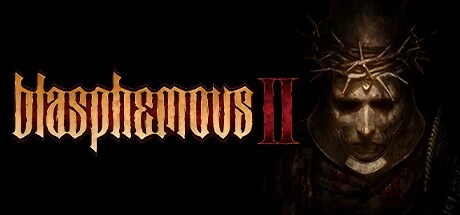
Blasphemous 2 challenges players to brave a grim, intricately designed world filled with peril, secrets, and divine punishment. As a follow-up to its critically acclaimed predecessor, this title does not hold your hand. Instead, it rewards curiosity, experimentation, and persistence. In this beginner’s guide, we’ll walk through the most essential strategies to ease your path, focusing on exploration, mobility, customization, and more — all vital for mastering the game.
Exploration Is Everything
At its core, Blasphemous 2 thrives on its metroidvania roots. One of the most critical takeaways for new players is to approach the game world with curiosity and determination. Nearly every nook of Cvstodia hides something of value — whether it’s a hidden prayer, a powerful weapon upgrade, or a mysterious relic that alters your build.
As you gain new traversal abilities — such as the double jump or air dash — it’s important to revisit previously explored areas. What once seemed like a dead-end often transforms into a path leading to powerful loot or important side content. These aren’t optional detours; they’re essential investments in your character’s strength and survivability.
Track Side Quests Creatively
While some side quests offer in-game tracking, many of Blasphemous 2’s most meaningful content remains cryptic. The collection of items such as Rosary Beads, Kobajatas, and hidden symbols, for example, won’t always be accompanied by a quest marker. However, don’t let that discourage you.
Progress can be monitored through your trophy or achievement lists, which give an overview of how many collectibles are available and how many you’ve secured. These side quests often yield high-value rewards — new prayers, stat-boosting trinkets, or even access to previously locked areas. Taking the time to pursue them ensures that your journey through Cvstodia becomes richer and more rewarding.
Mobility Is Your Lifeline
Mobility isn’t just a convenience — it’s your primary defense mechanism. Especially during boss battles, Blasphemous 2introduces bullet-hell inspired patterns that demand precision and movement over brute force. Unlocking and mastering abilities like the dash and double jump early can make a drastic difference.
Moving with purpose allows you to dodge wide-reaching attacks, slip behind lumbering foes, and find critical windows to strike. This dance of positioning and reaction is central to staying alive. Static play will be punished, especially in encounters that flood the screen with danger.
Build Smart, Build Often
Your build in Blasphemous 2 is more than just which of the three weapons you use. Though your arsenal remains consistent in terms of weapon count, the way you augment your character with prayers, Rosary Beads, and Altar Pieces of Favor can drastically shift your approach to combat.
Let’s say you’re facing an area full of fire-wielding enemies. Equipping a bead that reduces fire damage can be the difference between surviving a hit and falling prematurely. Being open to experimenting and adapting your build to your environment ensures you’re always equipped for what’s ahead. There is no “one size fits all” solution — Cvstodia demands flexibility.
Unlocking Fast Travel
Fast travel in Blasphemous 2 doesn’t arrive gift-wrapped. In the early game, teleporters act as your only means of long-distance traversal — but they’re sparse. Not all areas have them, especially smaller zones or those connected by special teleport bridges.
To unlock a more refined form of fast travel — warping between previously activated checkpoints — you’ll need to find five hidden Kobajatas. These eerie dolls are extremely well-hidden, but you’re not without help. A soft, ghostly voice serves as an audio cue to their presence. Listen carefully, explore thoroughly, and your patience will be rewarded with a much-needed travel convenience.
Lore as a Guide
Much like other Soulslike games, the item descriptions in Blasphemous 2 are more than just flavor text. They carry hints, clues, and often direct instructions for progressing hidden quests. For example, a lore entry might describe a chant or symbol in cryptic terms, which directly connects to a puzzle or item collection in the game world.
A specific example is the lore tied to the Chime of the Twisted One, which mentions a sacred symbol. Understanding that description allows you to use it near certain symbols to activate them, progressing toward a goal of collecting all ten. Reading between the lines — literally — can offer new layers of interaction and depth.
Death Isn’t the End — But It Hurts
Death in Blasphemous 2 comes with a unique twist. While you won’t lose your Tears of Atonement (your primary currency), you do lose a portion of your fervor gauge — your MP resource. This reduction limits your ability to cast prayers, a crucial part of your combat strategy.
You can restore your fervor gauge in two ways: by retrieving your corpse from where you died or by paying for atonement at a special Confessor in the city. This system encourages careful play without being excessively punishing, allowing you to grow and maintain your resources over time.
Final Thoughts
Blasphemous 2 doesn’t just demand skill — it demands awareness. Exploring thoroughly, experimenting with your build, and staying nimble during combat are all vital to mastering the game. Its world is hostile and unrelenting, but also layered and rewarding.
The journey of The Penitent One is brutal, but for those who pay attention, adapt, and refuse to give up, it becomes one of the most rewarding experiences in the action-platforming genre. Let these tips be your first blessing, and may your blades be guided.


 My Gaming Tutorials
Leave a comment