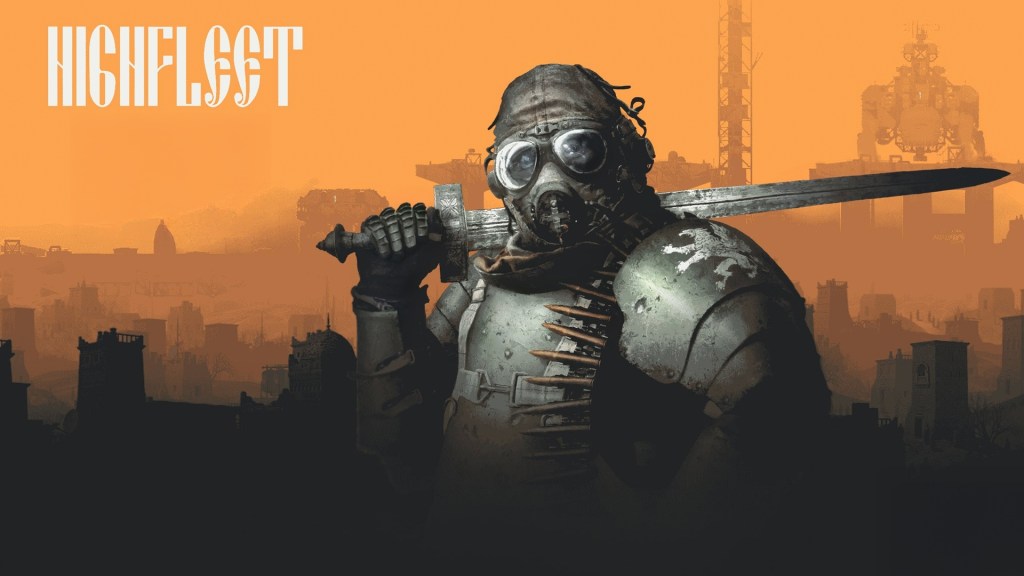
HighFleet by MicroProse is one of those games that immediately communicates its complexity the moment you take your first few steps. If your early experience feels like controlled chaos—or just chaos—don’t worry, that’s part of the charm. This guide is aimed at bridging the gap between floundering and flourishing by offering a structured breakdown of how to play smart, survive longer, and actually enjoy what makes this game a strategic masterpiece.
1. Map Movement and Route Strategy
Every decision in HighFleet counts, especially your movements on the overworld map. Don’t just wander—plan every jump, every stop. Each city offers something different: cheaper fuel, faster repairs, exclusive weapons, or even vital intelligence. If you’re being hunted, that doesn’t mean you should panic—just means you need to move smarter.
Fuel is non-negotiable. When you spot a city offering it cheaply, stock up. The same logic applies to repairs. Some cities are faster and more affordable—learn which is which. And remember: you don’t have to follow the main lines. Off-road travel often yields hidden cities, stricken ships, or forgotten resources. Just remember to use the ground radar for any detours.
2. Intelligence and Enemy Tracking
Enemy location knowledge is priceless. Target their comm stations—doing so earns you five comm points. These can be used to perform scans, costing between one and three points depending on range and detail. But be warned: the longer you linger, the higher your risk of detection.
Spotting a Haul ship? That’s a jackpot. Plan an ambush. If they’re unaware of your presence, the battle is yours to win—and the payout is worth it. But if you intercept messages indicating the enemy knows you’re nearby, expect heavier resistance. Intelligence is not just information—it’s leverage.
3. Fleet Composition and Attack Strategy
Keep your fleet varied. You’ll want heavily armored units with powerful weapons to soften up enemies, while nimble, lighter ships zip around and finish the job. Send units ahead to attack nearby cities while your main fleet heads elsewhere. This tactic confuses the enemy and spreads your influence faster.
After battle, prioritize collecting fuel from crash sites. Not only does this prevent explosions from wiping out other resources, but you also refuel while scavenging. Efficiency at its finest.
4. Decryption and Communications
Radio rooms let you unlock transmissions, which are sometimes game-changing. You don’t need a full code—just align pre-set words at the top of the paper puzzle interface and fiddle with the dials until shorter words start appearing. You only need one. It’s easier than it seems, so don’t ignore this mechanic.
Also, keep an eye out for Tar Cans. They’re often loaded with loot or rare ships.
5. Ship Upgrades and Custom Builds
Upgrading ships is as fun as it is costly. Always use your own salvaged parts first to save time and money. Consider how armor slows ships, reduces flight range, and messes with your thruster-to-weight ratio. Every addition is a trade-off. Missiles and bombs are powerful, but add weight—use them wisely.
The shipyard (outside of campaign mode) is your best friend. Build specialized ships tailored to your needs. Whether it’s a speedy scout or a flying tank, custom creations are yours to use in the campaign. Just remember: even masterpieces have weak spots.
6. Combat Tips: From Movement to Mayhem
Bombs are your best friend during a surprise city strike. Bomb them while grounded, follow up with missiles, and you’ll cripple even the strongest targets. But don’t get cocky—they’ll still fire back.
Watch enemy reload indicators and red targeting lines. Those arcs you see? That’s their missile tracking system. Movement should be strategic: use short bursts of your jet to dodge, not long burns. Watch your overheat bar—it shuts down your engines if maxed out.
Shift-boosting upwards is the fastest way to escape. Vertical movement trumps lateral speed. Rotating ships can be a mess due to input quirks, so test thoroughly before using them.
7. Missile Defense and Retreat Planning
Missiles will find you. Chaff helps but isn’t foolproof. High RPM weapons can shoot them down, and ideally, you should maneuver enemies between you and incoming missiles. Let them get hit instead. It’s surprisingly effective.
Always have a retreat route in mind. If the heat’s too much, get out. Retreating preserves morale. Losing morale (from retrying) means fighters might refuse to fight—even new ships. While possibly a bug, it’s safer to assume it’s game logic until confirmed otherwise.
8. Weapon Mastery and Loadouts
Each weapon in HighFleet is distinct. Find your rhythm. Use a powerful main gun on your left click, a support weapon on your right, and bombs/missiles as needed. Anti-air missiles (C key) are invaluable, especially during late-game fights. Customize your key bindings for comfort and explore different configurations until you find what fits your style.
9. Repairs, Refits, and Field Logistics
Repairs can only happen if your ship is landed. Make sure fuel tanks are mounted higher up to prevent explosion on impact. Build internal rigid structures at the bottom of your ship to absorb shock when landing.
Stockpile essential repair parts inside your ships—especially the main vessel. It may not increase weight now, but better safe than sorry. Likewise, store backup ammo, bombs, extinguishers, and chaff. If each small ship carries its own resupply, it can stay mobile longer and spread your reach across the map.
10. Avoiding Detection and Managing Radar
Never stay more than 24 hours in a city—48 hours max. If you do, enemy sentries will detect and alert fleets. Should this happen, disable radar immediately and head in the opposite direction. Use single-scan radar to avoid broadcasting your location. Avoid continuous scanning.
If missiles or planes do engage, fire anti-air or use rapid-fire weapons. Survive first, repair later. Radar alerts can be overly dramatic, so trust your judgment over system panic.
11. Communication Controls and Allies
Allies can be called upon for resources, information, or reinforcements—but at a cost. Stars represent your relationship. Use them wisely. When maxed at four stars, don’t hoard—ask for what you need. If you drop below one, that ally may abandon you.
12. Combat Weaknesses and Target Focus
Enemy ships have weak spots. Top and side armor tends to be strongest—target exposed or already damaged areas to bring ships down faster. Use your radar view to identify these sections mid-combat.
As a personal tip, I prefer armored bottoms and attack from above. It fits my tactics, but every battle is different. Experiment and adapt.
Final Thoughts
HighFleet doesn’t give up its secrets easily, but it rewards those who dig deep. There’s elegance in its systems and joy in its improvisational chaos. Whether you’re coordinating long-range ambushes, dodging missile salvos, or customizing your own elite ships, remember that learning is part of the experience.
Take your time. Make mistakes. And above all—keep flying.



 My Gaming Tutorials
Leave a comment