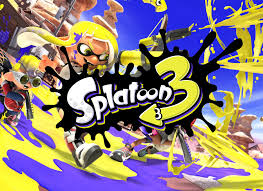
Welcome to the world of Splatoon 3, where fast-paced battles meet deep strategic nuance. Whether you’re a veteran from the early days or a fresh-faced newcomer to the Splatlands, figuring out your ideal playstyle is one of the most meaningful ways to elevate your experience. In this guide, we’ll break down the key roles in Splatoon 3, explore how different weapon types function within each, and offer tips on how to discover your personal fit.
What Are Weapon Roles?
In Splatoon 3, weapon roles aren’t rigid categories like in some other team-based games—they’re fluid, dependent on your approach, your weapon’s kit, and your team’s composition. Still, there are four major archetypes that define how most weapons function in team settings: Frontline, Backline, Support, and Midline. Each offers unique playstyles and responsibilities.
1. Frontline: Slayers and Skirmishers
Frontliners are the tip of the spear. They’re the players who take space, initiate fights, and apply pressure directly. Within the frontline category, there are two primary sub-roles:
- Skirmishers focus on poking and chipping at enemies from mid-range. Their job is to apply enough pressure to force responses without committing too deeply. Good examples include the Sloshing Machine, which has high poke but lacks close-quarters lethality.
- Slayers are aggressive, short-range specialists who dive deep to secure eliminations. Weapons like the Tri-Slosherand Splattershot exemplify this style—devastating up close but limited at range.
These sub-roles are often interchangeable mid-match. The best frontliners alternate between applying pressure and executing kills, depending on what the situation calls for.
Weapon Types: Sloshers, Blasters, Shooters, Dualies
Key Sub-Weapons & Specials: Bombs for openings, aggressive specials like Zipcaster or Trizooka
Play This Role If: You enjoy fast-paced, high-risk gameplay. You’re okay with taking fights, making space, and occasionally trading lives for momentum.
2. Backline: Anchors and Defensive Specialists
Backliners play the role of map control experts from a distance. These long-range weapons are designed to apply pressure and shut down lanes from afar. The anchor typically holds high ground and safe vantage points, making it difficult for opponents to move freely.
Backline weapons rely on spacing and vision more than mobility, and many of them are slow and vulnerable if caught out of position. However, in the right hands, they can completely dictate the pace of a match.
Weapon Types: Chargers (E-Liter, Splat Charger), Splatlings (Hydra, Ballpoint), Stringers (Tri-Stringer), and Explosher
Key Sub-Weapons & Specials: Mines, Beacons, and long-range specials like Killer Wail 5.1
Play This Role If: You prefer a methodical, calculated playstyle. You like holding angles, applying consistent pressure, and controlling the pace of the match from a safe distance.
3. Support: The Strategic Enabler
Support players don’t shine through kill counts, but through impact. This role revolves around paint control, survivability, and enabling the rest of your team through area coverage and utility.
Supports typically wield high-paint weapons with good ink efficiency and are often just behind the frontlines. They maintain map control, feed their team specials, and help win teamfights through chip damage and traps.
Weapon Types: Splattershot Jr., Nzap, H-3 Nozzlenose, Dynamo Roller
Key Sub-Weapons & Specials: Suction bombs, Burst bombs, supportive specials like Tacticooler, Wave Breaker, or Ink Storm
Play This Role If: You want to contribute meaningfully without always being on the frontlines. You’re attentive, team-focused, and enjoy maximizing efficiency and map awareness.
4. Midline: The Hybrid Zone
Midliners blur the lines between support and slayer. These weapons have decent kill power and range, but their true strength lies in enabling space through pressure, zoning, and disruption.
Unlike backliners, midliners are mobile. Unlike frontliners, they’re cautious and controlled. Think of them as glue that fills gaps and adapts to what the team needs in a given moment.
Examples include the Tenebrella, which uses its shield for team coverage and its powerful one-shot for area denial, or the Rapid Blaster, which applies steady chip damage from a moderate distance.
Weapon Types: Brellas, Mid-Range Blasters, Bloblobber
Key Sub-Weapons & Specials: Trapping tools like Ink Mine, multi-role specials like Booyah Bomb or Tenta Missiles
Play This Role If: You enjoy being flexible. You want to support without sacrificing pressure, and you have a good sense of where and when to apply it.
Bonus Insight: Weapons That Cover Multiple Roles
One of the unique aspects of Splatoon is that many weapons defy strict classification. Take the Kensa Splattershot from Splatoon 2: a solid slayer with supportive utility. It has great kill time, respectable paint, a bomb for poking, and a versatile special. It could function as a support or slayer depending on what the team needs.
Other hybrid examples include:
- Bloblobber: Offers strong paint and range, and can support or zone.
- Squeezer: A precision shooter that can pressure or control.
These multi-role weapons offer adaptability but require mastery of several playstyles. They’re harder to master, but exceptionally rewarding when wielded well.
How to Find Your Role (Even If You’re Not Sure Yet)
Start with one question: What do you enjoy most—fragging, supporting, zoning, or painting? That answer gives you direction.
But don’t lock yourself in. The game has evolved far beyond the original shooter/roller/charger triangle from Splatoon 1. There are now dozens of unique weapon classes and kits, many of which bend or break traditional roles.
Try everything. Seriously—give every weapon at least a brief test. Not only will it help you discover what clicks with you, but it will also build your understanding of the game. You’ll learn each weapon’s limitations, range, and how to counter it.
Be open to change. Your preferred role might evolve. A weapon that didn’t resonate before might become your favorite. The only way to know is to keep experimenting.
Final Thoughts
Your weapon role in Splatoon 3 is more than just your loadout—it’s how you see and engage with the game. Whether you’re diving headfirst into fights, watching over the battlefield from a perch, supporting your teammates with bombs and specials, or dancing between those roles in a hybrid playstyle—there’s a role for every kind of player.
Explore. Learn. Adapt. And most importantly—have fun.
Good luck out there, and see you on the battlefield!

 My Gaming Tutorials
Leave a comment