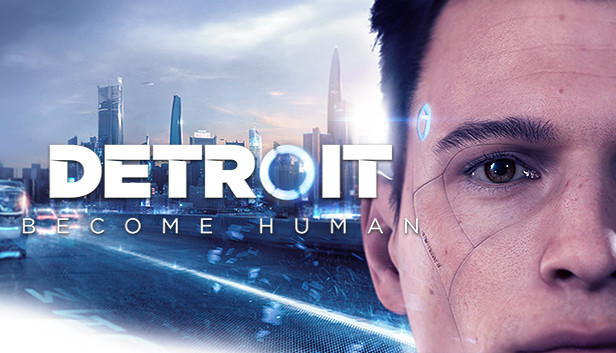
Welcome to the Detroit Experience — an interactive narrative adventure unlike any other. Quantic Dream has steadily built its reputation on emotionally charged, cinematic storytelling, from Fahrenheit to Heavy Rain to Beyond: Two Souls. But Detroit: Become Human is their most ambitious and polished effort yet. It refines the formula in all the right places — fewer clunky quick-time events, heightened narrative tension, and genuinely impactful performances — to deliver a gripping journey that adapts to your decisions in deep and often unexpected ways.
This spoiler-free guide is meant to prepare you for your first venture into the world of Detroit, equipping you with practical advice while preserving the soul of discovery the game was built around. You’ll find no storyline revelations here — just insights that will help you make the most of your time in a city shaped by androids, choices, and consequence.
The Flowchart: Your Secret Weapon
One of Detroit’s most powerful innovations is the flowchart system. Accessible at any time during your playthrough, it maps out the narrative branches you’ve taken and reveals which decisions caused which outcomes. Rather than the standard “your choices matter” rhetoric, Detroit shows you exactly how they matter.
Don’t worry — it doesn’t rob the story of its mystery. You’ll still need to experiment, explore, and uncover the hidden paths that lie within. But it gives transparency to the structure, and validates your decisions in a satisfying way. Yes, your actions can and will lead to characters dying long before the story’s end. Sometimes far earlier than you’d expect. That alone should tell you how serious your decisions are.
Always Be Exploring
Whenever you have a quiet moment, use it. The game rewards curiosity. Looking through drawers, checking bags, or just observing the environment with the L1 button can often open up new interaction options. These seemingly minor details might become critical when tension spikes and decisions need to be made fast.
Exploration isn’t just about item discovery either. Many dialogue options or story beats can only be accessed if you’ve already gathered certain bits of information. But beware — even helpful actions may not lead to the outcome you desire. That’s the beauty and the burden of branching narratives.
There’s No Such Thing as a Small Choice
Tasks that seem optional or trivial may pay off in unforeseen ways later on. Something that appears completely irrelevant in the moment might echo back hours later in the form of a new opportunity — or a crisis averted.
Pay close attention to your surroundings and especially to the reading materials scattered throughout the game world. These in-universe magazines and news articles offer more than just background flavor. They subtly foreshadow events, develop the world’s ethics and politics, and sometimes provide essential knowledge for solving problems down the line. And no, the game doesn’t always notify you when you’ve read something important. You just have to trust your instincts and keep your eyes open.
Keep Cool Under Pressure
Detroit doesn’t just challenge your ethics and empathy — it tests your reflexes and resolve. Many sequences are time-sensitive, throwing you into stressful environments with multiple objectives. In those moments, decisiveness is key.
R2 is your tactical best friend. It works like a contextual awareness mode, highlighting interactive objects, paths, and targets. While it may clutter your screen with unnecessary markers (especially if you’ve already read certain items), it’s invaluable for quickly getting your bearings when time is short. Use it wisely, but don’t rely on it exclusively — not everything worth finding will be highlighted.
Embrace the Replayability
You simply won’t see everything in a single playthrough — and that’s by design. Your first run should be pure. Follow your gut, make decisions as you feel them, and accept the consequences.
But once you’ve seen how far the branching goes, don’t hesitate to replay and explore different choices. The chapter select feature allows you to revisit any section and change the course of events from that point onward. You can treat it like a clean slate, or simply tweak a few key decisions. Just remember: your first run is unique, and letting your initial path unfold naturally is often the most rewarding way to experience the game.
Quantic Dream has gone on record saying every major question has an answer, and every major character can reach some form of closure — but not all of it will be available to you unless you dig deep and explore multiple angles.
Play Each Character as Themselves
You control three protagonists in Detroit, each with their own arcs, challenges, and moral frameworks. Don’t be afraid to treat them differently.
It can be tempting to assign them clear moral alignments — good, bad, rebellious, obedient — and stick to them rigidly. But allow yourself to change. Just like real people, these characters evolve. You might discover that a character you wanted to play one way suddenly makes a decision that shifts your entire view of them. Let it happen.
Some of the most powerful moments come from those internal transformations — the subtle ways your interpretation of the character bends and deepens over time. The game supports this. Lean into it.
It’s Okay to Regret. It’s Also Okay to Restart.
If you make a choice that immediately feels wrong, or one that doesn’t align with how you’ve come to understand your character, you can always exit to the main menu and replay the chapter. You won’t be punished.
Quantic Dream recommends experiencing the story naturally first, and only using chapter select later for alternative outcomes. That’s solid advice. But at the end of the day, this is your story. Play it your way.
There were moments we decided to stick with gut decisions and live with the fallout. Others we rewound because the outcome no longer felt true to the arc we’d developed. Neither approach is wrong. There’s only your version of Detroit.
Final Thoughts
The world of Detroit: Become Human is one of the most nuanced, richly imagined dystopias in gaming. It’s a place where your choices don’t just matter — they ripple. They echo. They define the lives of characters who feel astonishingly real.
There’s no perfect way to play. No optimal ending. No checklist that will make the game “complete.” There’s only the version of the story you discover, build, and remember.
So whether you play with ruthless efficiency or quiet introspection, let your curiosity guide you. Be brave. Be reflective. And above all — enjoy the ride.
Now… welcome to the Detroit experience.



 My Gaming Tutorials
Leave a comment