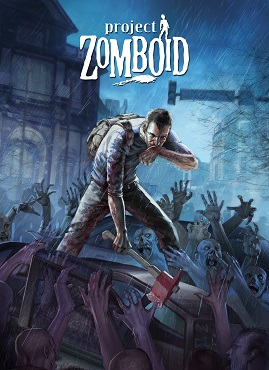
Building your own base from scratch in Project Zomboid is one of the most rewarding experiences the game has to offer. The freedom to design and decorate your stronghold is unmatched—but that same freedom comes with a long list of hidden pitfalls. This guide is here to walk you through the most important aspects of base building, helping you avoid the biggest traps while still enjoying the creative side of the apocalypse.
The Illusion of Safety: Why Base Building is a Trap
The base building system in Project Zomboid is incredibly deep. You can build everything from floors and walls to doors and window frames, and even go scavenging for real windows to install in your custom frames. Add in tile, cabinets, decorations, and furniture—your personal safe haven can quickly become a dream home. You can even plaster and paint the walls to personalize it further. But here’s the catch: that base can be torn to the ground without warning.
Many players have spent countless hours perfecting every tiny detail of their base only to have it destroyed in minutes. Rare loot, containers, and unique furniture—gone. It’s easy to blame yourself, but it’s not always your fault. While some argue zombies only attack if they hear or see you, the truth is more nuanced.
Shop now and enjoy up to 50% off your favorite gaming gear at Amazon!

Meta Events and Hidden Zombie Mechanics
The game includes a system called Meta Events, which randomly creates loud noises around the world to mimic distant events. These sounds draw zombie groups from afar, causing them to pathfind toward the noise—and if your base is in their path, it becomes a casualty. Even if you’ve done everything right, built in a remote field, and made no noise, a random event can still send a horde straight through your walls.
Zombies will attack anything that interferes with their pathfinding, including barricades, windows, doors, furniture, and anything the player has built or moved. Once they start breaking things, they don’t stop until there’s nothing left.
To reduce this, some players recommend turning off Meta Events. This stops the random horde behavior while still leaving your base vulnerable to zombies you personally lead back. This compromise is often considered the best balance.
Corpse Sickness and Structural Hazards
Even if you’re a zombie-slaying machine, you’ll face other problems. One major issue is corpse sickness. Unlike pre-built structures, player-built buildings don’t block the sickness generated by dead bodies. You can leave your base and let the bodies decay, or you can build a perimeter wall far enough from your main structure to avoid the stench. Both take time, and even then, rebuilding will eventually be necessary.
You can disable corpse sickness or use mods that allow protective gear like masks to help, which is highly recommended if you’re dealing with mass graves outside your base.
Storage Fire Risks and Griefing in Multiplayer
Here’s another unpleasant surprise: items stored inside containers can burn, but items lying loose on the floor cannot. That means the messier storage method is actually safer in the event of a fire. Bags left on the floor do not burn either, giving you a slightly more organized but still fire-safe solution.
On multiplayer servers, fire becomes a serious threat. A determined griefer can lure burning zombies into your base, destroying everything. Built or moved containers are destructible, and once destroyed, the contents can be looted—even in protected safehouses. If you’re going to store items, consider doing so on a second floor where zombies are less likely to wander unless a player is present.
Furniture Placement, Bugs, and Pathfinding
Furniture barricades can also cause issues. If there’s a nearby path around them, zombies will ignore the furniture. But if no path exists, they will destroy it—even if a nearby door or window would suffice. This is similar to how zombies treat pre-built houses: they prefer obvious entry points and ignore furniture inside.
Pre-built houses, then, have huge advantages. Not only do they cut down on bugs like miscounted walls or broken room recognition, but they also funnel zombies through predictable entry points. Building from scratch, on the other hand, can lead to unpredictable zombie behavior, bugged wall segments, and broken defensive logic.
Think carefully about where you place your containers and furniture. Avoid putting anything in areas zombies might randomly pass through. Use unattackable items like composters and staircases creatively to guide zombie pathing.
Planning for Generator Placement and Sound
Generators are another common pitfall. If placed too close to your walls, they can act like zombie magnets due to the noise they produce. Placing them farther away allows the zombies to gather safely at a distance, making cleanup easier while protecting your walls. Proper placement also helps with meta-event aggro, since zombies drawn to the sound won’t tear through your structure to reach it.
Zombie Migration and Long-Term Planning
Understanding zombie movement is crucial to base survival. Each map cell is a large area that manages population via two mechanics: rally group dispersion and migration ticks. Rally groups slowly spread zombies around over time, while migration ticks rebalance populations based on where zombies have been killed.
If you mainly fight zombies to the east of your base, zombies from the west side of the cell will migrate eastward over time—right through your yard. Building in the middle of a cell often results in constant zombie traffic. Instead, consider placing your base at the edge or in a corner of a cell to prevent random migration through your safe zone.
Also, avoid large fence lines. Zombies will walk around a wall in search of an opening, and this can lead to endless zombie trains hitting the same weak spot over and over.
The Importance of Nearby Resources
Last but not least, think about sustainability. Rain collectors are great, but if you’re looking to be truly self-sufficient, build near a body of water. Fishing is one of the most time-efficient ways to gather food, and it’s a game-changer if you’re planning long-term survival.
Building too far away from essential loot sources will force you into dangerous scavenging runs. If you don’t have reliable transportation, those long trips become even riskier. Stay within walking distance of vital resources until your base and mobility are fully established.
Final Thoughts
Base building in Project Zomboid is an art form, a labor of love, and a dangerous gamble. But with the right knowledge, planning, and a little bit of paranoia, it can become the ultimate refuge in a world overrun by the undead. Whether you’re building a wooden shack in the woods or customizing every tile of a city safehouse, remember: nothing is ever completely safe. But you can get close.
So go ahead—plaster those walls, hang those curtains, and stack those cabinets high with loot. Just don’t say you weren’t warned when the horde comes knocking.
Stay safe out there.



 My Gaming Tutorials
Leave a comment