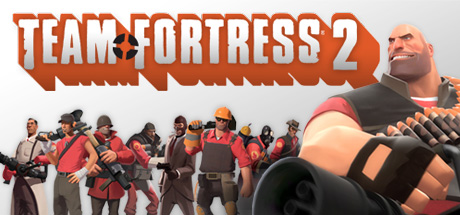
So you’ve just discovered Team Fortress 2—or maybe you gave it a try once before, and now you’re diving back in during what many are calling a golden age for the game. With over 16,000 bots recently banned and Valve teasing long-awaited updates like Comic #7, the timing couldn’t be better. But once you boot it up and head into casual, where should you go from there? This guide digs deep into the advanced mechanics that separate the rookies from the real contributors. While new players are the focus here, even intermediate players might find a few things worth refining.
Understanding Damage: Ramp-up, Falloff, and the Power of Range
First things first: most weapons in Team Fortress 2 suffer from damage falloff. This means the further your target is, the less damage you’ll deal. If you’ve been spraying your SMG or minigun across the map, stop—you’re not doing much. TF2 encourages close-range engagements for most classes. Not only does distance reduce your output, but damage ramp-up rewards you for being close, sometimes letting you do more than the weapon’s listed base damage. Weapons like the rocket launcher, scattergun, and sticky bombs thrive on close quarters.
There are exceptions: sniper rifles, Engineer sentries, Demoman’s grenade launchers, and even the Medic’s Crusader’s Crossbow ignore distance penalties—some even perform better at range. Certain weapons, like the Crit-a-Cola or Frontier Justice, grant guaranteed critical hits under specific conditions. These hits ignore falloff entirely and deal triple damage. Even mini-crits—a smaller boost provided by things like the Buff Banner or Jarate—bypass falloff and increase damage slightly.
Shop now on Amazon!
Save up to 50% on top Gaming Gear:
Gaming Headset
Gaming Mice
Mechanical Keyboards
Game Controllers
Gaming Chair
The Truth About Random Crits
Love them or hate them, random crits are still a thing in Valve servers. These are sudden boosts where a standard attack becomes a full crit—triple damage, full impact. They’re controversial for a reason. While labeled as “random,” the truth is your chances of scoring a crit rise as you deal more damage over time. This system tends to reward already successful players while punishing beginners—being one-shotted by a glowing red rocket when you’re still learning is never fun.
If you’re unsure whether you died to a random crit, look for the colored glow and listen for the distinct sound it makes. Melee weapons have a significantly higher chance of random crits than guns, so avoid melee brawls unless you’re sure of what you’re doing.
Headshots: Not as Universal as You Think
Most modern shooters reward headshots universally. Not TF2. Here, headshots are reserved for specific weapons—Sniper rifles and Spy’s Ambassador revolver being the main ones. For Sniper, a charged scope shot can kill almost any class outright. Spy’s Ambassador also allows for headshots, though it has damage falloff, even on crits—making it a bit less lethal than it sounds.
For other weapons—shotguns, pistols, rocket launchers—aiming at the head is pointless. In fact, it’s worse. For weapons like shotguns, aiming for center mass increases your hit rate because you land more pellets. Understanding where to aim based on your weapon is a critical mechanical skill.
Crosshair Placement by Class
In TF2, crosshair placement isn’t about headshots unless you’re Sniper or using the Ambassador. Instead, it’s about optimizing your accuracy based on projectile type and weapon function:
- Soldier: Aim at the enemy’s feet to maximize splash damage.
- Demo: Aim slightly above head level to compensate for arc-based grenades.
- Shotgun Users (e.g., Pyro, Engineer): Center mass for maximum pellet hits.
- Medic: Track awareness is more important than aim—medigun will auto-lock once connected.
Random Bullet Spread and Why It Matters
Valve servers include random bullet spread, which makes weapons like shotguns unpredictable. On most community or competitive servers, this is turned off, giving players consistent pellet patterns. While some weapons like the Panic Attack fire consistently even with random spread on, most others suffer from inconsistency. For aspiring competitive players, getting used to servers with spread off is a smart move.
Instant Kill Mechanics and the Ones to Watch
TF2 generally has a slow time-to-kill, but there are exceptions:
- Sniper: A fully charged headshot will kill any class.
- Demoman: Properly set sticky traps (3–4 stickies) can one-shot anyone except a fully buffed Heavy.
- Spy: Backstabs are an instant kill.
And Spy isn’t just about sneaking up behind someone. Skilled players will use trickstabs—corner stabs, stair stabs, Matadors—to manipulate your movement and land a fatal blow. Unless you know how to counter them, just keep your distance. And never, ever chase a Spy with melee.
Damage Surfing and Mobility Tricks
TF2’s damage physics can be used to your advantage. Damage surfing lets you use enemy fire or your own explosives to propel yourself. This is how Soldiers rocket jump, Demos sticky jump, and Spies sometimes do acrobatic trickstabs. Even Engineers can use Sentry knockback to bomb themselves into fights. While hard to learn at first, it’s worth practicing.
Want to improve fast? Learn to rocket or sticky jump—even if you don’t main those classes. These movements teach you the engine’s physics and elevate your map awareness and positioning.
Medic Mechanics and Why They Matter
Medic is one of the most impactful roles in TF2. First, there’s overheal—Medics can boost teammates’ health by 50%, which then decays over 15 seconds. Before a round starts, a single competent Medic can raise the effective health of their team significantly, often tipping early fights.
Then comes Ubercharge—once it hits 100%, you and your heal target become invincible for 8 seconds. This ability can make or break a push. But Uber has subtleties: flashing other teammates will spread the invincibility but reduce the Uber’s overall duration. Use this wisely.
There’s more: TF2 has crit heals—if a teammate hasn’t taken damage for 10 seconds, they heal 3x faster. This applies to both normal healing and overheal. Prioritize healing respawned teammates at the start of a push to maximize this.
Underrated Medic Tools: The Crusader’s Crossbow
The Crossbow is a deceptively strong tool. It does more healing the further your target is, with shots healing up to 150 HP. The best part? You don’t need to reload it manually. Like sniper rifles and Pyro’s Flare Gun, it reloads while holstered. Shoot, switch back to the medigun, and let the bolt reload itself.
Hidden Stats and Odd Mechanics You Should Know
There are plenty of quirks the game won’t tell you upfront:
- Healing a Scout increases Medic’s movement speed to match.
- Rockets, grenades, and stickies come from the right side of your screen (except with the Original rocket launcher, which fires from center).
- Pyro’s airblast can cancel enemy Uber pushes, knock enemies into bad positions, or save teammates from flames.
- Scattergun has 175% ramp-up at point-blank—more than any shotgun.
- Medic charges Uber faster on injured or not fully overhealed targets, and slower when healing fully buffed players or sharing with another Medic.
Some weapons, like Soldier’s Gunboats, reduce self-damage, but only when hitting yourself—not enemies at the same time. So rocket jumping with splash on enemies will still hurt.
Navigating Unlocks: Stick With Stock… Mostly
TF2’s unlocks are vast and can be intimidating. If you’re unsure what to equip, remember the golden rule: when in doubt, stick with stock. Default primaries and secondaries are generally well-balanced and competitive.
The exception? Melee weapons. Most default melees are underwhelming. Spy’s knife and Demoman’s bottle are solid, but for others, unlocks offer better utility. Soldier’s Market Gardener can land flashy crits mid-air, while the Disciplinary Action boosts team speed. Don’t ignore melee—you’ll find useful tricks hidden there.
Final Words
Team Fortress 2 is deep, chaotic, and often overwhelming. But mastering its quirks is half the fun. Start slow, pick up movement skills, learn what each weapon does—and be aware of when you’re being trickstabbed or randomly critted. With Valve showing signs of life and a new generation of players jumping in, now’s a better time than ever to truly understand what makes TF2 one of the most enduring shooters of all time. Stick with it, and you won’t just survive—you’ll thrive.



 My Gaming Tutorials
Leave a comment