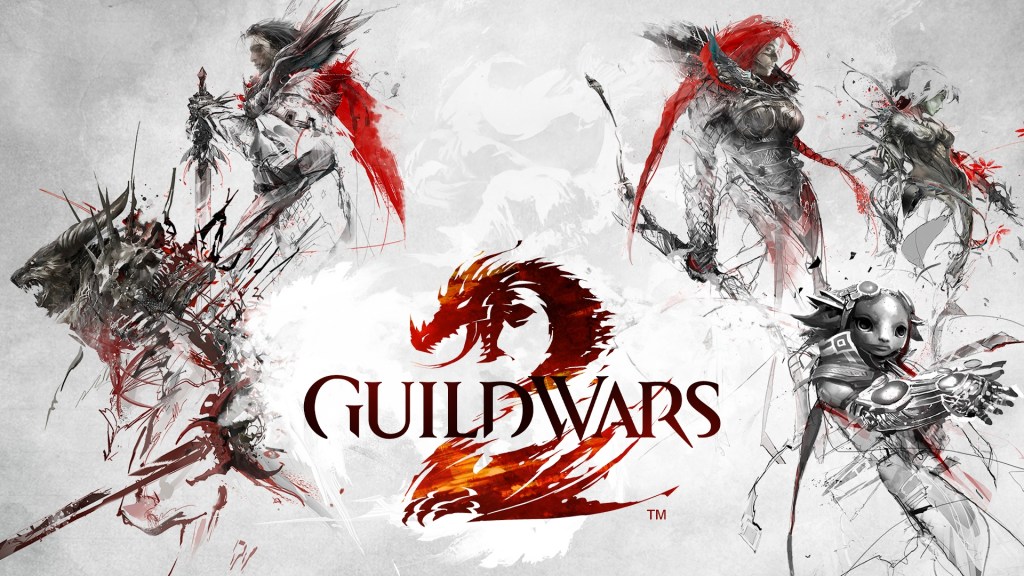
Raiding in Guild Wars 2 might seem like the spooky final frontier, reserved only for elite veterans whispering in Discord at 4 a.m. while slaying demonic bosses. But the truth is far less intimidating. Once you push past the initial confusion—terms, roles, gear, LFG chaos—raids reveal themselves as one of the most fun, social, and rewarding activities in the game. This guide is here to help you step into raiding with confidence, guiding you through preparation, roles, builds, and how to find that first friendly group.
Why Raid at All? (And Why You Should Care)
Before we dive into the how, let’s talk about the why. There are three primary reasons to raid: fun, goals, and gear. And they’re more valuable than you might think.
Fun: Raiding is a social activity at its core. Few things in Guild Wars 2 match the thrill of working together with others to take down tough bosses. There’s challenge, coordination, and often, genuine laughter. Many players build lasting friendships through raiding—and sitting in a Discord call as your group figures things out together creates moments you won’t forget.
Gold: Raids are one of the best gold-per-hour options in the game—especially once you get good. A full clear can easily earn you over 100 gold in just a few hours, particularly if you tackle challenge modes. Between direct gold rewards, loot, and rare drops, you’ll find yourself progressing toward those expensive legendaries a lot faster.
Gear: Raids throw ascended gear at you, and are the key to unlocking legendary armor. This gear is account-bound, stat-swappable, free to transmute, and useable across classes. It’s endgame fashion and functionality in one.
Shop now on Amazon!
Save up to 50% on top Gaming Gear:
Gaming Headset
Gaming Mice
Mechanical Keyboards
Game Controllers
Gaming Chair
Understanding the Raiding Landscape
There are seven raid wings in the game—four from Heart of Thorns and three from Path of Fire. Unlike many MMOs, all raid wings in Guild Wars 2 remain relevant because there’s no level or gear inflation. They’re still actively run, still offer great rewards, and still pose a challenge.
- Heart of Thorns (Wings 1–4): These are generally easier and the best place to start. Wings 1 and 4 are especially beginner-friendly.
- Path of Fire (Wings 5–7): Slightly harder, with more complex mechanics, but very rewarding for those who enjoy a challenge.
Start with Wings 1 and 4, learn the flow, and build confidence before branching into more demanding content.
Choosing Your Role: The Basics and Beyond
Forget the standard MMO trinity of tank, healer, DPS—Guild Wars 2 plays by its own rules. Here’s a quick breakdown:
Healer: Provides area-of-effect healing and boon support, usually contributing either quickness or alacrity to their subgroup. This is a high-responsibility role, as failing to heal or boon properly often leads to wipes. But for some players, that responsibility is empowering—your team’s survival is literally in your hands.
DPS: Straightforward. Press your buttons fast, in a smart order, and melt the boss. Glass cannon builds are standard since you’ll have a healer to keep you alive. Want to play safe? Speed matters more than complexity. Just hit buttons quickly and frequently.
Boon DPS: These are DPS players who bring utility by covering the boon not handled by the healer. Each subgroup in a raid (5 players) needs both quickness and alacrity, and this role ensures full boon uptime without sacrificing too much DPS.
Tank: Unlike traditional MMOs, aggro in raids is often assigned based on toughness or boss mechanics. The healer often tanks by default because they can self-sustain and slot survivability. Tanking is less about taunting and more about movement and positioning.
Which role to choose? DPS is often best for beginners: it’s low responsibility, easy to gear, and forgiving. But don’t be afraid to play what sounds fun—even support roles are approachable if you’re motivated.
Building Your Character: Finding and Understanding Builds
Guild Wars 2 offers vast freedom in how you build your character—sometimes overwhelming, especially when you’re new. Start with builds from trusted sources like:
- snowcrows.com – High-end PvE builds, including easy-mode variants.
- hardstuck.gg – Includes rotations, beginner guidance, and simplified builds.
Each build page usually comes with:
- Skill and trait setup
- Gear recommendations
- A written or video rotation guide
If you see a massive list of steps and feel overwhelmed—don’t panic. You don’t need to execute a perfect 40-step rotation to contribute. Watch a video, get the rough flow, and aim for consistent uptime. Easy builds still dish out plenty of damage.
Want to make your own build? You can, but it’s hard to match the efficiency of established builds unless you’ve mastered the game’s mechanics. A good strategy is to start with an established build and tweak it to your playstyle.
Getting the Right Gear
You don’t need perfect gear to raid. Unlike Fractals, there’s no Agony Resistance to worry about. Exotic gear is totally fine to get started. It’s cheap and accessible via the Trading Post.
Recommended stat types:
- Berserker (Power DPS)
- Viper (Condition DPS)
- Harrier (Healers)
That said, ascended weapons and trinkets offer a noticeable performance boost and are worth pursuing early. You can craft them, buy them with raid/fractal/strike currencies, or get them through open-world collections.
For easy trinkets:
- Use Laurels (especially for Berserker gear)
- Farm Living World Season 3 maps (like Bitterfrost Frontier) for map currencies and gear vendors
- Complete The Hunger collection in Bjora Marches for cheap ascended amulets
Don’t worry about ascended armor—it’s a minor upgrade compared to trinkets and weapons.
Learning to Play Your Build
Knowing your build is half the battle. Read both Snowcrows and Hardstuck guides to get the full picture. Practice in open-world or training golems. Healing guides will tell you what skill combos to use when; DPS guides often come with rotations, which are sample button sequences.
Again—don’t stress perfection. These guides are blueprints, not commandments. Mastery comes with experience. And for beginner builds, simply pressing your weapon and mech skills on cooldown can already push you into the 30k DPS range.
Finding a Raid Group
You’ve got a build, you’ve got gear, now you need a team. There are multiple ways to get into your first raid:
Training Groups: These are beginner-friendly runs where either everyone is new or there’s a mentor explaining things. Some guilds host weekly sessions, while communities like Raid Training Initiative and Raid Academy focus exclusively on learning environments. Streamers also host on-stream raids that are open to viewers.
Start Your Own Group: If you know even a few people in-game, you can rally a group from your guild or friend list. Open world chat recruitment works too. This was how many veteran raiders began.
LFG Tool: The Looking For Group menu is a mixed bag. Use the Training tab—not the Experienced one—for your first runs. The Experienced tab often expects kill proofs and doesn’t offer much in the way of explanation. Training groups fill fast, so keep checking back.
Strike Missions: These are excellent stepping stones. Standalone bosses, easier than full raids, and much more welcoming to new players. Avoid CM (Challenge Mode) strike groups, as they’re harder than regular raids.
Closing Advice: Be Patient, Be Curious, Be Kind
The Guild Wars 2 raiding scene can feel intimidating at first. The terminology, the expectations, the LFG toxicity—it can be a lot. But for every gatekeeper, there are ten players ready to welcome and teach you.
Stick with it. Ask questions. Use the guides. Watch videos. Try builds. And remember: it’s okay to fail. You’re learning, and no one starts as an expert. In time, you’ll not only be raiding—you’ll be leading.
Happy raiding!


 My Gaming Tutorials
Leave a comment